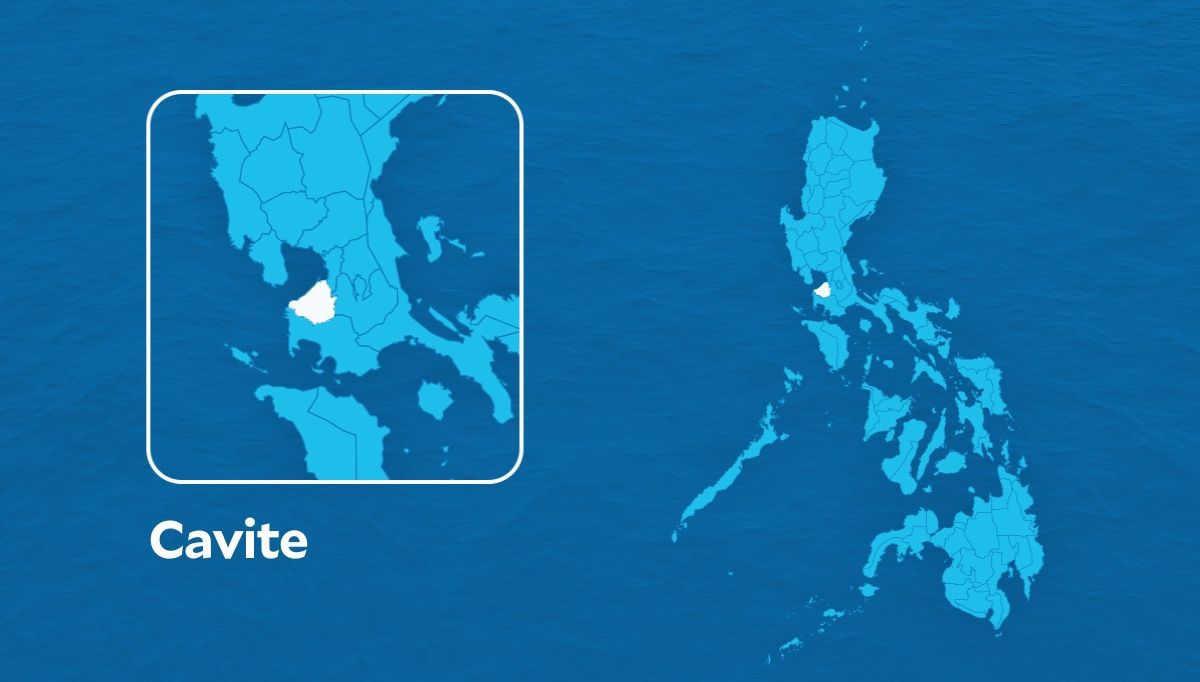
A potential mass shooting at a secondary school in the Philippines has been averted through coordinated action between vigilant educators and police authorities in Cavite province. The Cavite Police Provincial Office confirmed on Tuesday, June 30, that officers successfully recovered an unregistered, improvised firearm after school officials at General Mariano Alvarez Technical High School alerted them to menacing information about an alleged plot by a student to stage a shooting at the institution.
The discovery came after a teacher at the school discovered concerning online messages in which a Grade 10 student allegedly outlined plans to commit the act on July 2. The school administration immediately escalated the matter to law enforcement, initiating a coordinated response that would ultimately prevent what could have been a tragic incident. The swift action demonstrates the critical importance of communication channels between educational institutions and security authorities in identifying threats before they materialise.
Police officers acted with urgency on the intelligence provided by school officials, verifying the information and engaging with the student's family as well as local barangay authorities. This multi-agency approach, involving municipal government officials alongside provincial police, contributed to the effective containment of the situation. The recovered firearm, though improvised and unregistered, represented a genuine and actionable threat that required immediate intervention to ensure student safety.
The student involved, whose identity has been withheld due to their minor status, has been handed over to the Municipal Social Welfare and Development Office for processing under the country's Juvenile Justice and Welfare Act. This framework prioritises rehabilitation and intervention for young offenders rather than purely punitive measures, reflecting Philippine law's recognition that adolescents involved in criminal behaviour require specialised treatment and support. The case remains under active investigation as authorities determine the appropriate charges to be filed in accordance with existing legislation.
General Mariano Alvarez Technical High School issued a statement on June 28 confirming receipt of the concerning information and its immediate coordination with law enforcement partners. While the institution did not disclose comprehensive details of the threat in its public communication, the transparency about having identified and reported the situation helped reassure the school community that protective measures were being actively pursued. School administrators' decision to prioritise early reporting over attempting to manage the crisis internally proved instrumental in preventing potential loss of life.
The incident underscores a growing concern in Southeast Asia regarding school safety and the emergence of online platforms as channels through which young people may articulate violent intentions. The Philippines, like several neighbouring countries, has experienced isolated incidents of violence affecting educational institutions, making the robust response demonstrated by Cavite authorities particularly significant. This case illustrates how threats originating in digital spaces can be effectively intercepted when institutional awareness and law enforcement capabilities are properly aligned.
Authorities have emphasised that the prevention of this incident hinged upon the proactive vigilance of school staff members willing to report suspicious communications, family cooperation, and the rapid mobilisation of police resources. The Cavite Police Provincial Office publicly commended school officials for their swift action and their commitment to student protection. This recognition serves an important function in encouraging similar vigilance across other educational institutions throughout the province and beyond, demonstrating that reporting suspicious behaviour yields concrete protective outcomes.
Police have also appealed to the broader public to immediately report any credible threats to schools or educational facilities while simultaneously urging restraint in spreading unverified information or disclosing the identities of minors involved in criminal investigations. This dual message reflects the complex balance required in modern crisis response: maintaining transparency and public awareness while protecting vulnerable individuals, particularly children, from additional harm or social stigma arising from premature or inaccurate public disclosure.
The successful prevention of this potential tragedy carries implications extending beyond the immediate school community to the broader discourse on youth violence, online safety, and institutional preparedness in the Philippines. As digital communication becomes increasingly central to adolescent social life, the capacity of educators and authorities to interpret warning signs and respond appropriately gains greater importance. The Cavite operation demonstrates that when schools, families, and law enforcement maintain open communication channels and respond to credible intelligence with sufficient urgency, tragic outcomes can be prevented, potentially saving numerous lives and protecting community wellbeing.

