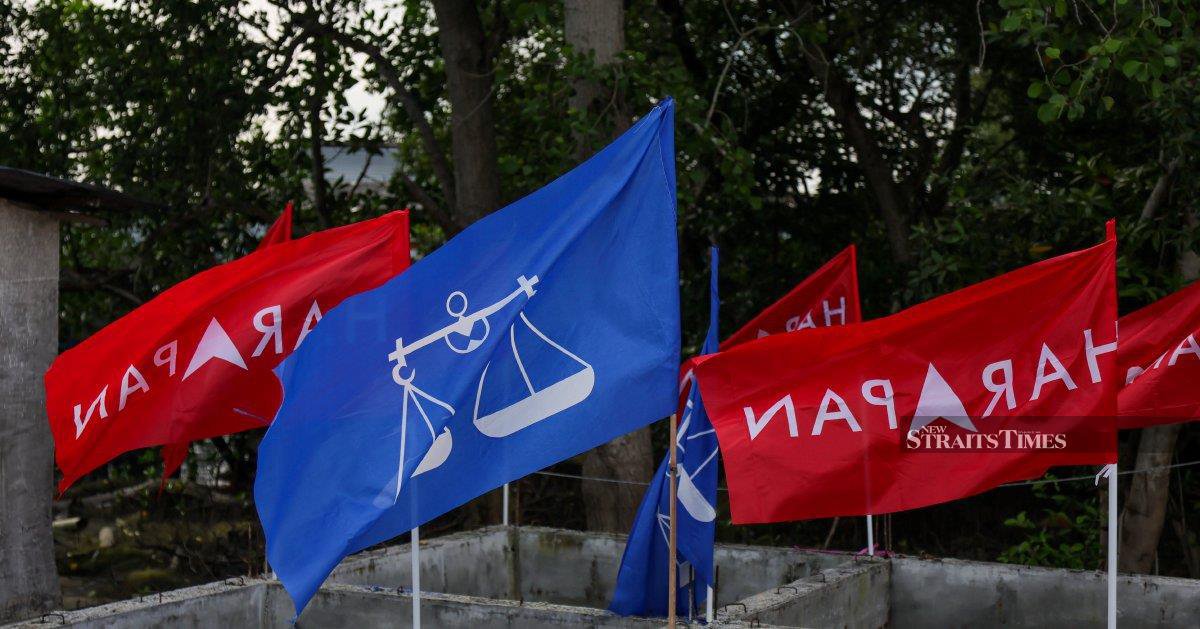
Malaysia's fractious governing coalition faces fresh internal strain as the Pakatan Harapan youth wing has escalated its criticism of Barisan Nasional, demanding the wholesale departure of BN ministers and deputy ministers from the federal cabinet. The confrontation stems from allegations that BN has violated the foundational principles of the unity government established in 2023 by openly partnering with Perikatan Nasional in recent state-level electoral contests, specifically in Johor and Negri Sembilan.
The move represents a significant hardening of rhetoric within Malaysia's ruling bloc and underscores the fragile equilibrium that has characterised the unity government since its formation. The Pakatan Harapan youth coalition's intervention signals growing frustration within the senior opposition-turned-ruling coalition over what it perceives as BN's calculated political positioning. Rather than maintaining solidarity within the grand coalition framework, the accusation implies that BN has pursued tactical advantages by aligning with the Islamist-leaning Perikatan Nasional at the state level, thereby weakening the unity government's coherence and electoral fortunes.
The tension reflects deeper ideological and strategic divisions within Malaysia's political landscape. Barisan Nasional, traditionally the dominant coalition for decades before its 2018 electoral loss, has navigated a delicate balancing act since joining the unity government. The coalition must maintain relevance to its core constituencies while remaining part of a federal arrangement that includes rival Pakatan Harapan and the Malaysian Chinese Association component. The alleged cooperation with Perikatan Nasional suggests BN leadership believes electoral partnerships at the state level offer paths to recapture power in key states without necessarily destabilising the federal arrangement.
For Pakatan Harapan's youth wing, however, such cooperation represents something more damaging: a betrayal of the unity government's foundational compact. Since 2023, the arrangement has been presented as necessary for democratic stability and preventing what PH characterises as an Islamist takeover. By cooperating with Perikatan Nasional—a coalition dominated by parties supporting Islamic state governance and Malay-Muslim supremacy—BN is seen as undermining this narrative and potentially enabling the very political forces the unity government purports to constrain. The youth wing's demand for ministerial resignations is therefore partly ideological and partly a warning that continued such cooperation will trigger deeper internal conflicts.
Johor and Negri Sembilan represent battlegrounds of genuine significance for Malaysian politics. Both states have been contested territory where different coalitions have held power in recent years. BN's positioning in these states carries implications beyond local governance—it signals the coalition's broader strategic intentions nationally. If BN can credibly present itself as willing to work across established coalition lines at the state level, it potentially demonstrates political flexibility that could appeal to wavering voters or provide leverage in future federal coalition negotiations.
The accusations also invite scrutiny of what constitutes loyalty within Malaysia's coalition framework. The unity government was never presented as an ideologically unified arrangement but rather as a pragmatic emergency measure to prevent political instability after the 2022 elections produced a hung parliament. However, such arrangements typically depend on participants accepting constraints on behaviour that serves the coalition's collective interest. When BN pursues state-level alliances with Perikatan Nasional, it may calculate that the federal arrangement remains intact while it gains strategic advantages elsewhere. Pakatan Harapan youth argues this calculation violates the implied covenant of the unity government.
The timing of this escalation matters for Malaysian political observers. State elections in Johor and Negri Sembilan are not distant possibilities but proximate electoral contests that will test coalition cohesion in practice. The youth wing's intervention before these elections may serve to either pressure BN to demonstrate loyalty by rejecting Perikatan Nasional cooperation or to prepare Pakatan Harapan supporters for potential electoral disappointment if BN pursues its preferred strategy regardless. Either way, it signals that the unity government's internal management is becoming more contentious rather than settling into stable patterns.
For Malaysian voters and regional observers, this dispute reveals the instability inherent in coalition arrangements lacking strong ideological bonds. The unity government brought together parties with fundamentally different visions of Malaysia's political trajectory. Pakatan Harapan generally supports democratic pluralism and multi-ethnic governance frameworks, while Barisan Nasional seeks to maintain corporatist and elite consensus-based decision-making. Perikatan Nasional advocates for religious state authority within Islamic contexts. These irreconcilable differences ensure that cooperation remains transactional rather than principled, creating perpetual friction.
The precedent of ministerial demands in Malaysian politics suggests such ultimatums rarely force immediate resignations but rather initiate protracted negotiations. BN ministers will likely either defend their state-level positioning as compatible with federal unity government principles or maintain silence while party leadership assesses whether compliance serves their coalition interests. The success of the youth wing's campaign will partly depend on whether senior Pakatan Harapan figures amplify the demand or allow it to dissipate as factional positioning.
Ultimately, this conflict illuminates the structural vulnerabilities of Malaysia's unity government as it approaches the 2025 state elections season. If coalition partners cannot coordinate positions on state-level electoral strategy, the federal arrangement risks appearing performative—a convenience maintained until electoral opportunities incentivise defection. The Pakatan Harapan youth wing's aggressive stance represents both genuine ideological concern and tactical positioning ahead of contests that will reshape the political map.

