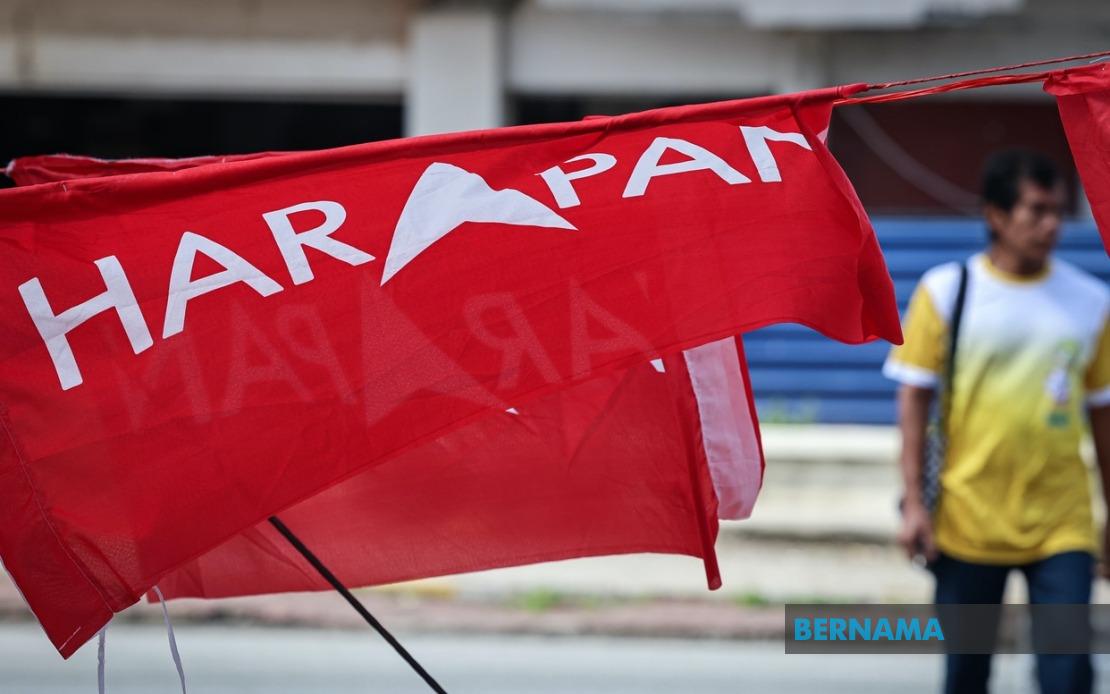
Pakatan Harapan candidates have entered the closing stretch of the 16th Johor state election campaign with a structured dual approach designed to penetrate voter consciousness through both traditional community engagement and sophisticated digital channels. The strategy acknowledges a fundamental shift in how political messaging now reaches diverse audiences across Malaysia's second-largest state, blending the irreplaceable human connection of face-to-face campaigning with the algorithmic reach and participatory nature of social media platforms. This integrated methodology reflects broader recognition that contemporary electoral campaigns cannot rely solely on either traditional or digital mechanisms, but must orchestrate both in complementary fashion to maximise penetration across socioeconomic and generational lines.
The party's top leadership has visibly committed resources to field operations across Johor, with prominent figures such as Penang Chief Minister Chow Kon Yeow deploying directly into constituencies to energise local party machinery. Chow's engagement in Simpang Jeram alongside incumbent assemblyman Nazri Abdul Rahman exemplifies how senior party figures are functioning as morale multipliers, injecting momentum into volunteer networks while simultaneously generating localisable content for digital distribution. This deployment strategy serves dual purposes: it broadcasts confidence in PH's electoral prospects while providing tangible evidence of party commitment to voter concerns, a particularly important signal in state-level contests where voters assess the likelihood of receiving post-election attention from their representatives.
Social media has emerged as the campaign's primary force multiplier, with candidates systematising content distribution across multiple platforms tailored to specific user demographics and interaction patterns. Rather than treating social media as a mere broadcasting channel, PH operatives have reconceptualised these platforms as instantaneous feedback mechanisms enabling real-time dialogue between candidates and constituents. This transformation from monologue to interactive conversation fundamentally alters voter perception, creating the illusion—or occasionally the reality—of responsiveness and accessibility that traditional campaign formats struggle to achieve.
TikTok has proven particularly effective as a vehicle for candidate positioning, particularly where candidates adopt conversational rather than ceremonial tones. Tiram candidate Nor Zulaila Abd Ghani capitalised on the platform's youth-skewing demographics and preference for authenticity by presenting herself through a relaxed delivery style that eschews the formality traditional Malaysian politics has historically demanded. The platform's comment sections provided immediate feedback, with users explicitly articulating support for her leadership qualities and commitment to representing constituent interests. This peer-to-peer validation mechanism operates more persuasively than top-down candidate endorsements, as it emerges ostensibly from organic user reactions rather than coordinated party messaging.
Parallel digital initiatives demonstrate sophisticated audience segmentation. Dr Maszlee Malik's deployment of a dedicated WhatsApp Channel branded 'Gerak Sama Dr Maszlee Malik' targets voters preferring direct, unmediated communication over curated social media presentations. WhatsApp's encrypted, subscription-based architecture creates communities of committed supporters more likely to share content within their networks, generating word-of-mouth amplification with greater credibility than paid advertising. This channel simultaneously functions as a grievance mechanism, allowing voters to articulate concerns directly to the candidate's team rather than channelling complaints through bureaucratic structures. Such mechanisms address a persistent Malaysian voter concern: the perception that elected representatives become inaccessible post-election.
Facebook continues serving strategic purposes for candidates seeking to emphasise professional credentials and community activism. Machap candidate Nor Hafiz Roslan's utilisation of the platform to highlight his legal background and civil society engagement reflects an understanding that different voter segments evaluate candidate suitability through distinct criteria. Older demographics and professional classes remain disproportionately represented on Facebook, where detailed biographical information and documented professional achievements carry greater persuasive weight than TikTok's performative authenticity. This segmented approach avoids the homogenisation that results from identical messaging across all platforms, instead allowing candidates to emphasise different facets of their personas to different audiences.
Tanjung Surat candidate Faizul Abdul Ghani's deployment of the 'Jelajah Trak Harapan' mobile campaign unit illustrates how traditional campaign mechanics are being repurposed for digital synergy. The physical mobility of a branded campaign vehicle generates local visibility while simultaneously creating content opportunities—photographs and brief videos captured at multiple locations provide material for digital distribution, extending the reach of any single physical appearance far beyond those physically present. This creates a multiplier effect where ground-level campaign activities fuel social media narratives, while digital campaigns drive foot traffic to physical events.
The hybrid strategy addresses critical campaign vulnerabilities inherent to purely digital approaches. While social media enables rapid message dissemination and appears to offer cost advantages, it remains vulnerable to platform algorithm changes, content moderation decisions, and accusations of inauthenticity. Conversely, traditional grassroots campaigning proves labour-intensive and struggles to achieve coverage beyond immediate geographic areas. The integrated approach mitigates both vulnerabilities by using grassroots activities to generate authentic material for digital amplification, while using digital channels to publicise and extend the reach of physical campaign events. This synergistic relationship means neither channel operates independently; instead, they reinforce each other within a coherent campaign narrative.
For Malaysian voters and political observers, this campaign evolution signals a maturing domestic understanding that electoral success increasingly depends on technological sophistication combined with classical political organising. The Johor contest demonstrates that Malaysian candidates and parties have absorbed lessons from global campaigns regarding digital engagement, yet remain cognisant that Malaysia's political culture—still anchored in community relationships and personal interactions—cannot be displaced by algorithms alone. The most effective candidates recognise that TikTok comments and WhatsApp messages operate most persuasively when they reference conversations, commitments, and relationships initiated through physical presence in constituencies.
The tactical choices made by PH candidates in these final campaign days also reflect calculations about voter attention patterns and information consumption habits. With polling day scheduled for July 11, the final week represents the period when voter attention peaks and decisions crystallise. By maintaining simultaneous presence across grassroots and digital domains, candidates attempt to reach voters throughout their information environments—whether encountering campaign messaging through a community gathering, a social media feed, or a peer-shared TikTok video. This omnichannel saturation strategy operates on the principle that multiple exposures to a message across varied contexts increase both message retention and persuasiveness compared to singular exposure through one channel.
The broader implications for Malaysian electoral politics extend beyond this single state contest. If PH's hybrid campaign succeeds in Johor, expect similar strategies to proliferate across subsequent state and federal contests. The legitimacy PH's leadership grants to digital campaigning by visibly supporting candidates who leverage social media platforms signals that traditional gatekeepers of political communication—party newspapers, television appearances, formal rallies—no longer monopolise electoral discourse. This democratisation of campaign reach potentially advantages candidates with creative social media skills even if they lack traditional party connections or heavyweight endorsements. For voters, it suggests future campaigns will increasingly operate in digital spaces where engagement and feedback become normalised expectations rather than exceptional phenomena.
The Election Commission's scheduling of polling day for July 11 provides candidates precisely one week to consolidate final messaging and maintain momentum across their chosen channels. Early voting for security forces on July 7 establishes an unofficial secondary campaign endpoint, after which campaign intensity typically diminishes. The concentrated intensity of this final week will likely generate substantial digital content and grassroots activity, providing a valuable case study for how Malaysian political campaigns are evolving as candidates and parties increasingly acknowledge that electoral success requires navigating both physical and virtual terrains with equal sophistication and resource commitment.

