The Johor state election is shaping up as a volatile contest where traditional voting patterns may be disrupted by the absence of Perikatan Nasional candidates in nearly a quarter of all constituencies. Pakatan Harapan, anxious about the implications, is warning that the political landscape in these 23 seats remains fundamentally unpredictable, with the potential for unexpected vote transfers that could reshape close races across the state.
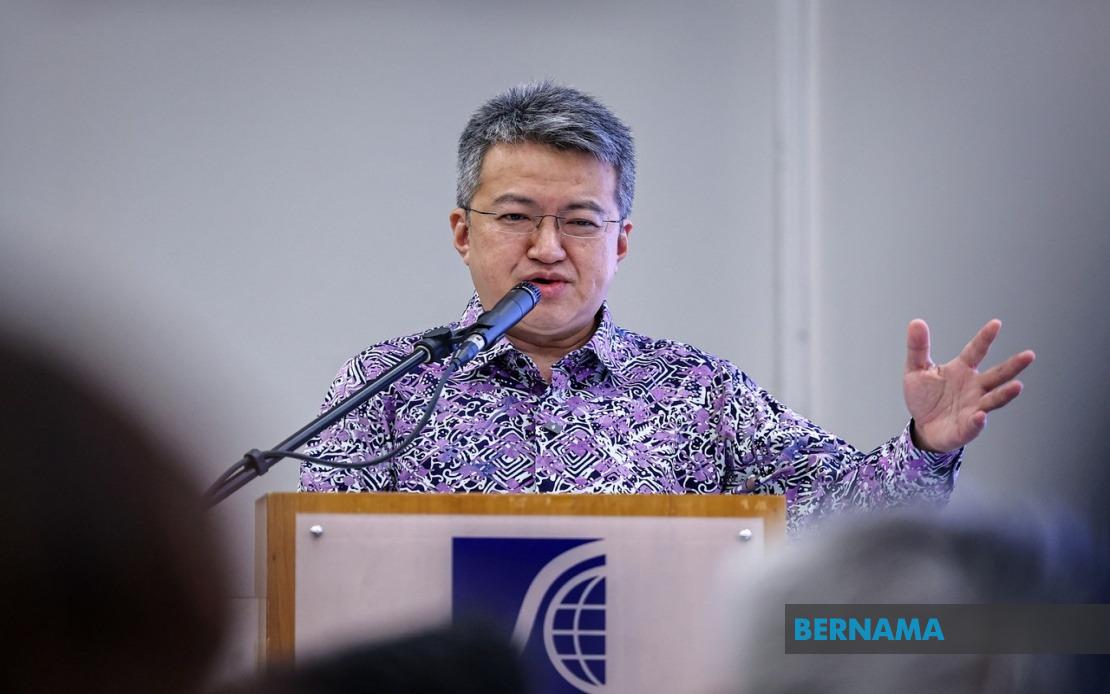
DAP Strategic Director Liew Chin Tong articulated PH's concerns during a media briefing in Johor Bahru, emphasising that the coalition cannot assume PN supporters will automatically stay home or migrate to their chosen candidates. The Deputy Finance Minister pointed to the inherent uncertainty that accompanies electoral contests, particularly when traditional competitive structures are altered by one major bloc's decision to withdraw. Such circumstances create what Liew described as "risks and possibilities" that extend beyond conventional analysis.
The core vulnerability for PH, according to Liew, is the potential for vote splitting in tight contests where DAP representatives are fielding candidates. When PN supporters lack their own candidate to rally behind, their preferences could fragment across the political spectrum—potentially benefiting Barisan Nasional, smaller opposition parties, or independent candidates depending on local dynamics. This fragmentation poses genuine arithmetic challenges in constituencies where victory margins are narrow, making the difference between gaining a seat and losing it potentially decisive for overall coalition performance.
Liew's public acknowledgement of this concern reflects the analytical maturity within PH's campaign structure. Rather than dismissing the risk, the coalition is preparing supporters and candidates to recognise vote leakage as a realistic scenario requiring active counter-measures. This transparency also signals to voters within PH's existing base that complacency could be costly, particularly in constituencies where the opposition presence is divided or where local candidates lack strong incumbency advantages.
PH's response strategy, according to Liew, hinges on sustained campaign intensity and offering voters substantive reasons to trust the coalition. The emphasis on "remaining vigilant, campaign diligently and continue offering new ideas" suggests a fundamental bet on engagement over assumptions—the coalition is banking on the ability to persuade PN supporters directly through direct outreach and policy messaging rather than relying on mechanical bloc voting behaviour. This approach demands significant campaign resources and volunteer mobilisation across all 23 contested constituencies.
The coalition has responded to these challenges by fielding what it describes as young and credible candidates tailored to individual constituencies. This candidate selection philosophy appears designed to appeal beyond traditional PH supporters, particularly to swing voters or those dissatisfied with their previous electoral choices. Younger candidates, in theory, offer voters a perception of renewal and dynamism that might prove attractive to those considering shifting allegiances.
Liew's personal decision to step aside from the Perling state seat after winning it in 2022 exemplifies a broader strategic shift within DAP. His withdrawal aligns with the party's stated principle against dual representation at parliamentary and state assembly levels simultaneously—a position that limits the power concentration of individual politicians and signals to voters that the party prioritises institutional discipline over personalised political machines. However, the move also reflects pragmatic recognition that Liew's departure creates space for succession planning and could reinvigorate PH's appeal to younger voters seeking generational change.
Former Senai assemblyman Alan Tee Boon Tsong inherits the Perling candidacy, stepping into a constituency with substantial electoral weight. Perling's 109,992 registered voters make it a significant prize with meaningful implications for overall state results. The three-way contest involving Tee against Barisan Nasional's P. Pannir Selvam and Parti Bersama Malaysia's Boo Wei Han transforms Perling into a microcosm of broader Johor electoral dynamics, where vote splitting and coalition positioning will directly shape outcomes.
The timing of these contests carries weight for Malaysian politics more broadly. The Johor election, scheduled for July 11 with early voting on July 7, represents a significant test of PH's capacity to consolidate support beyond the euphoria of the 2022 federal result. Since that landmark victory, PH has faced persistent questions about whether its appeal represents durable realignment or temporary discontent with the previous regime. A state election result that shows either unexpected resilience or concerning erosion would provide crucial data about the coalition's trajectory.
For Southeast Asian observers, the Johor election illuminates broader questions about Malaysian coalition politics and voter behaviour. Unlike neighbouring democracies with more rigid party structures, Malaysian voters often exhibit pragmatic flexibility in shifting support based on local circumstances, incumbent performance, and available alternatives. The absence of PN candidates in 23 seats creates a natural experiment in voter behaviour when traditional political options are constrained—do voters stick with coalitions, defect to alternatives, or simply disengage from particular races?
The regional implications extend beyond Malaysia's borders. Southeast Asia's electoral patterns increasingly feature fragmentation, where traditional two-sided contests give way to multi-party competition and volatile coalition dynamics. The Johor experience may offer lessons for other Southeast Asian democracies grappling with political realignment and the mechanics of coalition management when voters cannot be assured of consistent choice architecture across different levels of government.
Liew's emphasis on vigilance and continuous engagement suggests PH recognises that electoral victory in contemporary Malaysia requires sustained, intensive campaign work rather than reliance on structural advantages or historical patterns. This analytical sophistication—acknowledging uncertainties rather than dismissing them—may ultimately prove more valuable than complacency in determining July 11's results.

