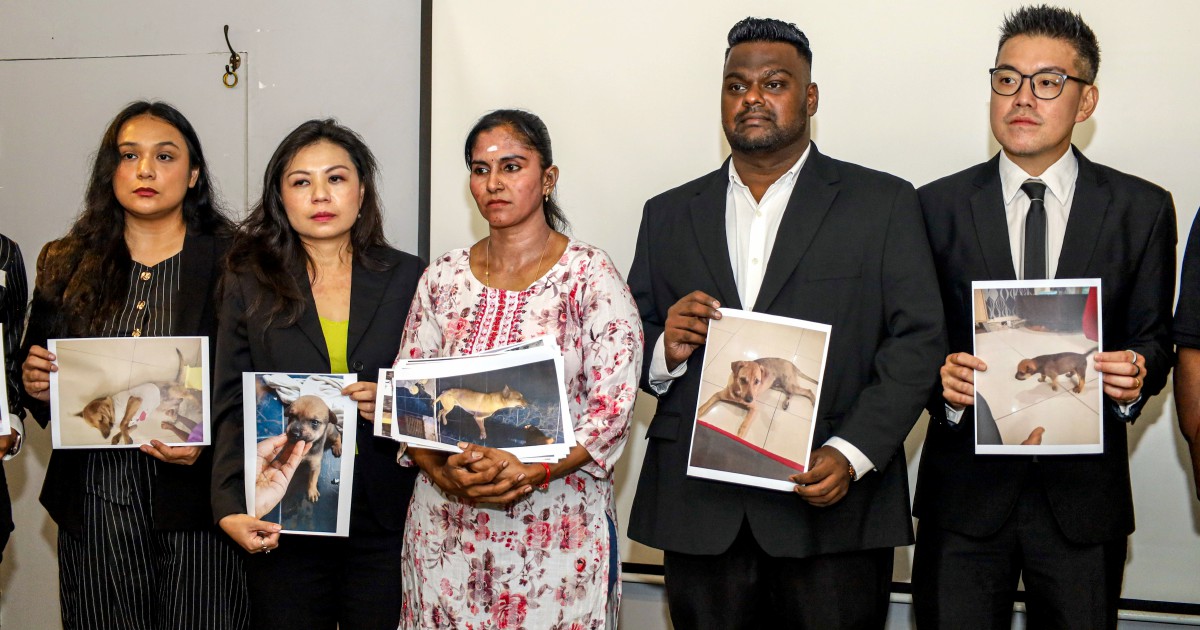
A pet dog's death in Port Klang has ignited scrutiny of how authorities conduct stray animal capture operations, with the owner demanding transparency in investigating what the animal allegedly suffered. The incident, which occurred in Taman Teluk Gedung Indah, has become a focal point for conversations about balancing animal welfare with pest control responsibilities that local councils manage across Malaysian residential areas.
Rocky, the deceased pet, reportedly died after being struck during an operation ostensibly aimed at capturing stray dogs in the neighbourhood. The incident raises troubling questions about the distinction authorities make between stray animals and domestic pets, particularly when operations occur in residential zones where both populations may coexist. The owner's push for an open investigation reflects growing concerns among Malaysian pet owners about how council contractors and animal control officers identify and handle animals during such operations.
The Port Klang incident exemplifies a recurring tension in urban animal management across Malaysia. While councils must address genuine problems posed by uncontrolled stray populations—disease transmission, public safety concerns, and overpopulation—residents increasingly worry about the safety of their own animals during sweeps. The lack of standardised protocols means procedures can vary significantly between municipalities, creating uncertainty about what homeowners can expect when such operations occur near their properties.
Animal welfare advocates have long questioned the methods employed during stray captures in Malaysia. Concerns centre on whether personnel receive adequate training in humane handling, whether non-lethal approaches are consistently prioritised, and how effectively teams distinguish between genuinely stray animals and pets that may simply be loose or wandering temporarily. The incident in Port Klang suggests these concerns may extend beyond theoretical debates into tangible consequences affecting household animals.
The transparency that Rocky's owner has requested would encompass several critical elements. An investigation should clarify the operational procedures used that day, the training credentials of personnel involved, whether proper notifications were issued to residents, and what safeguards existed to protect animals on private property. Furthermore, authorities should examine whether the force used was proportionate and necessary, or whether alternative approaches might have yielded different outcomes.
For Malaysian pet owners, Rocky's case underscores the importance of understanding local animal control practices and the rights residents possess regarding operations in their neighbourhoods. Currently, awareness of these procedures remains patchy, with many residents unaware of their ability to request prior notification or to raise objections before sweeps commence. Clearer communication channels could significantly reduce such incidents while still enabling councils to address genuine stray animal problems.
The broader context involves Malaysia's evolving approach to animal welfare, which has gradually shifted toward greater recognition of animal rights. Recent legislative developments, including enhanced provisions for animal cruelty penalties, suggest a national trajectory toward stronger protections. Port Klang's incident therefore arrives at a moment when public expectations for professional, humane animal management are rising, making the investigation's findings particularly significant.
Standardised national guidelines for stray animal capture could substantially improve outcomes across all local authorities. Such protocols should mandate proper identification procedures, require personnel training and certification, establish communication procedures with residents, and specify when lethal measures are truly justified versus alternatives. Many developed nations demonstrate that effective stray management need not come at the expense of companion animal safety when proper systems are in place.
The incident also highlights the emotional dimension of animal management in urban Malaysia. Pets increasingly occupy central roles in household life, particularly among younger generations and urban families. When operations result in the death of owned animals, the breach of trust between communities and authorities extends beyond the individual incident, eroding broader confidence in municipal services. Rebuilding that confidence requires genuine investigation, accountability where warranted, and visible improvements to processes.
Southeast Asian neighbours offer instructive examples of alternative approaches. Some jurisdictions have moved toward trap-neuter-return programmes, which address stray populations through humane means while respecting animal welfare. Others employ more sophisticated identification systems, allowing authorities to check whether animals are microchipped before capture. These methods often prove more cost-effective long-term while generating fewer incidents and complaints.
The way Malaysian authorities respond to Rocky's case will likely influence public perception of animal management across the country. A thorough, transparent investigation that results in concrete procedural improvements could become a turning point for animal welfare standards. Conversely, a response perceived as inadequate or defensive might further erode trust and encourage greater public scrutiny of council operations.
Moving forward, Port Klang provides an opportunity for the local council and relevant authorities to demonstrate commitment to both effective stray management and genuine animal welfare protections. This includes immediate investigation into Rocky's death, but also longer-term reforms ensuring such incidents become genuinely exceptional rather than isolated complaints within a system lacking transparency or accountability measures.

