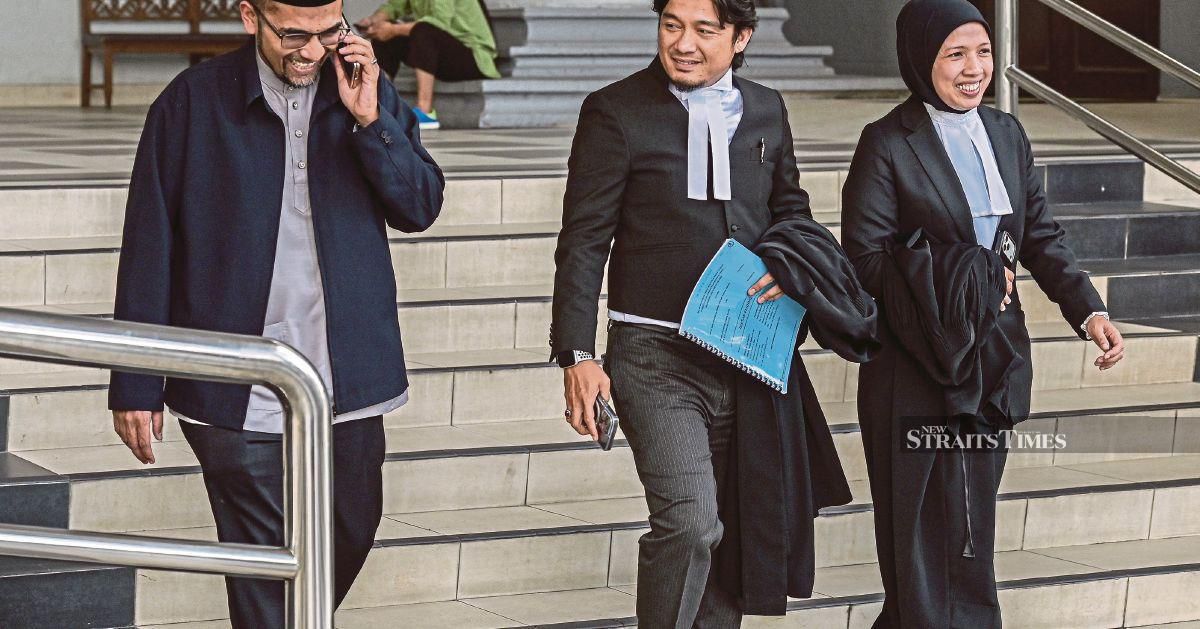
Datuk Dr Mohd Asri Zainul Abidin, the Perlis Mufti, has prevailed in a partial defamation action after the High Court awarded him RM250,000 in damages against the operator of a Facebook account. The decision stems from allegations published on social media that sought to connect the prominent Islamic scholar to GISB Holdings Sdn Bhd (GISBH), a company that has faced considerable public scrutiny in Malaysia. This judgment underscores the court's growing recognition of the serious reputational harm that can result from unsubstantiated claims disseminated through popular social platforms.
The case represents an important moment in Malaysian jurisprudence concerning digital defamation, particularly when allegations target individuals of public standing. Datuk Dr Mohd Asri Zainul Abidin holds considerable influence as a religious authority, and the court's decision acknowledges that false or misleading statements published online can inflict genuine damage upon a person's honour and standing within their community. The RM250,000 award reflects the court's assessment of the harm caused by the Facebook posts in question, though the partial nature of the ruling suggests that not all allegations within the defamation suit were upheld.
GISB Holdings has been the subject of ongoing controversy in Malaysia, with various concerns raised about its operations and the nature of organisations associated with it. The connection of a respected religious figure to such an entity through social media posts would naturally constitute a serious allegation, particularly given the heightened public interest surrounding the company. The mufti's decision to pursue legal action demonstrates the resolve of public figures to challenge false narratives that attempt to undermine their credibility and public trust.
The High Court's judgment carries practical implications for social media users throughout Malaysia and beyond. It serves as a cautionary reminder that posting unverified information on platforms like Facebook can result in substantial legal consequences. The RM250,000 award, while perhaps modest compared to defamation awards in other jurisdictions, represents a significant sum that underscores the courts' seriousness in protecting individuals from malicious online campaigns. For social media users who may feel emboldened by the relative anonymity offered online, this case demonstrates that accountability can eventually catch up with them.
Defamation law in Malaysia has historically been based on common law principles, but the increasing prevalence of social media has necessitated fresh judicial consideration of how these principles apply in the digital context. Unlike traditional print or broadcast media where editorial oversight might provide some filter, social media platforms enable virtually anyone to publish allegations to potentially vast audiences with minimal verification. The court's decision here acknowledges this distinctive character of social media communication and its particular capacity for causing rapid, widespread reputational damage.
The partial nature of the ruling—where the court found in favour of the mufti only on certain aspects of his claim—suggests a measured judicial approach that neither wholly dismisses legitimate public discourse nor permits wholesale character assassination through unsubstantiated allegations. This nuance is important for maintaining the balance between protecting individual reputation and preserving space for public commentary, particularly concerning matters where genuine public interest exists.
For other public figures in Malaysia, this judgment may provide encouragement to defend their reputations through legal channels when they face defamatory social media campaigns. However, the substantial costs and time commitment associated with litigation mean that many individuals simply lack the resources or determination to pursue such cases. The mufti's successful outcome thus represents a victory that may be unavailable to less prominent or well-resourced individuals facing similar attacks online.
The decision also has implications for discussions about platform responsibility. While the court targeted the individual account operator rather than Facebook itself, questions remain about the extent to which social media companies should be held accountable for content published by their users. Malaysian regulators and lawmakers continue to grapple with these questions as social media's influence on public discourse grows ever larger.
Datuk Dr Mohd Asri Zainul Abidin is a significant figure in Malaysian Islamic discourse, having previously served as the Mufti of Perlis and maintaining an influential voice on religious and social matters. His willingness to pursue this defamation action signals that public figures remain determined to protect their reputations against online attacks, even as the nature of communication and information flow has fundamentally changed. The case illustrates how traditional legal frameworks continue to be deployed in response to modern digital challenges.
The judgment contributes to a growing body of case law in Malaysian courts addressing defamation in the social media age. As more individuals and organisations pursue legal action over online posts, courts will likely develop more refined principles governing when allegations cross the line from permissible opinion or reporting into actionable defamation. This incremental development of jurisprudence remains crucial as society adapts legal concepts designed for an earlier era to address contemporary realities.
Beyond the immediate parties involved, the case resonates within broader conversations about digital literacy and responsible online behaviour in Malaysia. While the courts provide a remedy for those wronged by defamatory posts, the stronger solution lies in fostering a culture where individuals pause before sharing unverified claims. The RM250,000 judgment serves as a visible reminder of this responsibility, though its deterrent effect will likely vary depending on individuals' awareness of such cases and their willingness to heed such warnings.
Moving forward, the implications of this judgment may extend to how Malaysians approach social media engagement, particularly when discussing public figures or controversial organisations. The award suggests that serious consequences can follow from careless online posting, and that even partial victories in defamation actions can result in meaningful financial judgments. For social media users navigating an increasingly litigious landscape, such cases offer practical lessons about the importance of verification and restraint before publishing allegations online.

