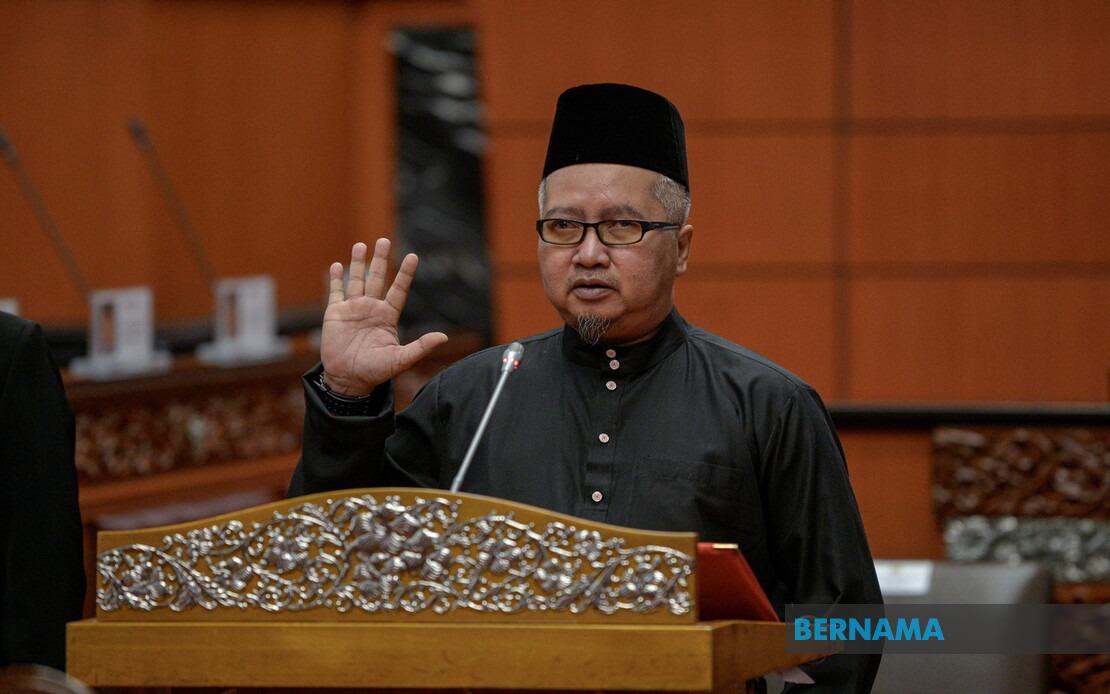
Senator Azahar Hassan, the Perlis secretary of Parti Pribumi Bersatu Malaysia, has stepped down from his party position and all affiliated roles, effective immediately. The announcement was made in Kangar on July 9, marking a significant departure from the party's state leadership structure in Malaysia's northernmost peninsular state.
Azahar's resignation statement emphasised that the decision resulted from thorough deliberation and careful assessment of the political landscape. He framed his exit as a principled move rooted in personal conviction rather than a reactive response to immediate circumstances. The carefully worded statement suggested that his ongoing political beliefs no longer aligned with the party's current direction or strategic outlook, prompting him to seek alternative avenues for his political work.
Crucially, Azahar indicated that his departure from the party would not translate into a complete withdrawal from public service. He confirmed his intention to continue serving in the Dewan Negara, where he holds a seat appointed by the Perlis State Legislative Assembly. This distinction between party membership and parliamentary duties underscores a growing trend among Malaysian politicians who maintain legislative positions while shifting party affiliations or suspending party involvement.
Azahar's appointment to the upper house came relatively recently, on October 10, 2024, through the Perlis State Legislative Assembly's nomination process. His tenure as a Senator has therefore been comparatively brief, spanning less than a year before his party exit. This timing raises questions about the trajectory of his legislative agenda and whether his parliamentary focus may shift in the absence of party organisational constraints.
The resignation carries implications for Bersatu's operational structure in Perlis, a state where the party has sought to establish deeper political roots. Losing a senior figure such as a state secretary represents a setback for organisational cohesion, particularly in a smaller state where party machinery depends heavily on committed leadership at every level. The departure may necessitate internal restructuring and the appointment of a successor to manage party affairs in the state.
Perlis has emerged as a significant political battleground within Bersatu's broader Malaysian operations. The state's political dynamics have historically reflected the volatile nature of Malaysian coalition politics, with frequent realignments and individual repositioning. Azahar's decision contributes to this pattern of flux and suggests underlying tensions within Bersatu's state chapter that may not have been publicly apparent.
Azahar's continued presence in the Dewan Negara despite his party resignation positions him as an independent voice or potential bridge figure in upper house deliberations. Malaysian Senators wield considerable influence in legislative processes and committee work, and Azahar's independence may allow him greater flexibility in policy matters. His parliamentary tenure could serve as a platform for advocating positions unconstrained by party discipline.
The resignation also reflects broader dynamics within Bersatu at the national level. The party has experienced multiple personnel transitions and factional movements since its formation, with senior members periodically reassessing their alignment with the party's strategic direction. These individual departures cumulatively shape the party's trajectory and public perception regarding internal stability.
For Malaysian observers, Azahar's exit exemplifies the fluidity characterising contemporary politics in the country. Politicians regularly transition between party affiliations, assume independent status, or restructure their public roles to reflect evolving convictions. This mobility complicates traditional party loyalty frameworks and introduces unpredictability into political calculations at state and national levels.
The implications for Perlis politics specifically warrant close monitoring. As a state with a relatively compact political ecosystem, individual resignations can disproportionately affect party dynamics and coalition configurations. Bersatu's loss of a state-level secretary may prompt recalibration of the party's organisational priorities and strategic positioning within Perlis's broader political environment.
Azahar's decision to maintain his Dawan Negara membership while departing the party reflects pragmatic political calculation. Upper house positions carry prestige and functional responsibilities, and maintaining this platform allows him to continue public service while transitioning to a new political status. His continued legislative engagement may eventually clarify whether his resignation represents a temporary repositioning or a more fundamental realignment of his political identity and commitments.

