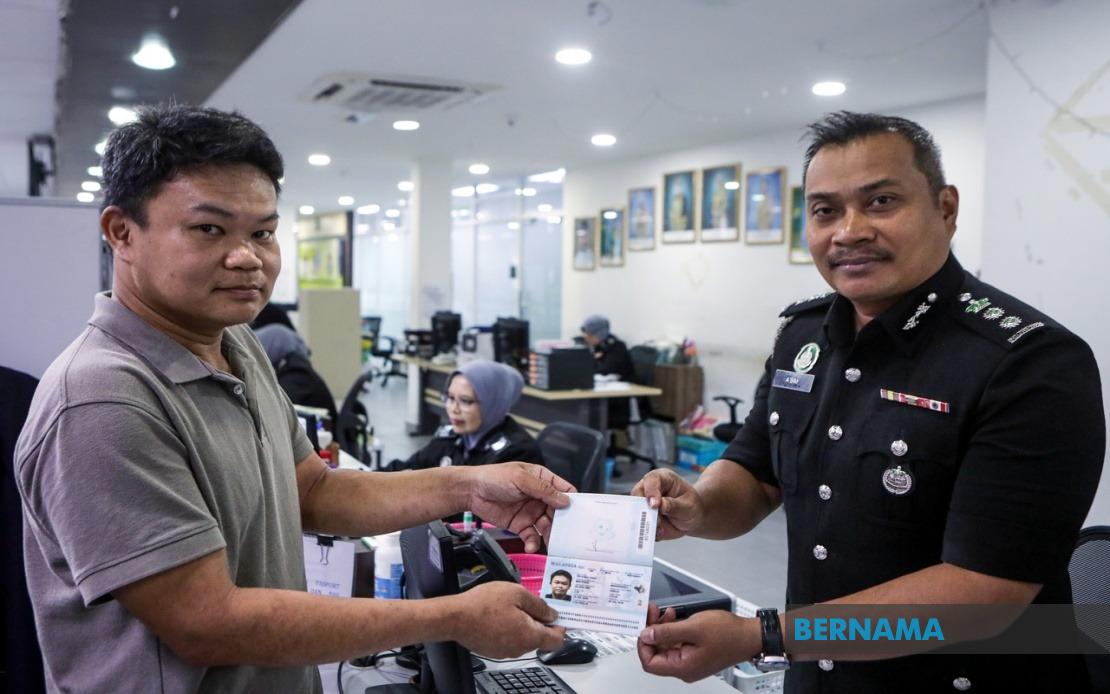
The Perlis Immigration Department has commenced distribution of the newly redesigned Malaysian International Passport, marking a significant advancement in the country's travel document infrastructure. The initiative, which took effect from July 20, represents the first phase of a broader national modernization programme launched by Prime Minister Datuk Seri Anwar Ibrahim on June 30. The fresh design incorporates 94 distinct security features intended to elevate protection against counterfeiting and fraud while delivering enhanced functionality to passport holders.
Currently, the advanced printing operations remain concentrated at the Immigration Office within the Kangar Urban Transformation Centre, where dedicated machinery was recently installed to facilitate the new production standards. Perlis Immigration director Mohammad A'sim Md Ali indicated that the department's main office will receive comparable equipment following completion of structural upgrades at the Perlis Ministry of Home Affairs Complex, with installation anticipated by October. This phased approach reflects the technical complexity involved in transitioning to the enhanced passport system, which demands specialized infrastructure and operator training.
The public reception during the initial rollout period proved remarkably positive, according to departmental officials. Between January 1 and July 17, the Perlis Immigration Department processed 31,722 travel-related documents across multiple categories. This figure encompasses 6,918 passport applications, 72 Restricted Travel Documents for individuals with specific travel constraints, and 24,732 Border Passes designed for cross-boundary movements. The substantial volume of Border Pass issuance reflects the particular importance of this document category to Perlis residents, given the state's geographic positioning adjacent to Thailand.
Applicants seeking the new Malaysian International Passport must be Malaysian citizens aged 18 years or above, with applications having opened to the public from July 1. A distinctive feature of the redesigned passport involves flexibility in validity periods, permitting holders to select either five-year or ten-year validity durations according to their personal circumstances and travel requirements. This optionality addresses varying needs within the population, from younger citizens with evolving career trajectories to established professionals seeking extended documentation validity.
The modernized passport represents considerably more than a cosmetic refresh of Malaysia's primary travel credential. Government officials have emphasized that the initiative constitutes a transformative undertaking aimed at substantially reinforcing the security architecture underpinning Malaysia's travel documentation framework. The incorporation of 94 distinct security measures positions the new passport among the most technically sophisticated travel documents in regional circulation, incorporating biometric elements, advanced printing techniques, and layered authentication mechanisms designed to withstand contemporary counterfeiting methodologies.
For Malaysian citizens, particularly those in Perlis and northern regions, the implications extend beyond mere document replacement. The enhanced security features facilitate smoother border crossings internationally, as immigration authorities worldwide increasingly adopt reading technologies compatible with these advanced specifications. Additionally, the expanded validity options provide practical advantages for frequent travellers who wish to minimize renewal frequency, thereby reducing administrative burdens and associated costs.
The staggered implementation strategy adopted by the Immigration Department demonstrates awareness of the logistical complexities involved in nationwide technological transitions. By concentrating initial production at the Kangar UTC facility whilst preparations continue elsewhere, authorities maintain service continuity whilst ensuring quality standards remain uncompromised during the transition period. This measured approach contrasts with rapid rollouts that frequently generate bottlenecks and public frustration.
Regionally, Malaysia's passport modernization initiative positions the nation competitively within Southeast Asian travel documentation standards. Neighbouring countries have undertaken comparable upgrades, and maintaining technological parity ensures Malaysian citizens encounter no disadvantages when travelling throughout the region and beyond. The initiative also signals Malaysia's commitment to international security protocols and cooperation with global border management frameworks that increasingly prioritize biometric verification and advanced document authentication.
Looking forward, the successful implementation in Perlis will likely serve as a blueprint for expansion throughout remaining state immigration offices. The October timeline for Kuala Lumpur and other major centres suggests the government anticipates completing nationwide infrastructure upgrades within a defined timeframe. Citizens planning to travel internationally should consider applying during this transition period, as the enhanced passport may expedite processing at increasingly digitalized border facilities globally.
The initiative also underscores broader government digitalization efforts extending beyond immigration services. As Malaysia progresses toward comprehensive digital identity and documentation frameworks, the new passport represents a tangible manifestation of this technological trajectory. Citizens engaging with the new system will experience modernized service delivery, reduced processing times once all facilities become operational, and enhanced confidence in document authenticity and security.
For businesses and organizations relying on employee travel documentation, the transition period presents opportunities to streamline workforce mobility planning. Companies operating across multiple countries may find the enhanced security features particularly valuable, as international partners increasingly adopt automated verification systems compatible with the new passport standards. This technological alignment ultimately reduces transaction costs and administrative friction associated with international business operations.

