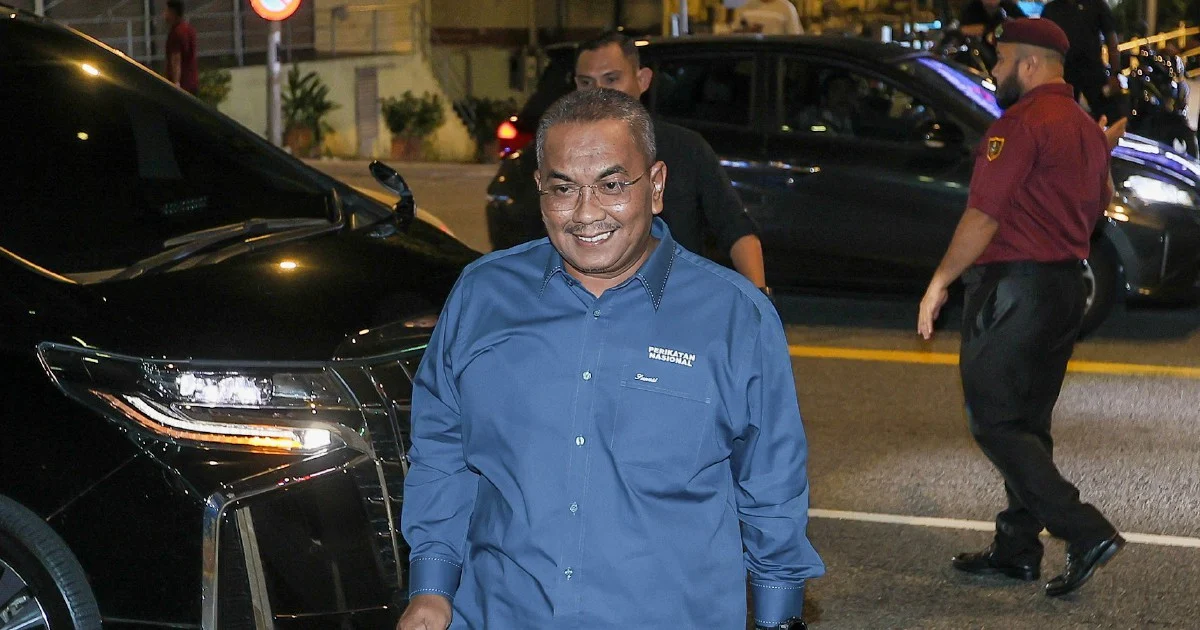
Perikatan Nasional has firmly laid to rest speculation about its electoral strategy in the forthcoming Johor state election, with the coalition's election chief making clear that it will contest using its own established symbol rather than adopting Barisan Nasional's traditional banner. The clarification from Datuk Seri Muhammad Sanusi Md Nor addresses persistent rumours that have circulated about possible alignments between the two major political formations ahead of polling in the southern state.
The distinction matters significantly in Malaysia's political landscape, where party logos and coalition symbols carry deep symbolic weight among voters. The decision underscores PN's positioning as a distinct political force rather than a subsidiary component within the older BN framework. Sanusi's pronouncement effectively closes the door on any notion of organisational consolidation between the two coalitions during the election campaign, establishing clear separation in how they present themselves to Johor's electorate.
This move reflects the increasingly complex nature of Malaysian coalition politics, where multiple groupings compete for support without necessarily merging their formal structures. Perikatan Nasional, which has grown substantially since its formation, has developed sufficient organisational capacity and voter recognition to stand independently at the state level. The coalition comprises several component parties with their own grassroots networks and electoral machinery, enabling it to mount a competitive campaign without relying on BN's traditional institutional advantages.
For Johor voters, this clarity should aid their understanding of the electoral terrain. Rather than facing potential confusion about which symbol represents which set of candidates and policy positions, the electorate will encounter a straightforward choice between distinct coalitions fielding their own representatives. This transparency facilitates more informed voting decisions, particularly important given Johor's size and demographic diversity.
The rumour mill had suggested various scenarios involving possible electoral cooperation or logo-sharing arrangements between PN and BN, reflecting the fluid nature of Malaysian politics where such alliances have occurred in other states and at the federal level. However, Sanusi's explicit dismissal indicates that no such arrangement will characterise the Johor campaign. This positioning allows each coalition to develop independent messaging and policy platforms tailored to state-level concerns without the complications that might arise from shared branding or ambiguous organisational boundaries.
Barisan Nasional has traditionally dominated Johor, with its component parties holding deep community roots accumulated over decades of governance. Perikatan Nasional's decision to field candidates under its own identity rather than attempt absorption into or partnership with BN's structures suggests confidence in its ability to compete directly. This approach also preserves the autonomy of PN's component parties, allowing them to maintain their distinct organisational identities while presenting a united front through the coalition's overarching structure.
The electoral calculus in Johor remains intricate, with various constituencies presenting different dynamics and voter preferences. Some areas may lean toward traditional BN politics and incumbency, whilst others might respond to PN's narrative as a fresher political alternative. By maintaining separate symbols and campaign identities, both coalitions can target voters most receptive to their respective messaging without the confusion that merged branding might introduce.
Sanusi's role as election director places him in a crucial position to communicate the coalition's strategic intentions and operational plans. His direct statement carries weight as official PN policy rather than speculation or preliminary discussions. This clarity from the coalition's hierarchy helps manage expectations among party members and supporters, ensuring they understand the framework within which the campaign will operate and preventing internal discord about electoral strategy.
The broader context includes ongoing negotiations and alignments across Malaysian politics at both state and federal levels. Different states have adopted various coalition arrangements, and political observers continue monitoring which formations choose to work together and which maintain independence. Johor's decision by PN to go solo establishes a particular model for that state's contest, potentially influencing how other major electoral challenges unfold elsewhere in Malaysia.
For regional observers, this announcement reflects the maturation of Perikatan Nasional as a political force capable of mounting state-level campaigns independently. Rather than seeking validation through association with an older, historically dominant coalition, PN is projecting itself as a self-sufficient competitor. This confidence aligns with its growth trajectory since the political restructuring that followed Malaysia's 2022 general election.
The coming Johor election will thus present voters with a clear binary choice in coalition terms, assuming no late tactical shifts occur. Each formation will campaign under its recognisable symbol, field its own slate of candidates, and articulate its specific vision for the state's governance and development. Sanusi's statement ensures that participants and observers approach the campaign with accurate information about the fundamental electoral structure underpinning Johor's contest.