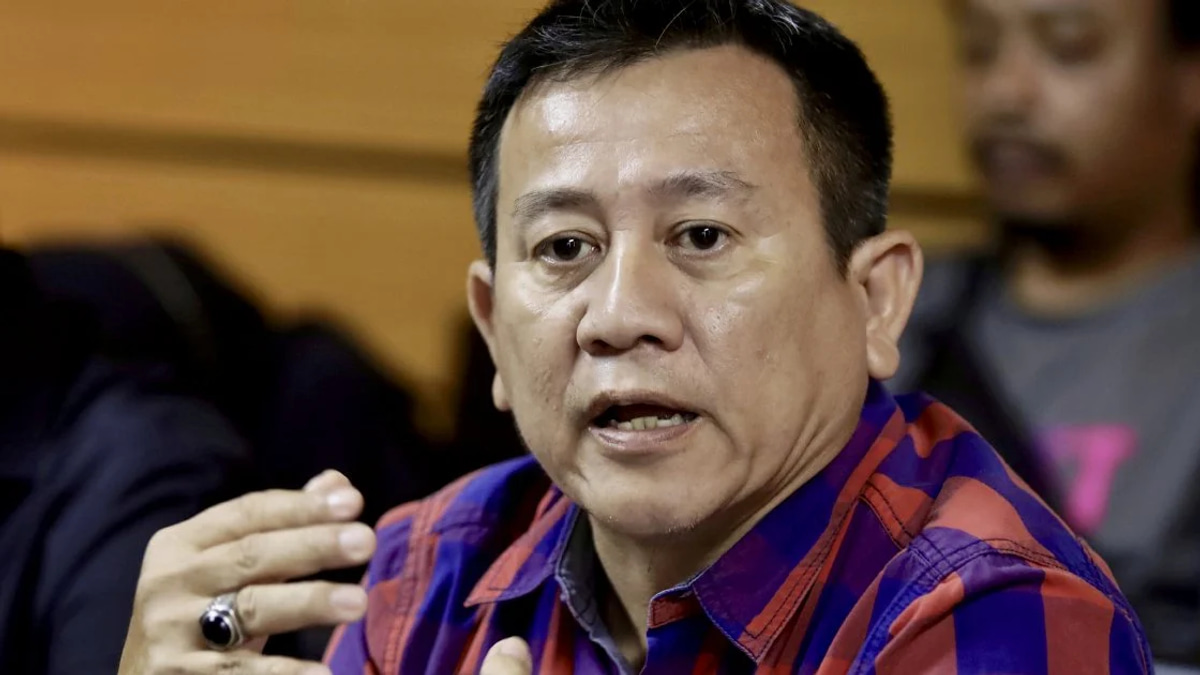
Perikatan Nasional has publicly signalled its readiness to contest a snap election should the government dissolve Parliament before the scheduled 2025 window, according to statements made by the coalition's leadership in Kota Baru. The opposition alliance, which includes PAS, Bersatu, and other partners, has activated its electoral machinery across multiple organisational tiers, positioning itself as a viable alternative should Malaysian voters be asked to return to the ballot box imminently.
The timing of these declarations reflects intensifying speculation about the political calculus within the ruling Pakatan Harapan government. Prime Minister Anwar Ibrahim has previously hinted at the possibility of dissolving Parliament ahead of schedule, with some analysts suggesting economic cycles and opinion polling may favour calling an election during more advantageous conditions. For PN, maintaining readiness serves dual purposes: it allows the coalition to project strength and organisational cohesion to both supporters and undecided voters, whilst simultaneously pressuring the government by demonstrating it has little to fear from an early contest.
The coalition's preparatory efforts encompass grassroots mobilisation, candidate selection processes, and strategic positioning in key constituencies where PN hopes to expand its 2022 foothold. This stands in contrast to the chaotic state of opposition politics that preceded the last general election, when fractured opposition ranks and competing alliances weakened their collective bargaining power. By signalling unified readiness now, PN seeks to convey that such internal discord has been resolved, a critical message for voters still processing the dramatic political realignments of recent years.
For Malaysian observers, the choreography of electoral readiness announcements from both government and opposition carries significant weight. When opposition leaders publicly declare preparedness, they typically aim to signal internal discipline and prevent demoralisation within their support base. The psychological dimension matters considerably—voters and party members are more likely to commit resources and energy to a coalition perceived as confident and well-organised than one appearing defensive or unprepared. PN's public stance therefore functions as internal morale-building as much as external political messaging.
The constitutional reality governing Malaysia's electoral cycle allows Prime Minister Anwar considerable discretion in dissolution timing. Unlike some democracies with fixed election dates, Malaysian law permits the sitting government to call elections at strategically advantageous moments, provided the move occurs before Parliament's five-year term expires. This flexibility has historically worked to incumbent advantage, though Anwar's government maintains its own coalitional fragilities that could collapse regardless of polling conditions, forcing an earlier election through parliamentary arithmetic rather than deliberate strategy.
Geographically, the East Malaysian states of Sabah and Sarawak represent particular battlegrounds where PN sees opportunities. These states have demonstrated greater electoral volatility than peninsular Malaysia, with voters frequently switching allegiances based on localised development concerns and federal fund allocation. PN's preparations likely emphasise these regions with tailored messaging around autonomy, economic development, and resource distribution—issues that consistently dominate local political discourse in a manner distinct from peninsular preoccupations.
Within the broader regional context, Malaysia's electoral timeline intersects with political developments across Southeast Asia. Thailand's relatively recent return to electoral politics, Indonesia's successful 2024 presidential election, and ongoing democratic processes throughout the region create an environment where Malaysian political developments carry broader implications. A snap election here could signal either governmental confidence or desperation, influencing investor sentiment and regional political perceptions about democratic stability in the Association of Southeast Asian Nations.
The PAS-Bersatu partnership anchoring PN has withstood considerable strain since the coalition's formation. Public declarations of unified readiness thus represent significant commitments requiring negotiated agreement on seat allocations, campaign strategies, and post-election coalition arrangements. That PN's leadership feels confident enough to make these statements suggests internal negotiations have advanced sufficiently to present a unified public face, though observers should note that electoral alliances frequently prove fragile once results emerge and power-sharing arrangements face practical implementation challenges.
For Chinese and Indian Malaysian voters, the composition and policy direction of PN remains a critical consideration influencing their electoral choices. The coalition's incorporation of PAS—a party with explicit Islamic-based governance principles—generates ongoing debates about institutional pluralism and minority protections. Opposition parties have previously campaigned on concerns about minority representation under PAS-led administrations, messaging that will likely resurface should an early election materialise. PN's readiness therefore extends beyond mere organisational preparation to encompassing how it will address persistent questions about governance inclusivity and constitutional safeguards for religious and ethnic minorities.
Economically, the timing of any early election could affect business confidence and investment flows. Corporations typically experience uncertainty during electoral campaigns and the subsequent transition periods before new governments stabilise their policy directions. If Anwar's government appears headed toward electoral defeat, early dissolution might paradoxically create short-term market negativity. Conversely, if internal government polling suggests strong performance, calling an election serves to reinforce investor confidence in political stability through renewed mandates.
From a practical standpoint, PN's mobilisation efforts require substantial financial resources, candidate recruitment across hundreds of constituencies, and coordination between component parties that retain separate organisational identities and interests. The statement of readiness therefore functions partially as reassurance to party members and supporters that leadership possess the capacity and determination to contest effectively, preventing the demoralisation and defection that could undermine the coalition during any electoral campaign.
Ultimately, declarations of readiness represent the opening moves in complex electoral chess. Whether Prime Minister Anwar actually dissolves Parliament this year will depend on factors ranging from economic indicators to polling data to parliamentary seat mathematics. PN's public positioning ensures that if dissolution occurs, the opposition enters any consequent campaign without appearing surprised or unprepared—a critical advantage in Malaysia's fast-moving electoral environment where momentum and organisational agility often determine outcomes.