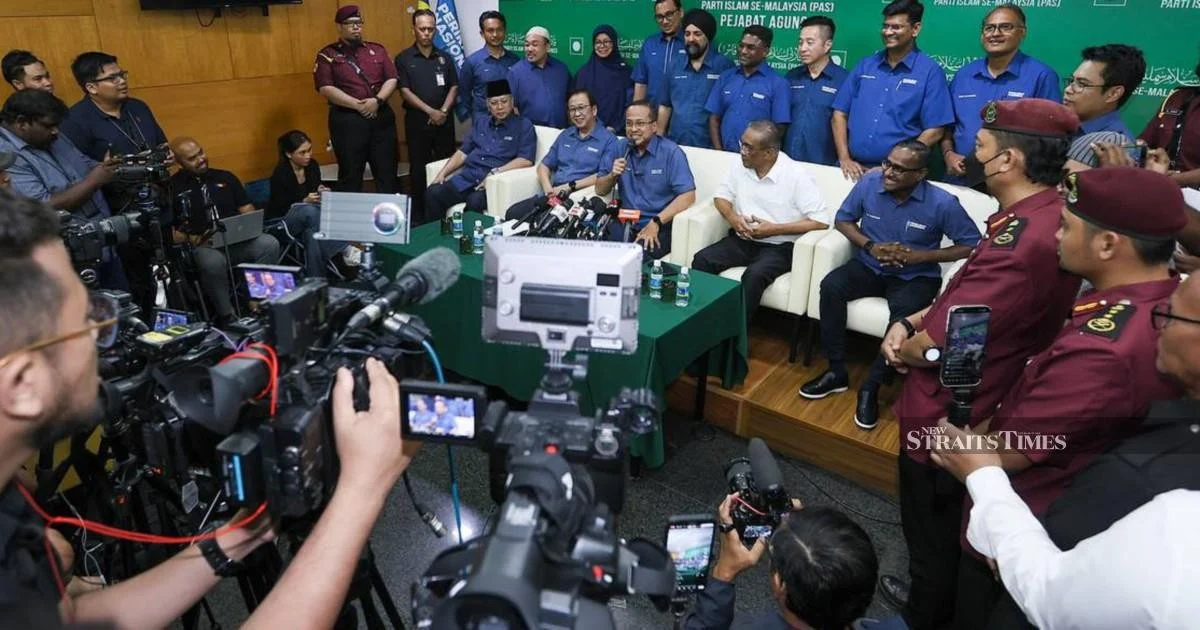
Perikatan Nasional is set to lock in its seat allocation framework for the upcoming Johor state election following a special meeting convened to resolve outstanding distribution questions among the coalition's component parties.
The decision represents a critical juncture for the opposition bloc, which has been consolidating its position across several Malaysian states. Johor, as a strategically important state with considerable electoral weight, has become a key battleground where rival coalitions are positioning their resources and candidates. The finalisation of PN's seat arrangement signals the coalition's intent to move swiftly into campaign mode and present a united front to voters.
Within Malaysia's complex multi-party political landscape, seat allocation negotiations among coalition partners typically involve intricate bargaining over constituency distributions, candidate selection criteria, and strategic positioning. These discussions often take considerable time as parties balance ambitions with pragmatic considerations about winning margins and resource deployment. The fact that PN is now moving toward finalisation suggests internal consensus has been reached or imminent agreement is expected among its leadership.
The coalition comprises several significant political entities with competing interests across different regions. Each component party seeks to maximise its representation and influence, particularly in states where it has strong grassroots support or historical electoral success. Johor's demographics and political composition—with urban, semi-urban, and rural constituencies presenting different electoral dynamics—require careful strategic allocation to optimise the coalition's overall prospects.
For PN, the timing of this meeting carries broader implications beyond a single state election. The coalition has been navigating a period of significant change within Malaysia's political ecosystem, with shifting alliances and voter sentiment creating both opportunities and vulnerabilities. How effectively PN executes its campaign in Johor will influence its trajectory nationally and potentially affect the political calculations of other states watching the results.
The special meeting also reflects the procedural maturity expected within a serious coalition operation. Major political alliances must establish clear frameworks for decision-making, candidate vetting, and campaign coordination to avoid the conflicts and public disputes that can undermine electoral performance. PN's ability to move toward finalisation without major public controversy suggests functional internal governance structures.
From a practical standpoint, locking in seat allocations allows component parties to begin identifying and vetting candidates, coordinating local campaigns, and mobilising party machinery. Delayed decisions create cascade problems throughout the electoral timeline, compressing preparation periods and potentially compromising candidate selection quality. By resolving this matter promptly, PN creates space for substantive campaign work in the weeks leading up to polling day.
Johor's electoral significance extends beyond simple seat counts. As one of Malaysia's most populous states and a traditional powerhouse in national politics, the state's electoral outcome carries symbolic weight that influences perceptions about which political forces are ascendant nationally. A strong PN performance in Johor would strengthen the coalition's standing across other states, while a disappointing result would prompt serious internal recalibration.
The decision to hold a special meeting rather than incorporating the issue into regular party forums suggests the matter was either particularly contentious or required urgent resolution. Coalition leaders apparently deemed it important enough to justify convening members outside standard scheduling, indicating the significance they attach to progressing the Johor campaign.
Regionally, Perikatan Nasional's Johor positioning matters for Southeast Asian political observers monitoring Malaysia's internal dynamics. The state remains central to national economic activity and sits at the crossroads of regional relationships. How PN performs electorally affects the overall political stability and policy direction of a significant regional economy and political actor.
Looking forward, the completion of seat allocation must transition into effective campaign execution. Strong internal coordination during the allocation process is necessary but insufficient—ground-level campaign effectiveness, candidate appeal, policy messaging, and voter engagement ultimately determine electoral outcomes. The real test of PN's preparation will emerge in how its candidates and volunteers perform during the campaign itself.
The coalition's decision to finalise these arrangements reflects confidence that negotiations have reached a satisfactory conclusion for all parties involved. Whether this translates into unified campaign performance and electoral success will become apparent only once campaigning intensifies and voters render their judgment.