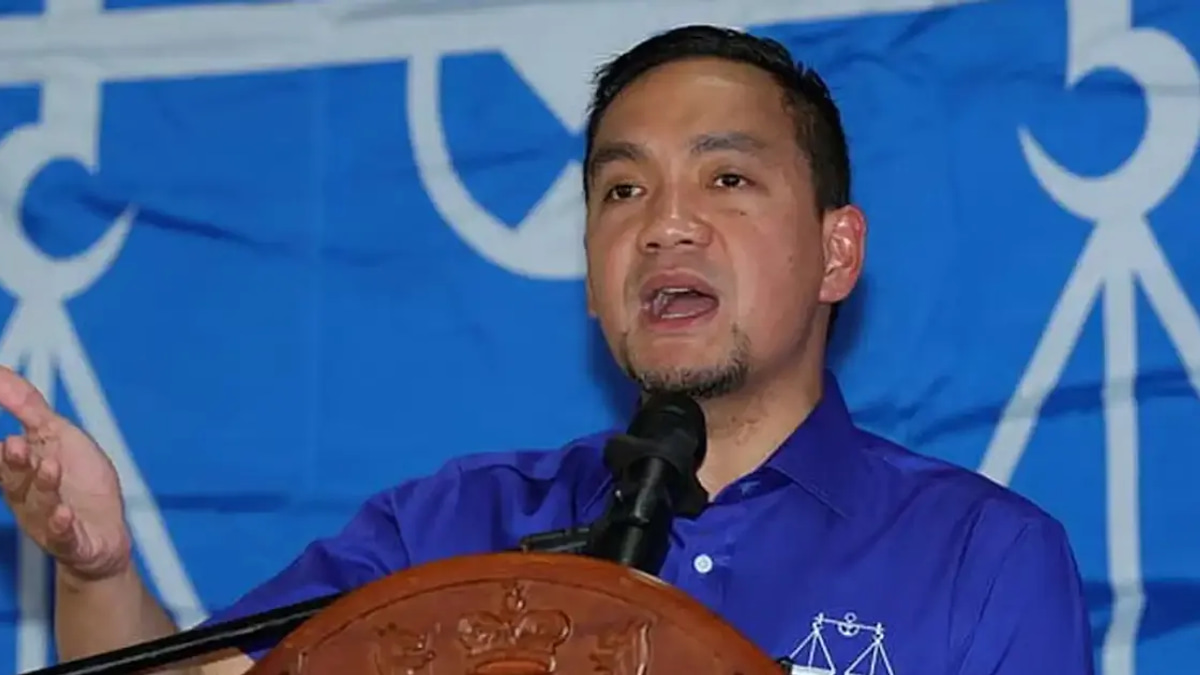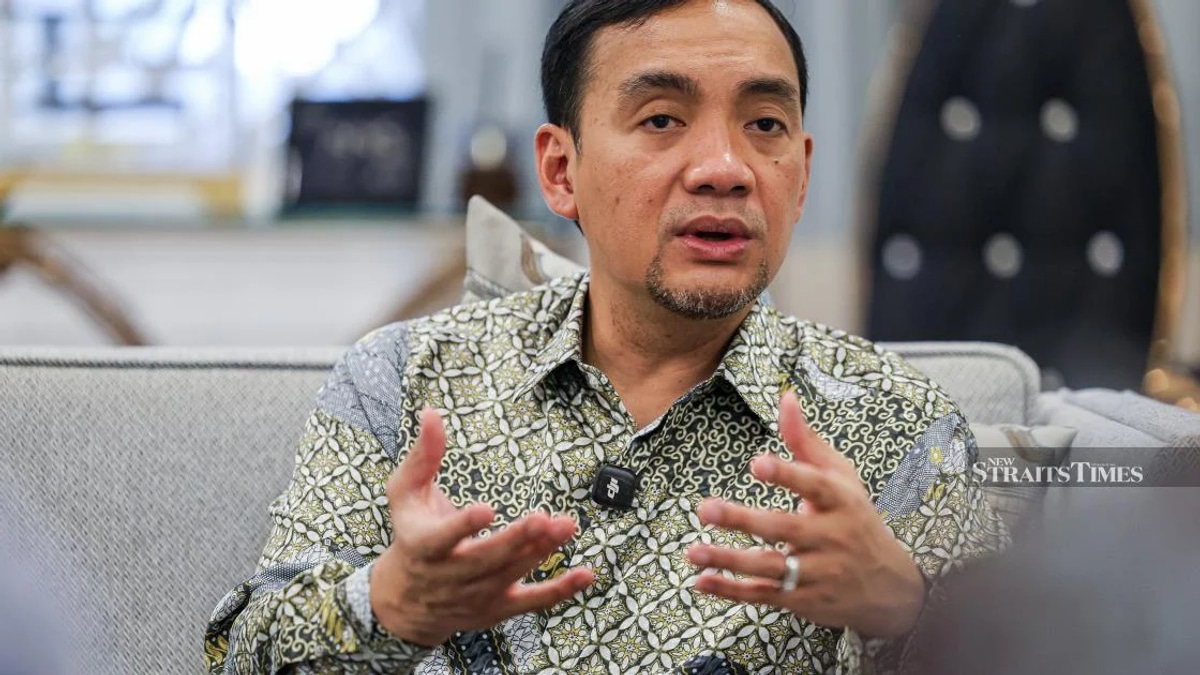
Perikatan Nasional has initiated a significant restructuring of its upper ranks, announcing the immediate termination of two prominent Bersatu figures as the coalition prepares for forthcoming state elections in Johor and Negeri Sembilan. PN chairman Datuk Seri Ir Dr Ahmad Samsuri Mokhtar confirmed that Datuk Dr Mohd Radzi Md Jidin, who held the position of vice-president in Bersatu, and Datuk Seri Mohamed Azmin Ali, the party's secretary-general, would step down from their coalition roles effective immediately.
The departures mark a watershed moment for PN, signalling internal realignment as the three-party coalition faces mounting pressure ahead of critical state-level contests. Mohd Radzi's removal carries particular significance given his previous appointment as PN's election director, a role that positioned him at the centre of the coalition's campaign machinery. His replacement by Kedah Menteri Besar Datuk Seri Muhammad Sanusi Md Nor suggests a deliberate shift in PN's electoral strategy and reflects confidence in the PAS-affiliated administrator's capacity to mobilise grassroots support across multiple states simultaneously.
The changes also extend to the treasurer's portfolio. Muhammad Sanusi, who simultaneously relinquished his position as PN treasurer following his elevation to election director, has been succeeded by Subramaniam Surunaryan. This dual reassignment underscores PN's intention to redistribute responsibilities among its constituent parties while consolidating decision-making authority among trusted operatives. The appointment of Subramaniam, whose background suggests technical competence in financial management, indicates the coalition's focus on operational efficiency during an election-intensive period.
Azmin Ali's removal proves most contentious given his tenure as secretary-general and his historical prominence within Bersatu's organisational structure. Ahmad Samsuri justified the dismissal by citing constitutional requirements embedded in PN's governing charter, specifically invoking Clauses 8.3(V), (VI) and (VII). This constitutional pretext provides formal legitimacy to the reshuffle, though it also suggests potential disputes over interpretation and the boundaries of permissible executive action within coalition frameworks.
These developments unfold against a backdrop of deteriorating relations between PN's principal components. PAS, the largest partner by parliamentary representation, recently formally terminated all political cooperation with Bersatu, PN's founding party. That rupture transforms the current restructuring from routine administrative adjustment into potential structural realignment, potentially fragmenting PN's unity just as state campaigns demand maximum coordination. The emphasis on constitutional authority in justifying these removals may reflect concerns about legitimacy amid factional tensions.
The timing of the reshuffle holds crucial implications for Malaysian electoral politics. Johor and Negeri Sembilan represent distinct political battlegrounds with different demographic compositions and electoral histories. Johor, traditionally a Barisan Nasional stronghold, presents complexities given PN's ambitions to penetrate this wealthy southern bastion. Negeri Sembilan, meanwhile, offers opportunities for coalition partners to consolidate existing advantages. Leadership stability in election management roles becomes paramount when campaigns demand sustained messaging discipline and resource allocation.
The announcement signals that PN intends to proceed with state elections as a cohesive entity despite internal friction. Ahmad Samsuri's commitment to convening an emergency PN Supreme Council meeting indicates awareness that organisational anxieties require addressing through inclusive deliberation rather than top-down fiat alone. Such meetings typically serve dual purposes: formally ratifying leadership changes while providing constituencies within each party opportunity to voice concerns and calibrate expectations for the campaign ahead.
For observers tracking Malaysian coalition politics, these changes reflect broader patterns of tension between technical efficiency and coalition consensus-building. Removing experienced operatives like Azmin and Mohd Radzi risks losing institutional knowledge at critical moments, yet retaining them might have perpetuated disagreements about electoral strategy and resource priorities. The incoming leadership team, anchored by Muhammad Sanusi's proven electoral performance in Kedah, may offer fresh approaches untested at the national coalition level.
The restructuring also carries implications for Bersatu's internal authority. As architect of PN's original formation, Bersatu faces potential marginalisation if PAS consolidates organisational control following its formal rupture announcement. Losing both a vice-president and secretary-general simultaneously weakens Bersatu's representative capacity in coalition decision-making. Future meetings of the PN Supreme Council will reveal whether Bersatu leadership successfully challenges these removals or whether the party acquiesces to reconfigured power distributions.
Regional audiences should recognise these changes within the context of Malaysian federalism's complex dynamics. State elections provide alternatives to national power consolidation, and success in Johor would substantially enhance PN's claim to viable governing potential beyond Perak and Terengganu. Failure, conversely, would reinforce perceptions of declining organisational capacity and electoral appeal. The leadership reshuffle thus represents not merely bureaucratic rearrangement but strategic positioning for contests that will substantially influence Malaysian politics through the remainder of this electoral cycle and beyond.
Moving forward, the adequacy of this restructuring will be evaluated through electoral performance rather than internal proclamations. Muhammad Sanusi's ability to coordinate between parties with fraying relationships will test whether leadership changes address PN's fundamental organisational challenges or merely shuffle personnel without addressing underlying strategic disagreements about coalition direction, electoral messaging, and resource allocation priorities.