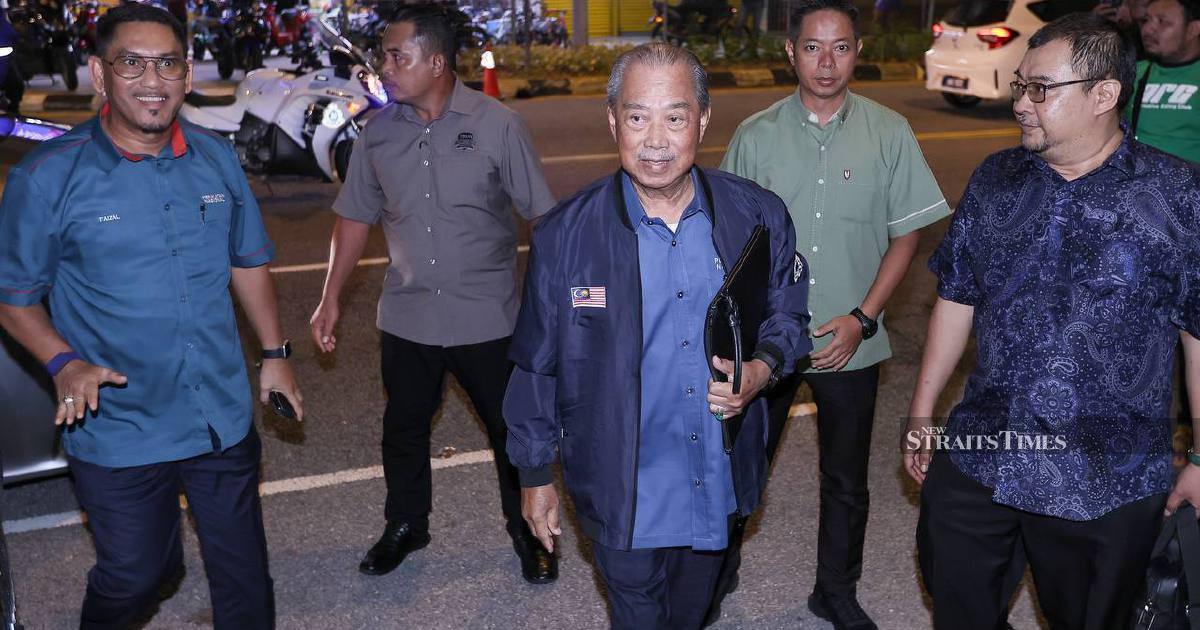
The leadership of Perikatan Nasional convened in an unscheduled Supreme Council session at the headquarters of Parti Islam Se-Malaysia in Kuala Lumpur, underscoring the urgency of issues demanding immediate attention within Malaysia's primary opposition coalition. The emergency nature of the gathering reflects deepening complications that have tested the stability of the three-party alliance comprising PAS, Bersatu, and PKR's splinter faction, as the bloc seeks to maintain coherence amid shifting parliamentary dynamics and external pressures on its constituent members.
The assembly of PN's top decision-making body signals that the coalition faces matters too pressing for standard meeting schedules. Emergency sessions typically convene when unforeseen developments or critical decisions cannot await routine gatherings, suggesting the coalition has encountered developments requiring urgent collective deliberation among its most senior figures. The choice of PAS headquarters as the venue underscores the Islamic party's continuing prominence within PN's architecture, even as the coalition has navigated questions about internal hierarchy and influence distribution among its partners.
Perikatan Nasional has undergone considerable strain since its formation, wrestling with both external political competition and internal disputes over strategy, resource allocation, and representation. The coalition's partners bring distinct constituencies and ideological orientations that have occasionally produced friction, particularly regarding approaches to religious matters, economic policy, and engagement with federal institutions. Previous internal disagreements have surfaced publicly, creating impressions of disunity that opposition coalitions can ill afford when seeking to present themselves as viable governing alternatives.
The timing of this emergency session carries significance within Malaysia's broader political calendar and parliamentary composition. PN's parliamentary strength directly influences government stability and legislative outcomes on critical issues ranging from budgets to constitutional matters. Any developments affecting coalition coherence ripple through parliament's balance of forces and can shift calculations about government survival, opposition influence, and the viability of proposed legislation. For Malaysian citizens and investors, coalition stability matters because it determines predictability in policymaking and the government's capacity to enact its agenda.
Regional observers note that opposition coalition cohesion affects Southeast Asia's political landscape, as Malaysia's domestic dynamics influence regional diplomatic relations and economic cooperation frameworks. A weakened or fractious opposition in Malaysia's parliament can alter foreign policy consensus and international positioning. Conversely, a strong and unified opposition can provide meaningful oversight of executive conduct and enhance democratic accountability in regional affairs, considerations that extend beyond Malaysia's borders into broader ASEAN dynamics.
The PAS-led coalition has attempted to position itself as a serious counter-narrative to the incumbent government, emphasizing areas where it claims superior governance capacity or policy alternatives. However, maintaining this posture requires suppressing internal disagreements sufficiently that external observers perceive PN as a credible government-in-waiting. Emergency meetings create perception challenges by suggesting crisis management rather than orderly governance, potentially reinforcing voter doubts about coalition readiness for high office.
Political analysts observe that opposition coalitions in Malaysia face distinct challenges compared to governing coalitions. Without executive power to distribute patronage or direct bureaucratic resources, opposition alliances rely more heavily on ideological coherence and organizational discipline to maintain membership loyalty. When partners perceive unequal benefit from coalition membership or harbour strategic disagreements about tactics, the absence of concrete incentives to cooperation can accelerate fracturing. PN's emergency session may address such dissatisfactions before they metastasize into departures that would weaken its parliamentary footprint.
The composition of PN's Supreme Council reflects the coalition's structure, with representatives from each major constituent party holding positions. Decisions reached during emergency sessions typically require substantial consensus among these party leaders, meaning significant developments within PN rarely represent unilateral action by any single partner. This consensus requirement can slow decision-making but theoretically enhances legitimacy within the coalition. The necessity for emergency meetings sometimes indicates that ordinary consensus-building mechanisms have proven insufficient, suggesting more entrenched disagreements than routine sessions typically address.
For ordinary Malaysians observing politics from outside political circles, coalition stability matters primarily for its impact on governance quality and democratic competition. When opposition coalitions fragment or consume energy on internal disputes, executive oversight weakens and the government faces less meaningful challenge to its policies. Conversely, effective opposition activity can illuminate government failings and propose alternatives, enriching democratic discourse even for citizens who do not support the opposition. The outcome of PN's emergency deliberations therefore possesses implications extending well beyond coalition internal politics into the broader health of Malaysia's democratic institutions and governmental accountability.
The emergency convening also reflects the information environment within Malaysian politics, where developments affecting major coalitions typically attract intense scrutiny from party members, political analysts, and media observers. Whatever triggered the urgent session will likely emerge through official statements and media reporting, contributing to ongoing public understanding of coalition dynamics. How PN leadership frames the meeting's outcomes and the substantive agreements reached will significantly influence both internal member satisfaction and external public perception of coalition direction.

