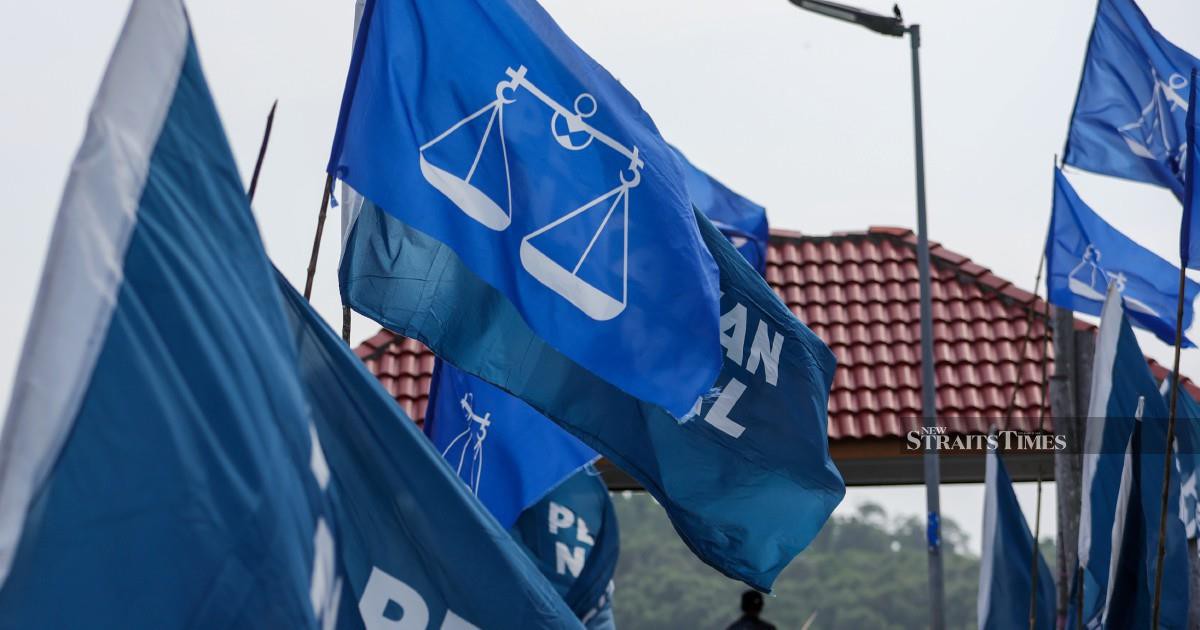
The electoral alliance between Perikatan Nasional and Barisan Nasional for the Negri Sembilan state election materialised with remarkable speed, according to Perikatan Nasional secretary-general Datuk Seri Takiyuddin Hassan. Speaking in Tampin, Takiyuddin disclosed that the two major coalitions had finalised their understanding merely four days before the nomination process began, revealing the compressed timeline within which Malaysia's political machinery can operate when consensus-building becomes urgent.
The compressed negotiation period underscores the fluid nature of contemporary Malaysian electoral politics, where coalitions that might appear entrenched can pivot relatively swiftly when strategic advantages present themselves. Rather than months of groundwork and backroom discussions, the PN-BN accord demonstrated that high-level political agreements can crystallise over days when the mathematics of electoral viability demand it. This approach stands in stark contrast to conventional wisdom about coalition-building, which typically assumes lengthy preparation and extensive stakeholder consultation.
Negri Sembilan has long represented a competitive electoral battleground in Malaysian politics, with no single coalition commanding absolute dominance across all constituencies. The decision to forge an alliance rather than contest separately reflected pragmatic calculations about vote-splitting and seat maximisation. Both coalitions recognised that parallel candidatures would fragment the non-opposition vote, potentially handing seats to competing blocs through a divided electorate. The late timing of formal agreement, however, raised questions about how thoroughly candidate selection and resource allocation could be optimised when preparation time proved so limited.
Takiyuddin's revelation carries implications that extend beyond mere electoral mechanics. The late confirmation suggested that negotiations had progressed through informal channels and preliminary discussions well before the official announcement, with only the formal sealing of the accord occurring four days before nomination day. Such behind-the-scenes engagement is standard practice in Malaysian politics, where public announcement typically follows substantial groundwork conducted away from media scrutiny. The timeline also implied confidence in existing informal understandings about territorial divisions and mutual support.
For Negri Sembilan voters, the compressed timeline raised practical questions about campaign organisation and voter information. With nomination day marking the official commencement of campaign activities, the late formalisation of the PN-BN understanding left candidates and party machinery with minimal time to coordinate messaging, pool resources, or conduct joint campaign events before the electoral process formally commenced. Ground-level party workers often labour under considerable time pressure regardless, but compressed national-level decision-making compounds coordination challenges at the constituency level.
The Negri Sembilan election represented a significant test of Perikatan Nasional's electoral viability following the formation of the Madani government, which had excluded PN from national-level participation despite previous collaborations. The state-level alliance with Barisan Nasional served partly to reaffirm PN's status as a consequential electoral force capable of shaping outcomes through strategic positioning. Conversely, Barisan Nasional's acceptance of PN as a coalition partner in Negri Sembilan signalled willingness to collaborate with the broader opposition ecosystem against what it perceived as greater threats, even when philosophical differences persisted.
The last-minute nature of the accord reflected broader patterns in Malaysian political culture, where elite-level decision-making frequently occurs in concentrated bursts rather than through sustained negotiations. Senior party leadership can often override grassroots preferences and existing structural arrangements when strategic imperatives demand it. This centralised approach to coalition management ensures rapid decision-making but can create implementation challenges when lower-tier party structures have limited preparation time to absorb and execute directives from national headquarters.
Contextually, understanding when and how Malaysian coalitions formalise their arrangements provides insight into the nation's political mechanics. Unlike parliamentary democracies where coalition agreements typically precede elections and receive public scrutiny, Malaysian electoral alliances often remain partly informal, with extensive latitude granted to senior leadership to negotiate terms directly. Takiyuddin's disclosure normalised what many political observers recognised but rarely heard acknowledged: that agreements of genuine national significance can be concluded in remarkably compressed timeframes.
The Negri Sembilan experience also illustrated how state-level electoral calculations can diverge from national political positioning. Perikatan Nasional might maintain distance from Barisan Nasional's federal government while collaborating at state level when local circumstances warrant it. This flexibility, though sometimes derided as opportunistic by critics, enables coalitions to respond dynamically to circumstances that differ significantly across Malaysia's diverse political landscape. State elections effectively function as separate contests with distinct local dynamics, even when operated by actors also competing nationally.
Looking forward, the precedent of late-stage agreement-making suggested that future electoral contests might follow similar patterns, particularly in states where no coalition commands overwhelming numerical dominance. Malaysian political practitioners had demonstrated capacity to negotiate complex arrangements with limited preparation time, provided underlying consensus existed among leadership cadres. The Negri Sembilan model indicated that public uncertainty about electoral alliances might persist until late in campaign periods, as negotiations continue even after campaign machinery has technically activated.

