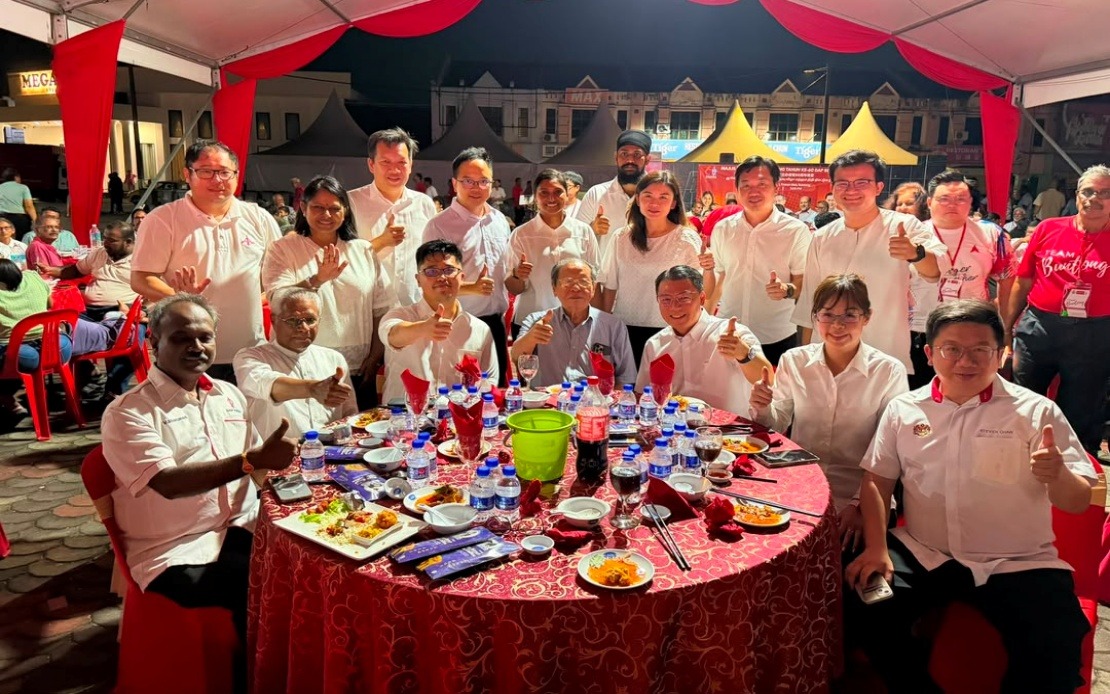
Perak's economy has reached a significant milestone with RM15.2 billion in fresh investments secured during 2025, marking the highest figure in the state's recent investment history. This achievement, coupled with 10.1 million tourist arrivals and the maintenance of a fourth consecutive annual budget surplus totalling RM85 million, underscores what state leadership characterises as the tangible success of the MADANI economic framework in driving regional prosperity. Housing and Local Government Minister Nga Kor Ming highlighted these metrics whilst addressing the DAP 60th Anniversary Dinner in Buntong, emphasising that the results demonstrate the governing coalition's capacity to blend robust economic development with inclusive administration across all demographics.
The budget surplus achievement holds particular significance for Malaysia's administration at state level, where many regional governments struggle to balance expenditure with revenue generation. Perak's ability to maintain surpluses for four consecutive years indicates disciplined fiscal management and prudent resource allocation, even whilst investing in public infrastructure and services. This contrasts sharply with the narrative often presented in national discourse, where some political actors suggest that inclusive governance and sound financial stewardship are incompatible objectives. The Perak experience suggests otherwise, demonstrating that proper administrative systems and transparent procurement can simultaneously advance development goals and safeguard public finances.
The investment figure itself warrants closer examination within the broader Southeast Asian context. As other regional economies grapple with slowing foreign direct investment and manufacturing relocation patterns, Perak's capacity to attract capital reflects growing confidence in the state's institutional stability and business environment. The RM15.2 billion influx supports manufacturing, services, and technology sectors that create employment opportunities across skill levels. For Malaysian readers, this signals that investor confidence extends beyond Klang Valley concentrations, suggesting more balanced regional development across the peninsula.
Tourism receipts present another dimension of economic health. The 10.1 million visitor arrivals to Perak over a single year—encompassing both domestic and international tourists—represent substantial spending within local hospitality, retail, and cultural sectors. This figure is particularly noteworthy given competitive pressures from neighbouring destinations and the ongoing post-pandemic normalisation of travel patterns. The tourism surge reflects effective destination marketing, improved transport connectivity, and likely enhanced visitor facilities across heritage sites, natural attractions, and urban centres.
Nga's framing of these achievements within the MADANI Economy construct merits consideration. The framework emphasises sustainable, inclusive growth that prioritises people's wellbeing alongside conventional economic indicators. By presenting investment and surplus data alongside governance inclusivity claims, the minister argues that development need not sacrifice equity. For Malaysian policymakers across all states, this offers a replicable model: strong financial management enables rather than constrains public spending on education, healthcare, and community services that benefit all citizens regardless of background.
The political subtext of Nga's address reflects ongoing Malaysian debates about governance legitimacy. By contrasting results-oriented administration with what he terms "outdated politics that destroys," the deputy DAP chairman implicitly addresses criticism that Unity Government policies insufficiently prioritise certain constituencies. The argument presented is essentially empirical: look at investment flows, budget surpluses, and visitor numbers as evidence of effective, inclusive administration. This approach—allowing performance metrics to speak for themselves rather than relying solely on rhetorical appeals—represents a distinct political strategy in Malaysian discourse, where identity-based messaging traditionally dominates.
The gathering itself, attended by over 1,500 people including senior figures such as Tan Sri Lim Kit Siang, reflects deep organisational roots and sustained membership engagement within the Democratic Action Party. The presence of multiple state and federal representatives—from Buntong assemblyman M. Thulsi Manogaran to Ipoh Timor MP Howard Lee Chuan How—underscores the interconnected nature of DAP operations across different governance levels. Such events function not merely as celebration but as mechanisms for transmitting organisational narrative to grassroots membership and establishing policy coherence across electoral districts.
For the broader Malaysian economy, Perak's trajectory holds instructive implications. As a mid-sized state neither blessed with extraordinary natural resources nor geographically proximate to major metropolitan centres, Perak's investment attraction demonstrates that patient institutional development and consistent governance messaging can overcome geographic disadvantages. The state's success may encourage other regional administrations to adopt similar fiscal discipline and transparent business practices, potentially raising governance standards across the federation.
The emphasis on maintaining harmony and resisting divisive messaging represents an implicit response to political competitors who mobilise around identity-based grievances. By repeatedly returning to development achievements and inclusive administration, Nga positions the Unity Government as forward-looking whilst characterising alternative approaches as backward-oriented. This rhetorical strategy depends, however, on sustained economic performance and visible benefit distribution across communities. Any perceived concentration of investment gains or unequal access to development opportunities could undermine the inclusive governance narrative.
Looking ahead, Perak's challenge involves sustaining this investment momentum whilst deepening integration with national supply chains and regional markets. The state's strategic position relative to Penang, Selangor, and Kuala Lumpur means that continued economic vitality depends partly on complementing rather than competing with neighbouring economies. The RM15.2 billion annual inflow must translate into stable, well-paying employment and skills development opportunities that retain talent and build productive capacity for long-term competitiveness.
The financial surplus itself carries strategic importance beyond its immediate fiscal comfort. Accumulated surpluses theoretically provide resources for infrastructure investment, emergency contingencies, and cyclical economic downturns. Whether Perak's administration deploys these funds strategically—through human capital development, modern infrastructure, or enhanced service delivery—will determine whether current achievements represent sustainable transformation or temporary prosperity vulnerable to external shocks. The true test of MADANI governance lies not in surplus accumulation but in translating financial health into improved living standards and expanded opportunity across the state's diverse population.

