The Perak state government has committed RM250,000 in dedicated funding to address deteriorating road conditions affecting five indigenous communities in the Sungai Siput parliamentary constituency. According to State Tourism, Industry, Investment and Corridor Development Committee chairman Loh Sze Yee, the initiative targets Kampung Lawai, Kampung Pisang, Kampung Langkor, Kampung Landap and Kampung Asap, where residents have endured persistent infrastructure challenges. The special allocation received formal approval from the Perak Menteri Besar's Office and represents a direct response to longstanding accessibility issues within these settlements.
The deterioration of roads connecting these villages stems from multiple environmental factors compounding over time. Heavy weather events combined with land subsidence have created hazardous conditions that impede daily transportation, restrict access to healthcare and educational facilities, and limit economic opportunities for residents. Such infrastructure deficits particularly affect isolated indigenous communities who depend on reliable road networks to maintain connections with broader economic and social services. By targeting these five specific settlements, the Perak government acknowledges the disproportionate infrastructure gaps facing Orang Asli populations in rural constituencies.
Loh emphasised that the project currently operates within the critical documentation and tender preparation phase. This procedural stage establishes timelines, technical specifications, and contractor selection criteria essential for efficient project execution. The transparency of this process is significant, as it demonstrates systematic governance in resource allocation to marginalised communities. State officials have committed to completing all upgrading and repair works before the conclusion of 2024, suggesting a compressed implementation timeline that reflects political will to expedite improvements.
The infrastructure enhancement initiative occurs within a broader context of regional development efforts. Sungai Siput, as a parliamentary constituency, has experienced varied economic trajectories, and targeted infrastructure investment signals prioritisation of previously underserved areas. For Orang Asli settlements particularly, improved road access catalyses wider development opportunities, enabling better market access for agricultural products, facilitating educational advancement for younger populations, and improving healthcare service delivery. Road quality directly correlates with quality of life indicators in rural indigenous communities.
Beyond immediate infrastructure benefits, this allocation demonstrates evolving governance approaches toward indigenous affairs in Perak. Rather than treating Orang Asli concerns as peripheral issues, the state has positioned road infrastructure enhancement as deserving special government attention. This represents a philosophical shift toward recognising indigenous communities as integral to state development frameworks. Investment in such foundational infrastructure communicates that government serves all constituencies equitably and that marginalised populations merit dedicated resource allocation.
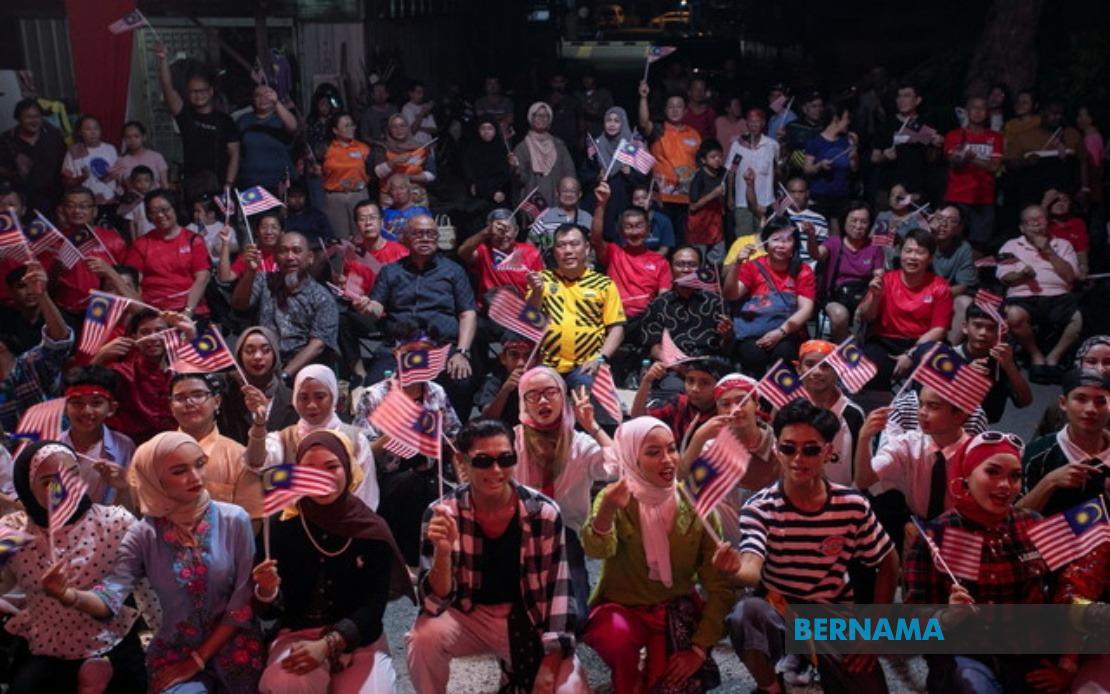
Concurrently, Loh unveiled details regarding the Sungai Siput Heritage Music Vibes Festival, a three-day cultural celebration that commenced on August 21 and extended through August 23. State officials projected approximately 20,000 visitors from across Perak would participate in the event, which integrated traditional and contemporary cultural expressions. The festival framework incorporated over 80 commercial and exhibition booths alongside diverse programming spanning conventional indigenous performances to modern spectacles including fire demonstrations, reflecting deliberate efforts to engage younger demographics whilst preserving cultural heritage.
The festival operated explicitly as a Visit Malaysia 2026 promotional initiative, positioning Sungai Siput as an emerging cultural tourism destination. This integration of local cultural expression within national tourism campaigns demonstrates how regional festivities contribute to broader economic strategies. For constituencies like Sungai Siput, cultural tourism represents genuine economic diversification potential, generating employment across hospitality, retail, and service sectors. Such festivals create platforms for indigenous cultural expressions to reach wider audiences whilst generating revenue for local economies.
The event deliberately emphasised hybrid programming combining traditional and modern elements, a curatorial choice reflecting recognition that cultural relevance requires adaptive presentation without abandoning foundational values. By featuring both indigenous performances and contemporary entertainment simultaneously, organisers signalled that traditional communities possess dynamic, evolving cultures rather than static, museum-like identities. This philosophical positioning carries implications for how Orang Asli communities are perceived within broader Malaysian society, potentially challenging stereotypes that conflate indigenous identity with unchanging tradition.
The festival's explicit connection to National Month celebrations further contextualised cultural initiatives within patriotic frameworks. By linking Sungai Siput's local cultural expression to national-level commemorations, state authorities positioned indigenous heritage as integral to Malaysian national identity. This symbolic elevation of Orang Asli cultural contributions within official state narratives represents meaningful recognition, particularly for communities historically marginalised within dominant cultural hierarchies. The integration signals that celebrating Malaysia's diversity encompasses specific recognition of indigenous communities as culture-bearers and heritage custodians.
Statewide visitation projections for the festival underscore Sungai Siput's evolving role within Perak's tourism infrastructure. Drawing approximately 20,000 visitors across three days demonstrates that regional cultural events can generate substantial economic and social activity, justifying further investment in similar initiatives. For constituencies seeking diversified economic bases beyond traditional primary industries, cultural tourism represents sustainable, community-controlled development pathways. Success of such festivals potentially encourages future cultural programming and infrastructural investments that benefit host communities.
The combination of infrastructure investment and cultural programming reflects integrated approaches to rural development. Road improvements facilitate visitor access whilst enhancing permanent residents' connectivity to regional services. Simultaneously, cultural festivals generate immediate economic benefits and create longer-term tourism brand positioning. Together, these initiatives demonstrate comprehensive development frameworks addressing both physical infrastructure and economic opportunity generation for constituencies like Sungai Siput.
Looking forward, the RM250,000 road allocation and festival programming establish precedents for future initiatives. Successfully completing road upgrades by year-end would validate the special allocation mechanism and potentially encourage similar funding requests from other indigenous settlements facing infrastructure deficits. Similarly, successful cultural festival execution could establish Sungai Siput as a recurring cultural tourism destination, creating sustained economic benefits extending beyond single events.

