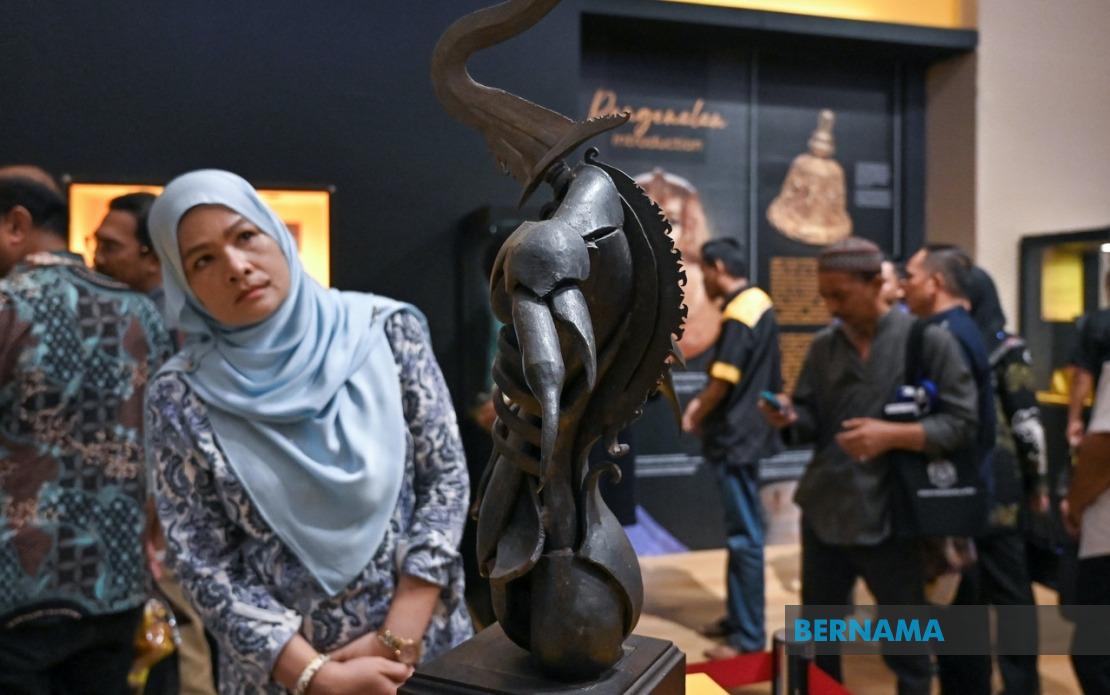
The Perak Museum in Taiping is presenting a comprehensive showcase of Malay metalwork heritage through the 'Magic and Metal: Spirit, Power and Art' exhibition, which brings together 140 pieces of significant historical and cultural importance. Running from June 1 through December 31, the display marks a watershed moment for heritage preservation in Malaysia's museum sector, representing the first time the Perak Museum has assembled such an extensive exhibition centred on metal artefacts and their role in traditional Malay society.
According to Perak Museum director Mohd Nasrulamiazam Mohd Nasir, the exhibition's curatorial framework rests on three interconnected themes that illuminate how metalwork functioned across spiritual, political and aesthetic dimensions within the Malay world. Rather than presenting the objects as isolated antiquities, the exhibition positions metal as a medium through which artisans encoded mystical beliefs, demonstrated power and authority, and expressed cultural identity. This thematic approach reflects contemporary museological practice, which increasingly moves beyond mere object display toward interpretive narratives that help visitors understand the deeper significance of heritage collections.
The ambition underlying this curatorial vision extends beyond the Perak Museum's own holdings. The institution has partnered strategically with private collectors and foundations to enrich the exhibition's scope and depth. Sculpture collections contributed by Raja Syahriman Raja Aziddin sit alongside silver ornaments loaned by Yayasan Al-Amin, while Nor Azahar Ibrahim's collection of traditional Malay weaponry adds another dimension to the display. These partnerships demonstrate how Malaysian institutions are increasingly leveraging private collections to create more comprehensive narratives around national heritage, a model that could yield benefits across the museum sector.
The artefacts themselves span considerable historical depth, anchoring the exhibition in concrete evidence of craftsmanship traditions. Among the most significant pieces is a 19th-century Malay traditional weapon featuring a distinctive snail-shell hilt, once held by the 26th Sultan of Perak, Sultan Abdullah Muhammad Shah II. This object carries layers of meaning: it demonstrates the technical sophistication of Malay metalworkers, documents patterns of royal patronage, and embodies the prestige associated with finely crafted weapons within court hierarchies. Equally noteworthy is an 18th-century suit of Bugis warrior armour, which testifies to the regional nature of metalworking traditions and the cross-cultural exchanges that characterised the Malay archipelago before colonial disruption.
Finer decorative metalwork is also represented, including a spoon and fork set that belonged to Raja Laut Ibni Sultan Muhammad Shah, the second son of the third Sultan of Selangor. Such domestic objects illustrate how metal craftsmanship extended beyond weapons and ceremonial items into everyday material culture, suggesting that sophisticated metalworking techniques served utilitarian as well as symbolic purposes. For Malaysian audiences, these pieces provide tangible connection to pre-modern patterns of consumption and courtly life, offering insights into how elite households organised their material worlds.
The exhibition opened under the auspices of the Department of Museums Malaysia, with Datuk Kamarul Baharin A. Kasim, the department's director-general, officiating the ceremony. This institutional endorsement signals that the exhibition aligns with national heritage priorities and reflects government commitment to strengthening Malaysia's museum infrastructure. The Department of Museums Malaysia has positioned museums as vital centres for knowledge generation, research advancement and heritage conservation, roles that extend beyond traditional cultural functions to encompass educational outreach and community engagement.
The museum has set an ambitious visitor target of 100,000 attendees for the exhibition's six-month run, with nearly 20,000 visitors already recorded in the early weeks. These numbers suggest genuine public interest in Malay material culture and heritage narratives, countering any presumption that contemporary audiences lack appetite for historical exhibitions. For the Perak Museum and Malaysian institutions more broadly, strong attendance validates investment in carefully curated displays and signals that heritage programming can attract diverse visitor demographics.
For Southeast Asian audiences more widely, the exhibition carries relevance beyond Perak's boundaries. Malay metalworking traditions operated within regional networks that connected Malaysia, Indonesia, Brunei and southern Thailand through shared aesthetic conventions, technical knowledge and trade routes. The exhibition thus documents heritage that belongs to broader Southeast Asian cultural memory, not merely to Malaysian national patrimony. Understanding these metalwork traditions illuminates the sophisticated material cultures that flourished in the region before colonial disruption and continues to inform contemporary artistic practice across the archipelago.
The exhibition also reflects broader shifts within Malaysian cultural institutions toward positioning heritage as dynamic rather than static, and toward recognising that understanding the past serves present and future communities. By contextualising metal artefacts within frameworks of spirituality, power and artistic expression, the Perak Museum invites visitors to appreciate how ancestors navigated spiritual concerns, exercised authority, and created beauty through technical mastery. This interpretive approach resonates with contemporary interest in decolonising heritage narratives and centring non-Western epistemologies within museum spaces.

