A senior Perak education official has stepped into a contentious workplace dispute at a school in Chemor, calling for both the administration and an aggrieved teacher to set aside recriminations and work toward resolution. The appeal comes as investigations into allegations of bullying and psychological harassment have been completed, with Datuk Khairudin Abu Hanipah, the Perak Education, Higher Education, Youth and Sports Committee chairman, urging restraint and cooperation from both parties.
The teacher's allegations, which surfaced publicly and gained traction on social media, centre on incidents spanning March to May that she characterizes as workplace bullying, intimidation and emotional distress. Rather than point fingers at either side, Khairudin stressed that both the school administration and the teacher carry legitimate perspectives backed by documentary evidence, necessitating a measured rather than adversarial response. His stance reflects an institutional preference for preserving workplace harmony while ensuring fair treatment, a balancing act that carries implications for how Malaysian schools handle internal conflicts.
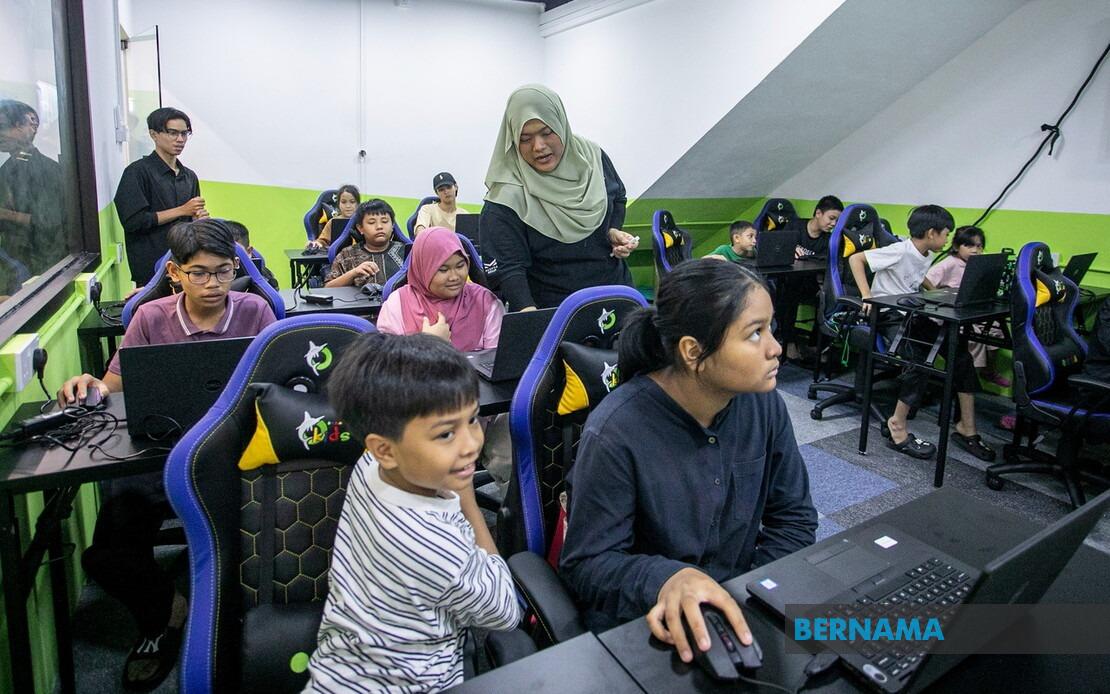
Khairudin's remarks, made while inaugurating the Todak Academy (Perak) Digital Education Hub in Ipoh, underscore the complexity of adjudicating workplace grievances in educational settings. He noted that the school administration operates within defined circulars and departmental procedures, constraints that shape how officials respond to complaints. Simultaneously, he acknowledged that the teacher must navigate the same procedural framework, suggesting that adherence to established protocols—rather than unilateral action—should govern all parties' conduct.
A particularly sensitive aspect of the case involves the teacher's claim that she suffered seizures as a result of workplace stress. Khairudin sidestepped speculation on this matter, insisting that medical corroboration is essential before drawing conclusions. He indicated that the teacher has sought medical treatment and that authorities should await the physician's findings rather than assume causation. This cautious approach reflects awareness that health claims require clinical validation and that premature judgements could undermine the credibility of any final determination.
The Perak Education Department has already submitted its investigation report through the Public Complaints Management System (SISPAA), signalling that the formal inquiry phase has concluded. However, the completion of an internal investigation does not necessarily resolve the underlying interpersonal tensions or address the teacher's grievances to her satisfaction. The question now centres on how education authorities will implement findings and whether the recommendations will satisfy both the affected teacher and school leadership.
Perak Education Director Zulkafli Mohamed Mokhtar reinforced the department's commitment to handling such matters with professionalism and transparency. In a written statement, he emphasized that the Perak Education Department takes all complaints seriously and remains dedicated to safeguarding teacher welfare while maintaining institutional integrity. The department's engagement with the matter since March, encompassing dialogue sessions, operational reviews, and inter-agency coordination, demonstrates an institutional response geared toward sustainable resolution rather than merely closing the file.
The viral spread of this dispute on social media highlights how workplace grievances in educational institutions can rapidly escalate into public controversies, attracting scrutiny that complicates resolution efforts. Public visibility can either pressure authorities to act decisively or create defensive postures that entrench positions further. In this case, the official response appears designed to acknowledge the seriousness of the allegations while preserving institutional reputation and avoiding the appearance of institutional bias against either party.
For Malaysian educational stakeholders, this case raises broader questions about workplace protections and grievance mechanisms in schools. Teachers occupy a vulnerable position, subject to administrative authority yet tasked with maintaining professional composure regardless of working conditions. The emphasis on procedural adherence, while important for consistency, can sometimes feel to aggrieved employees like a mechanism for delay rather than justice. Conversely, schools require operational stability and cannot function if every internal tension becomes litigation.
The Perak Education Department's stated commitment to prioritizing the welfare and well-being of all parties involved suggests an institutional desire to move beyond blame toward constructive engagement. However, the true test lies in implementation: whether the findings from the completed investigation are communicated transparently, whether recommended remedial measures are actually implemented, and whether either party perceives the outcome as fair. In many Malaysian workplace contexts, the gap between stated commitments and actual practice remains substantial.
This case also underscores the importance of preventative measures and training in educational institutions. Workplace bullying in schools affects not only the individuals directly involved but indirectly impacts the school environment, student learning outcomes, and staff morale. Building institutional cultures that actively prevent harassment, rather than merely responding after the fact, represents a more sustainable approach to protecting both teachers and the educational mission.
As investigations conclude and the machinery of institutional decision-making proceeds, the spotlight remains on whether the collaborative approach championed by Perak's education leadership can translate into meaningful resolution. The teacher's credibility and mental health hang in the balance, as does the school's ability to function effectively. The challenge for Malaysian education authorities is demonstrating that procedural fairness and genuine concern for all stakeholders need not be mutually exclusive.

