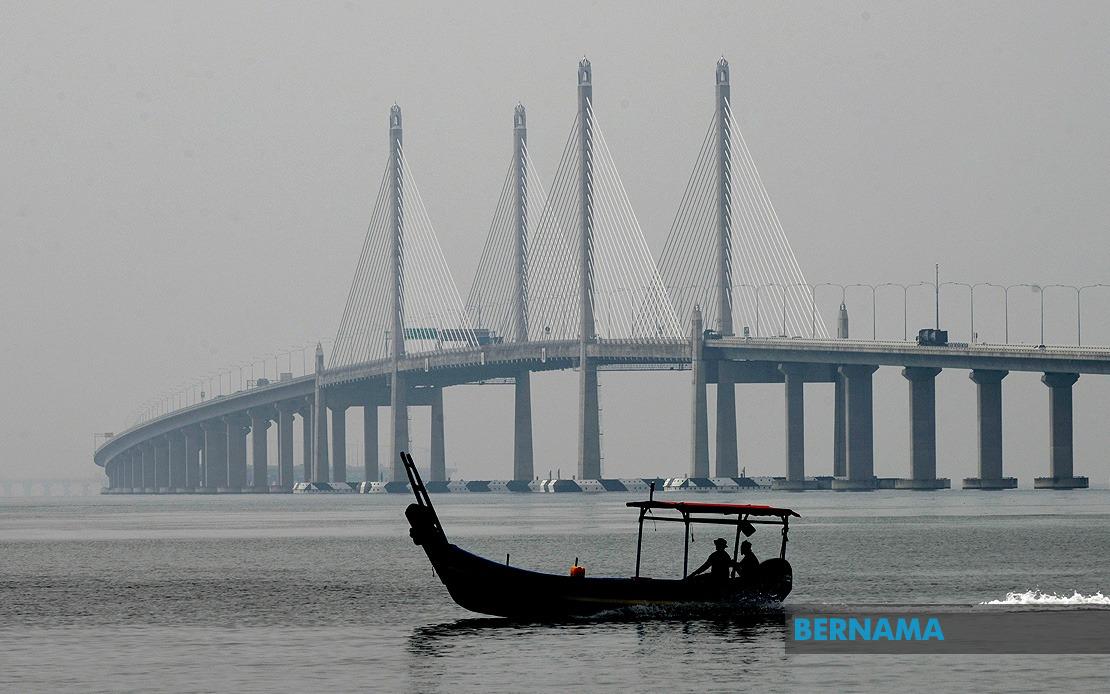
Penang authorities are preparing to convene stakeholder consultations aimed at resolving tensions created by recently enforced fishing restrictions under the Penang Bridge and the Sultan Abdul Halim Mu'adzam Shah Bridge. The upcoming discussions, scheduled for next week, will attempt to forge a compromise that protects critical infrastructure while preserving economic opportunities for communities dependent on maritime operations in these waterways.
Datak Rashidi Zinol, chairman of Penang's Rural Development, Agro-technology and Food Security and Entrepreneurship Committee, confirmed the initiative following complaints raised by fishing and tourist boat operators during recent meetings. The official acknowledged the complexity of the situation, indicating that any resolution must weigh multiple factors including operational safety, legal compliance, and the economic welfare of affected workers and business owners.
The fishing prohibition was implemented after both bridge locations were formally gazetted as restricted areas and classified as National Key Points under the Protected Areas and Protected Places Act 1959 (Act 298). This legal designation reflects the structures' critical importance to Malaysia's transport infrastructure and national security framework. The classification means maritime activities in these zones face stringent regulatory controls, yet the sudden enforcement has created genuine hardship among those whose livelihoods depend on unrestricted access to these waters.
Operators have highlighted significant practical consequences stemming from the ban's implementation. Fishing vessels can no longer operate in traditional grounds beneath the bridges, directly reducing catch volumes and limiting the work available for boat crews. Tourist operators face diminished appeal for excursions that previously utilized these scenic waterway routes, translating into fewer bookings and reduced income. The cumulative effect extends beyond the boating sector itself, affecting suppliers across an interconnected economic chain that has long thrived in the region.
The ripple effects of the restriction penetrate deeper into Penang's informal economy than initial enforcement notices may have anticipated. Ice suppliers who service fishing fleets, equipment retailers selling nets and fishing gear, and food vendors supplying crews and tourists all report declining business. Small family enterprises that depend on seasonal maritime activity now face uncertain futures. These secondary impacts highlight how infrastructure security decisions in Malaysia, while necessary for national interests, can substantially disrupt localized economies without careful implementation planning.
Rashidi's commitment to examining the matter suggests Penang's administration recognizes the political and social costs of the ban without exploring compromise solutions. His framing of the upcoming discussions around finding a "balanced approach" indicates openness to exploring creative possibilities—whether through designated fishing windows, specific permitted zones within the broader restricted area, or alternative economic support for displaced workers. Such flexibility could prove essential in a state where fishing communities hold longstanding cultural and economic significance.
The timing of these consultations carries strategic importance as well. Malaysia's broader maritime security framework has grown increasingly sophisticated in recent years, with numerous ports and waterways subject to enhanced restrictions. Penang's case may establish precedent for how other states manage the tension between security imperatives and economic preservation. A thoughtful resolution here could provide a model for balancing these competing interests elsewhere in the country.
Understanding the legal constraints proves crucial to appreciating the challenge facing Penang officials. Designation under Act 298 represents a high-level security classification that cannot be casually modified. However, regulations administered under such designations sometimes permit exemptions or phased compliance arrangements negotiated between government agencies. Rashidi's next week consultations will likely explore whether such flexibility exists within the current legal framework without compromising the protective intent of the original restrictions.
The tourist boat operators raise an additional dimension worth considering. These services contribute meaningfully to Penang's tourism economy, and restrictions that eliminate or severely curtail their operations may have implications beyond the boat operators themselves. Hotels, restaurants, and other tourism-dependent businesses that benefit from visitor numbers generated by bridge-area excursions could also experience measurable impacts. Tourism authorities may need to engage in the upcoming discussions to fully address these secondary economic consequences.
For Malaysia's broader maritime governance, this situation underscores the importance of stakeholder consultation during the implementation phase of security measures, rather than retroactively attempting resolution after restrictions have caused economic damage. Pre-implementation dialogue with affected communities can identify practical concerns and permit authorities to design enforcement strategies that achieve security objectives while minimizing unnecessary collateral economic harm to vulnerable populations.
Penang's approach of convening formal discussions demonstrates administrative responsiveness to constituent concerns while maintaining commitment to national security frameworks. The state government appears committed to proving that infrastructure protection and community livelihood preservation need not be mutually exclusive objectives. The conversations scheduled for next week will test whether officials can identify practical solutions that satisfy both the legitimate security requirements justifying the ban and the genuine economic hardships it has created for Penang's maritime workers and related businesses.

