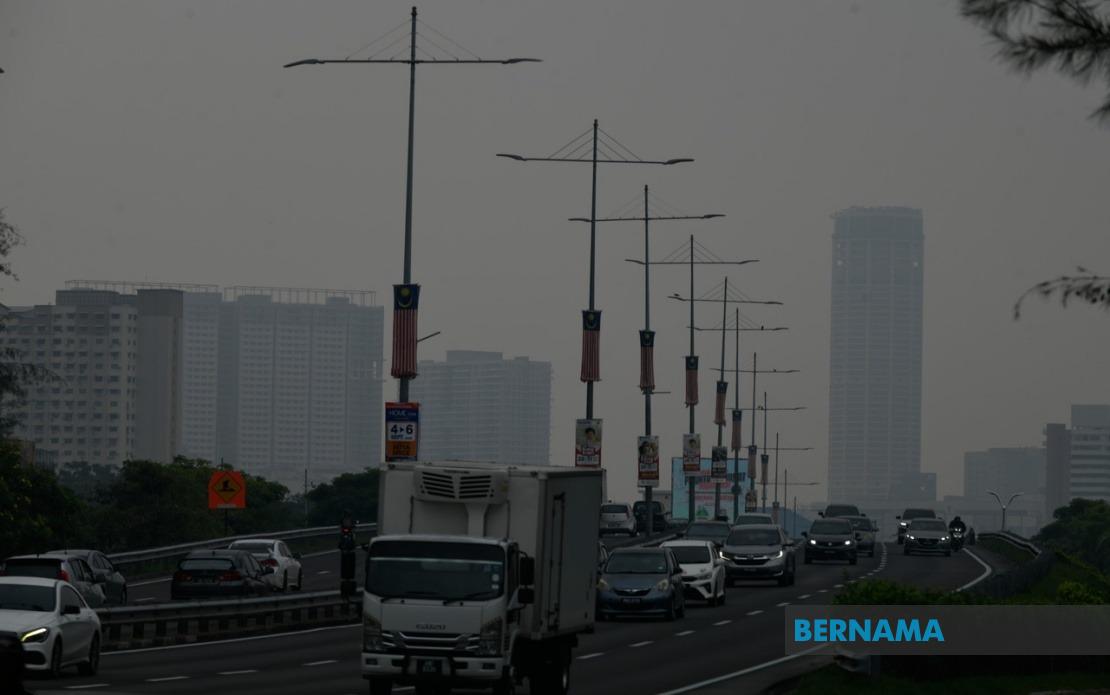
The Penang Education Department has issued comprehensive directives to schools throughout the state, instructing them to heighten their readiness protocols as atmospheric haze conditions continue to deteriorate. The department's move reflects growing concern over air quality deterioration and its potential impact on the health and education continuity for students and staff across Penang's school system.
In response to worsening haze conditions, the education authorities have established a tiered response system based on Air Pollutant Index measurements. When API readings climb above 100, all outdoor educational activities and sports must cease immediately. This threshold represents the point at which air quality becomes unhealthy for vulnerable populations, particularly children whose respiratory systems remain developing. The measure aims to prevent direct exposure to polluted air while allowing schools to maintain regular operations and indoor learning activities.
The escalation protocols become more stringent as pollution levels rise further. Should the API exceed 200, schools are required to shut down completely, sending students and staff home to shelter indoors where air quality is typically better controlled. This represents a significant disruption to educational schedules and reflects the serious health risks associated with moderate-to-high pollution levels. At the most severe threshold of 500 or higher, not only do schools close but teaching and administrative staff are exempted from reporting to work, acknowledging that such extreme air quality conditions pose dangers even during transit to educational facilities.
The Department has tasked all District Education Offices and individual schools with constant monitoring of API readings and environmental warnings issued by relevant authorities. This requires schools to maintain real-time awareness of air quality data and act swiftly when predetermined thresholds are reached. The continuous vigilance approach ensures that decisions to restrict activities or close schools are made promptly rather than delayed, reducing periods during which students might be exposed to harmful air conditions.
Beyond activity restrictions, the education authorities have implemented practical health protection measures across schools. Institutions must maintain adequate supplies of drinking water, as staying hydrated helps the body cope with respiratory stress from polluted air. Schools are also being encouraged to promote increased fluid intake among students and to minimise their time outdoors whenever possible, even when activity restrictions have not yet been triggered. These preventative measures represent commonsense approaches that can reduce the physiological impact of air pollution exposure.
The Department has also recognised that student populations include individuals with pre-existing health vulnerabilities. Schools must pay particular attention to students with chronic health conditions or those exhibiting symptoms of illness, such as respiratory distress or allergic reactions. These students may be at elevated risk during haze episodes and may require modified activities, additional breaks, or indoor alternatives to regular programming. Staff have been instructed to monitor such students closely and provide appropriate support.
Personal protective equipment, particularly face masks, has been identified as an appropriate additional safeguard where circumstances warrant their use. Schools are encouraged to make masks available and to promote their use among both students and staff, though implementation remains flexible depending on individual circumstances and comfort levels. This guidance acknowledges that masks can provide meaningful protection against fine particulate matter if worn correctly, while recognising practical limitations in maintaining mask usage throughout the school day, particularly among younger children.
Coordination and reporting between schools, district offices, and the state education department have been emphasised as crucial components of the response system. Schools must communicate developments in air quality, actions taken in response, and any health incidents that arise to their supervising District Education Offices and to the Penang Education Department itself. This cascading information system enables state-level monitoring and ensures that responses remain coordinated rather than fragmented, facilitating rapid escalation if conditions worsen unexpectedly.
The need for these precautions was underscored by environmental data collected on the day the directive was issued. The Department of Environment recorded unhealthy API readings across 29 locations nationwide, with Penang areas including Minden, Seberang Perai, and Balik Pulau among the affected zones. These figures demonstrate that haze is not a theoretical concern but an immediate reality impacting air quality across multiple population centres.
For Malaysian policymakers and educators, the Penang directive represents a practical framework for balancing educational continuity against health protection during transboundary air pollution episodes. Such haze events, often linked to regional agricultural burning practices, occur with increasing regularity and severity. Schools across Southeast Asia face similar challenges, making protocols like Penang's a potential model for other jurisdictions wrestling with how to protect student populations while maintaining educational progress. The tiered approach based on measurable air quality metrics provides clarity for decision-making and removes subjective judgment, potentially reducing disputes about whether school closures are justified.
The education department's emphasis on preparedness rather than reactive crisis management also signals a maturation in how Malaysian institutions approach environmental health challenges. Pre-positioning drinking water supplies, training staff to recognise health symptoms related to air pollution, and establishing clear communication chains represent proactive rather than emergency responses. As climate patterns shift and transboundary pollution becomes more frequent, such systematic preparation may become a standard operational requirement for schools across the region.

