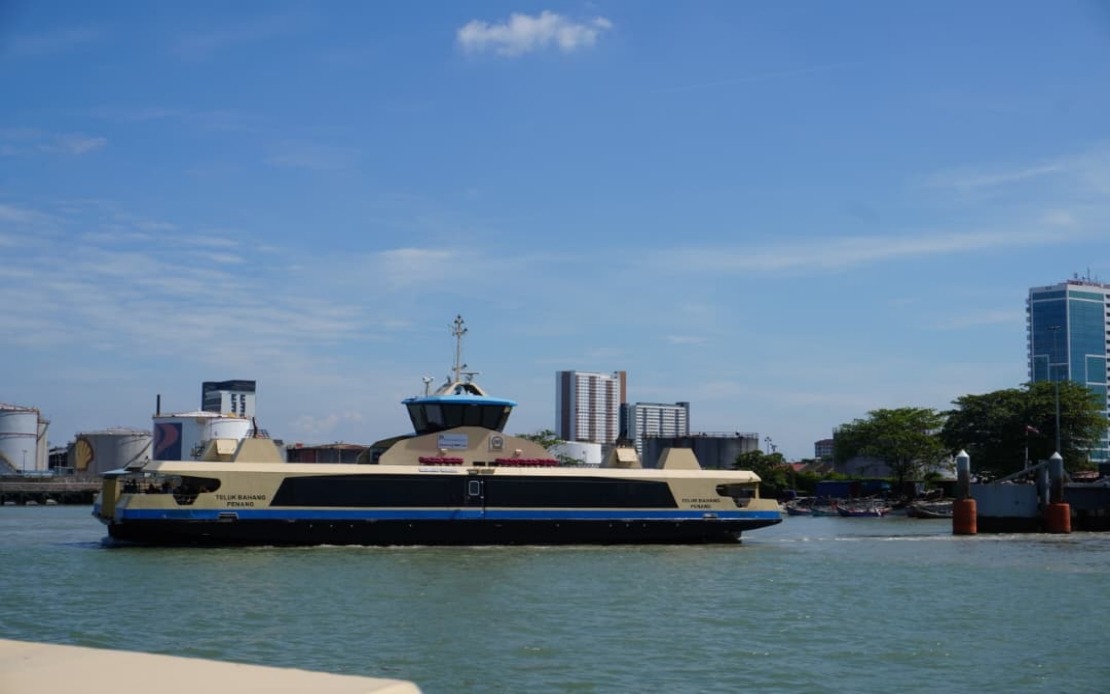
Penang's transport authorities are rolling out complimentary ferry services for Malaysian travellers on August 31, aligning the gesture with the country's Independence Day festivities. The move, coordinated between Penang Port Commission (SPPP) and its operational partner Penang Port Sdn Bhd (PPSB), represents a strategic effort to support national celebrations while simultaneously addressing broader mobility challenges facing the state's residents and visitors.
According to Datuk Yeoh Soon Hin, who heads SPPP, the initiative underscores a shared commitment by both entities to enhance accessibility for Malaysians navigating the Strait of Malacca. By waiving fares across both ferry terminals—Sultan Abdul Halim Terminal in Seberang Perai and Raja Tun Uda Terminal in George Town—authorities aim to create a seamless travel experience on what is historically one of the busiest days for domestic celebration and movement throughout Malaysia.
The financial impact on individual users is substantial. Pedestrians ordinarily pay RM2 per one-way crossing, while motorcyclists and bicycle riders face a RM2.50 charge. Over the course of a round trip, a pedestrian saves RM4, and two-wheeled vehicle operators save RM5, creating meaningful incentives for those considering their travel options during the holiday period. For families and commuters planning day trips or extended celebrations across the Strait, these cumulative savings can influence transport choices significantly.
Historical data from previous National Day celebrations provides insight into the service's reach and importance. During last year's festivities, nearly 9,200 pedestrians made use of the ferry crossing, alongside almost 1,900 motorcycle and bicycle users. These figures demonstrate the ferry's role as a genuine component of Penang's transport ecosystem, particularly for those seeking alternatives to congested roadways and vehicular bridges that can become bottlenecks during peak holiday periods.
Beyond the immediate cost savings, SPPP emphasises that the free service initiative addresses environmental and infrastructural concerns. Traffic congestion around Penang, particularly during national holidays, creates cascading effects on air quality, commute times, and overall urban livability. By reducing vehicular traffic and encouraging modal shift toward public transport, the ferry—one of Southeast Asia's busier passenger crossings—supports broader sustainability objectives while demonstrating practical commitment to congestion mitigation strategies.
The timing of this announcement, made on August 28, provides Malaysian residents with advance notice to plan their celebrations. Unlike last-minute policy shifts that can create confusion, this lead time allows commuters, families, and businesses to factor the free service into their August 31 schedules. For employers, students, and organised groups planning coordinated celebrations, the predictability itself becomes valuable.
Interestingly, SPPP is leveraging the occasion to mark its own milestone. The commission is entering its 70th year of operations—a platinum jubilee—and has partnered with the Penang Ferry Museum to extend festive engagement beyond simple fare waivers. Through the 'Kids Go Free Merdeka Special' campaign, Malaysian children aged 12 and under receive complimentary admission to the museum from August 29 through 31. This three-day window allows families with young children to experience transport heritage while celebrating independence, embedding educational value within holiday activities.
For Malaysian policymakers observing Penang's approach, the initiative offers a model for how state-level entities can use cultural moments—national holidays—as opportunities for broader public policy objectives. Rather than viewing National Day as merely a celebration day, Penang has positioned it as an occasion to trial and promote sustainable transport adoption. Whether this temporary measure generates sustained behaviour change, with some users continuing to prefer ferries even after fares resume, remains an open question for transport planners.
The ferry crossing itself holds regional significance beyond Penang. As a cross-strait link connecting Penang Island with Seberang Perai, it serves thousands daily, including workers, students, and commercial users. Any initiative affecting its usage patterns influences broader economic activity and mobility patterns across northern Malaysia. Enhanced awareness of ferry availability, driven by the free service promotion, may introduce commuters to scheduling, comfort levels, and reliability perceptions that influence their long-term transport preferences.
From a Southeast Asian perspective, Penang's manoeuvre reflects growing recognition among regional transport authorities that public engagement with sustainable mobility requires both incentives and cultural programming. Indonesia's similar holiday-period transit subsidies and Thailand's transport promotions during festival periods suggest a regional trend toward using celebratory moments for environmental and infrastructural objectives. For Malaysian observers, Penang's integrated approach—combining fare relief with museum access and heritage promotion—demonstrates how heritage and contemporary sustainability concerns can reinforce rather than compete with each other.

