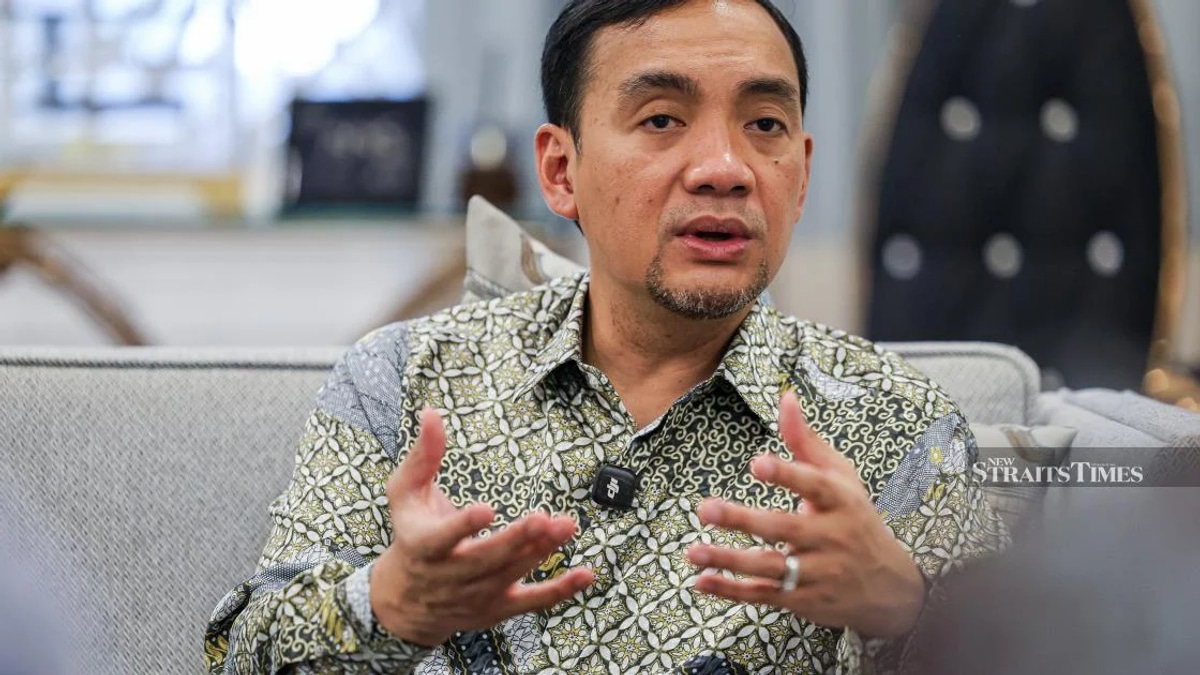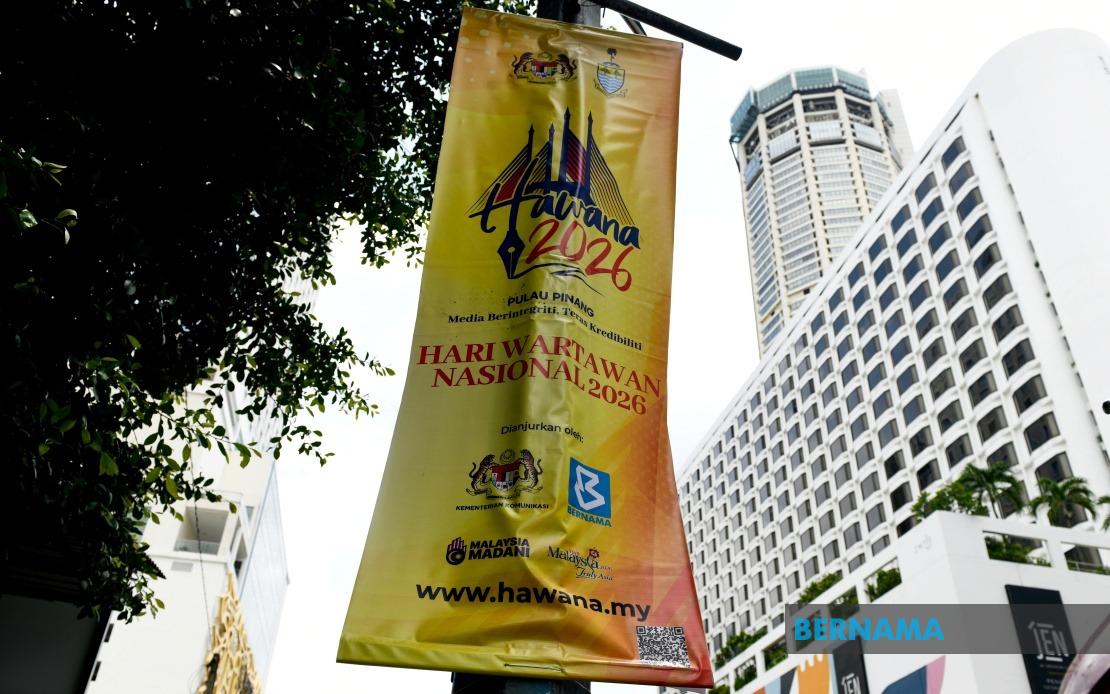
Chief Minister Chow Kon Yeow has expressed the Penang State Government's optimism that the HAWANA 2026 National Journalists' Day celebration will demonstrate the media's integral role in Malaysian society and deepen public appreciation for journalistic work. Speaking in George Town on June 18, Chow outlined extensive preparations undertaken by state authorities to ensure the event proceeds without complications, emphasizing collaborative coordination with the federal Communications Ministry over the preceding two to three months.
The centrepiece of the HAWANA 2026 programme is a summit scheduled for Saturday at PICCA Convention Centre @ Butterworth Arena, preceded by a media dinner on Friday with Penang Governor Tun Ramli Ngah Talib. Prime Minister Datuk Seri Anwar Ibrahim is slated to officially open the summit on June 20, conferring high-level political significance on the occasion. The summit itself is projected to convene approximately 1,000 media professionals from Malaysia and international locations, creating a forum for dialogue around contemporary journalism challenges and best practices.
Operating under the central theme "Media Integrity Strengthens Credibility," the HAWANA 2026 initiative has been structured by the Ministry of Communications with the Malaysian National News Agency (Bernama) serving as the primary implementing body. This organisational framework reflects government commitment to formally recognising the dedication, resilience and professionalism demonstrated by the country's journalism workforce. The event thus functions both as a celebration and a platform to address broader questions about media standards and public trust in news institutions.
Parallel to the main summit, the RIUH Pi HAWANA Carnival will operate for three consecutive days at the same venue beginning Friday, establishing a broader public engagement dimension to the festivities. Organisers anticipate the carnival will draw approximately 30,000 visitors across its operational period, transforming the celebration from an industry-focused event into a community-oriented experience. This hybrid approach reflects recognition that strengthening media credibility requires not only intra-professional dialogue but also public understanding of journalistic processes and values.
The carnival programming encompasses diverse attractions designed to appeal to general audiences. More than 24 local creative product brands have secured booth space, alongside 20 food and beverage vendors, providing a marketplace atmosphere that blends commerce with cultural engagement. Beyond retail elements, the carnival offers interactive workshops enabling visitors to participate directly in creative activities, moving participants from passive spectators to active learners exploring the creative industries ecosystem.
Entertainment forms another substantial component of the carnival experience. Organisers have programmed 16 free stage performances featuring established Malaysian artists including Exists, Bunkface, Masdo, Sakura Band, Budak Nakal Hujung Simpang and Chelsea Ng. This entertainment lineup underscores the interconnections between media, music and creative expression, suggesting that journalism functions within a broader cultural landscape rather than in professional isolation. The inclusion of diverse musical genres appeals to different demographic segments within the anticipated 30,000-person attendance.
For Penang specifically, hosting HAWANA 2026 represents an opportunity to position the state as a media and creative industries hub within Malaysia's regional economy. The state's geography, with Butterworth as a northern gateway location, places the event at a crossroads accessible to audiences from across Peninsula Malaysia and potentially Singapore. This geographic positioning, combined with Penang's established reputation as a creative and tech-forward centre, aligns the celebration with broader state development narratives.
The emphasis on media integrity within the summit's thematic framework reflects contemporary global anxieties regarding misinformation, sensationalism and declining public trust in news institutions. By centering credibility as the summit's organising principle, Malaysian authorities signal commitment to professional journalism standards at a moment when media landscape disruption challenges traditional gatekeeping functions. For Southeast Asian practitioners, the summit offers valuable peer exchange regarding how regional journalists navigate these pressures while maintaining public service orientations.
Chow's statement regarding state government contributions to the event's success indicates allocation of resources and political capital toward supporting the journalism profession. This institutional backing provides concrete evidence that Malaysia's political leadership recognises media's systemic importance, a message carrying significance across the region where press freedom and government relations remain contested. The state's proactive coordination across multiple government agencies demonstrates integrated policy approaches to cultural and professional development.
Looking beyond the immediate celebration, HAWANA 2026 establishes precedent for how Malaysia recognises media contributions and engages professionals around industry standards. The event's magnitude—drawing international participants alongside domestic practitioners—positions Malaysia within global journalism networks while affirming regional media leadership. For Malaysian newsrooms grappling with technological disruption, audience fragmentation and commercial pressures, the recognition and peer engagement fostered by such gatherings provides professional reinforcement and community.