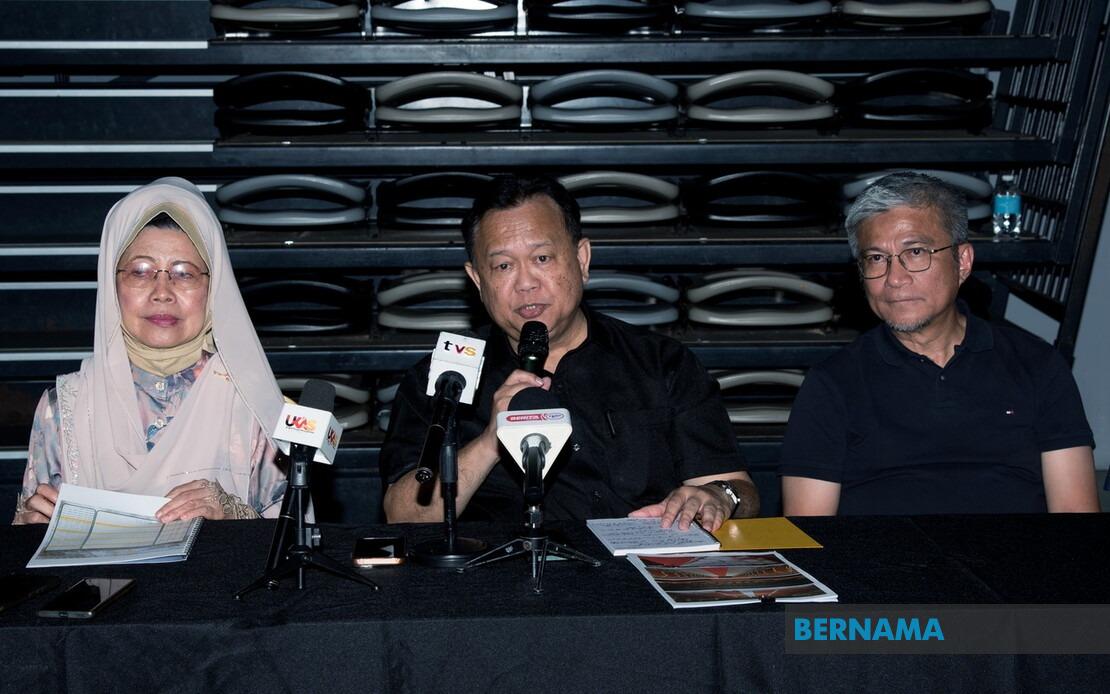
The Parti Pesaka Bumiputera Bersatu Sarawak (PBB) will bring together more than 3,000 party delegates at the Sibu Indoor Stadium on July 26 for its Central Zone Special Convention, marking a significant gathering ahead of similar conventions planned for other zones throughout the year. The convention will see participation from representatives spanning 24 branches across the central zone, reflecting the party's consolidated grassroots structure and organisational reach across the region.
According to Datuk Seri Alexander Nanta Linggi, who holds the position of PBB secretary-general, the central zone has been selected to lead the party's special convention schedule this year. The sequencing of these regional gatherings follows a deliberate plan, with the southern, Betong and northern zones scheduled to conduct their own conventions subsequently. This staggered approach allows the party to systematically address its membership and coordinate messaging across Sarawak's diverse communities and districts.
The groundwork for the convention progressed steadily with an organising committee meeting convened in Sibu to oversee logistical preparations and ensure the event proceeds without complications. The coordination effort reflects the scale of the undertaking, requiring detailed planning to accommodate thousands of participants and facilitate meaningful engagement around substantive policy matters.
The convention agenda carries considerable political significance, particularly regarding Malaysia Agreement 1963 (MA63), which continues to shape Sarawak's constitutional position and relationship with the federal government. A dedicated presentation on MA63 will feature prominently, underscoring the agreement's enduring importance to Sarawak's political discourse and the PBB's commitment to advancing discussions on constitutional matters that affect state autonomy and federalism.
Party strategists will also spotlight the Post COVID-19 Development Strategy 2030 (PCDS 2030), positioning economic recovery and long-term growth as central concerns for the party's direction in the coming years. This framework reflects how Sarawak's political leadership is contemplating the state's trajectory beyond pandemic-induced disruptions, emphasising infrastructure, investment and development priorities that resonate with constituents across the state.
Beyond these headline topics, the convention will explore a wider spectrum of political issues affecting the state and national landscape. The breadth of discussion topics indicates that PBB views the gathering as an opportunity to align party cadres around multiple policy fronts and build consensus on strategic priorities heading toward subsequent electoral cycles.
Sarawak Premier Tan Sri Abang Johari Tun Openg, who simultaneously serves as PBB president, will formally inaugurate the convention and address the assembled delegates. His keynote remarks will carry particular weight, as his dual leadership roles enable him to articulate connections between state-level governance and party-level strategy. The premier's address typically frames contemporary challenges and opportunities through both governmental and partisan lenses, reinforcing the party's centrality to Sarawak's political establishment.
For Malaysian observers and analysts tracking Sarawak politics, the convention signals PBB's ongoing consolidation of its position as the dominant political force in the state. The party's ability to mobilise thousands of delegates and maintain disciplined internal structures demonstrates organisational capacity that has sustained its dominance across multiple electoral cycles. The convention also reflects broader patterns within Malaysian federalism, where state-based parties like PBB retain substantial autonomy over their internal affairs and strategic direction.
The gathering occurs against a backdrop of evolving federal-state relations, particularly regarding constitutional interpretation and resource distribution. Discussions around MA63 at the convention will likely echo broader Sarawakian concerns about autonomy, as debates continue between state government and federal authorities over implementation of various provisions. The inclusion of this topic signals that PBB remains attentive to constituencies that value Sarawak's distinctive constitutional position within Malaysia.
The Post COVID-19 Development Strategy component reflects Sarawak's pivot toward economic reconstruction following pandemic impacts on global markets, tourism and supply chains. The state's exposure to commodity price fluctuations and its dependence on sectors like timber, palm oil and liquefied natural gas make medium-term development planning essential for policymakers seeking to diversify economic foundations and create sustainable employment.
For the broader Southeast Asian region, Sarawak's internal political dynamics merit attention as an example of how state-level political institutions function within federal frameworks. PBB's convention exemplifies how Malaysian states exercise considerable autonomy over party structures and political messaging, reflecting constitutional arrangements that distinguish Malaysia's federalism from more centralised regional counterparts.
The convention's timing and scale suggest that PBB leadership is investing in party renewal and member engagement as part of preparations for future electoral contests. By bringing together such large delegate bodies and conducting structured policy discussions, the party demonstrates commitment to maintaining internal cohesion and ideological alignment among its membership base across disparate communities.

