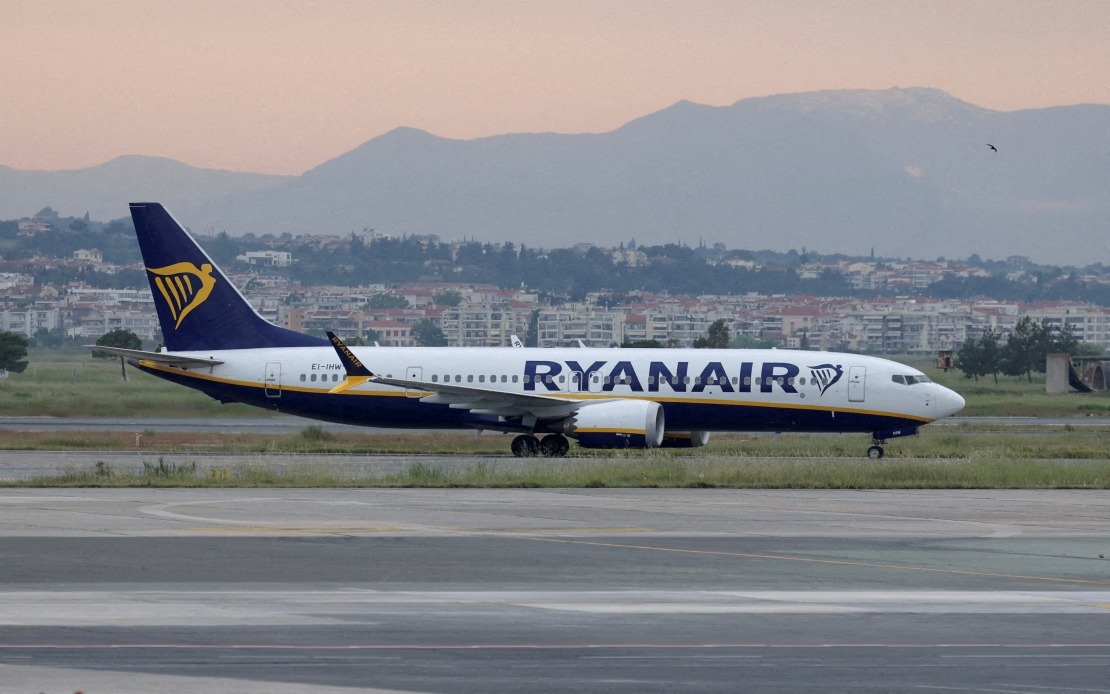
Chaos unfolded aboard a Ryanair aircraft on Friday when structural failure forced an immediate diversion back to its originating airport. The incident occurred during a flight departing Thessaloniki, Greece, bound for Memmingen in southern Germany, when a window pane suddenly fractured with what passengers described as a deafening noise. The sudden breach created alarming moments in the cabin as oxygen masks automatically deployed and travellers began screaming in response to the unexpected emergency.
According to eyewitness accounts relayed to media outlets, the passenger seated nearest the damaged window sustained injuries in the incident. An account provided to Greek broadcaster ERT painted a particularly dramatic picture, with one observer describing how the affected passenger's head and shoulders were partially protruding from the broken window opening. The proximity and severity of the situation made the moment exceptionally perilous, as the individual was exposed to the pressurized aircraft cabin environment at cruising altitude.
The response from nearby passengers proved crucial to the outcome. Rather than remaining frozen by panic, fellow travellers acting with considerable presence of mind managed to physically pull the injured man back into the aircraft cabin. Their quick action likely prevented a far more catastrophic scenario from unfolding. Videos subsequently shared across social media platforms captured the chaotic aftermath, showing oxygen masks hanging in the cabin and visibly frightened passengers responding to the emergency.
The flight crew responded swiftly to the structural failure. Upon recognizing the severity of the window breach and the danger it posed to everyone aboard, the pilot made the decision to abort the journey to Memmingen immediately. The aircraft turned back toward Thessaloniki Airport, where it had originated just moments earlier. The emergency return flight took approximately twenty minutes, during which the crew and passengers endured considerable anxiety about the integrity of the aircraft.
Emergency services were standing by upon landing. The Serbian national who had been injured when the window shattered was removed from the aircraft and transported directly to a hospital in Thessaloniki for medical assessment and treatment. The full extent of his injuries has not been publicly disclosed, though he had evidently sustained enough trauma to require hospital care following the incident.
The aviation industry and relevant authorities wasted no time in launching a formal investigation into the structural failure. While the cause of the window shattering remains unknown at present, such incidents are taken with utmost seriousness given their potential to compromise aircraft safety. Investigators will likely examine factors ranging from manufacturing defects and fatigue in the window assembly to potential impact damage or environmental stressors that may have contributed to the failure.
Neither Ryanair nor the Greek aviation authorities have yet issued comprehensive official statements regarding the incident. The lack of immediate comment is typical during the initial investigation phase, when agencies prefer to gather facts before addressing the public. However, the silence has left many questions unanswered about exactly what caused the window to fail and whether there are any broader safety concerns affecting similar aircraft or components.
For Malaysian and Southeast Asian travellers, such incidents serve as stark reminders of the inherent risks in aviation, albeit rare ones. Modern commercial aircraft undergo rigorous safety protocols and design redundancies specifically to prevent single failures from becoming catastrophic. The fact that this incident did not result in fatalities or more severe injuries reflects both the structural robustness of contemporary aircraft design and the responsiveness of crew and fellow passengers to emerging crises.
The Ryanair incident also raises questions about the maintenance and inspection standards applied to aircraft windows across the low-cost carrier industry. Window assemblies are critical structural components that undergo specific stress loads during flight. The investigation will likely scrutinize whether the window was properly maintained and whether any warning signs of weakness or defects had been missed during routine inspections.
Passenger confidence in aviation safety depends heavily on transparent investigation processes and timely release of findings. The authorities in Greece and Ryanair will need to communicate their findings publicly once the investigation concludes, explaining what went wrong and what measures are being implemented to prevent recurrence. Such transparency is essential for maintaining public trust in the safety of air travel.

