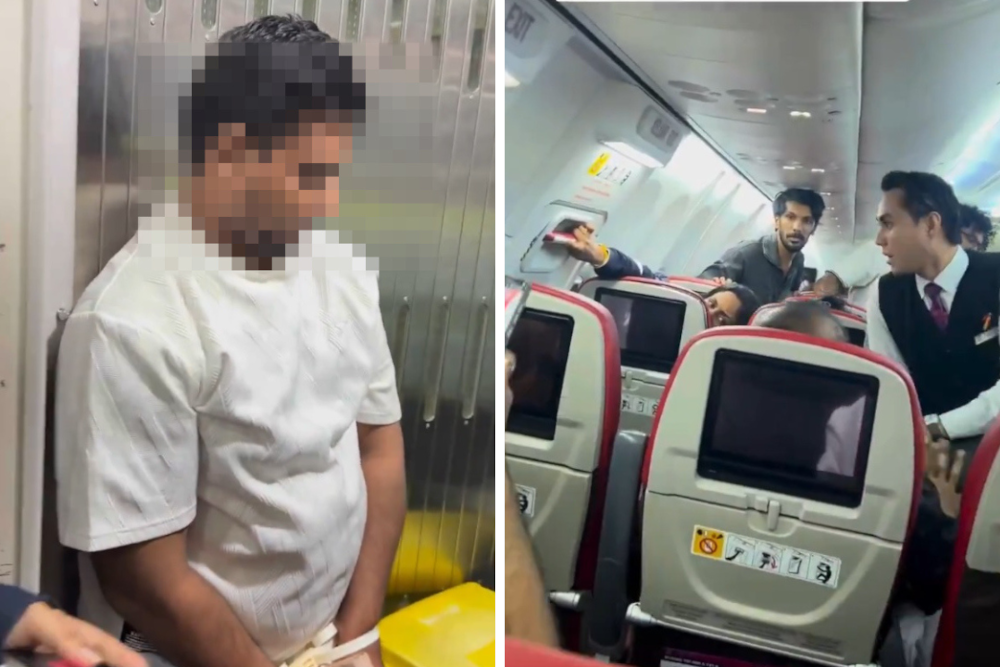
A disturbing aviation security incident unfolded above South Asian airspace when a male passenger was apprehended after allegedly trying to open an emergency exit door on a Batik Air flight travelling from Malaysia to India. The incident, which occurred at a cruising altitude of 9,144 metres, prompted swift intervention from crew members and triggered an investigation by relevant authorities upon the aircraft's landing.
The arrest underscores growing concerns about in-flight security and passenger behaviour across Southeast Asian carriers. While Batik Air officials have not released extensive details about the circumstances, the incident highlights the critical importance of pre-flight screening procedures and the constant vigilance required by flight crews operating in the region's busy airspace. Such occurrences, though comparatively rare, can pose significant risks to aircraft safety and passenger wellbeing at high altitude.
Emergency exit doors on commercial aircraft are engineered with multiple safety mechanisms precisely to prevent accidental or deliberate opening during flight. At cruising altitude, the aerodynamic pressure differential between the cabin interior and the external atmosphere makes manual opening of such doors virtually impossible without triggering alarms and alerting crew members. Nevertheless, any attempt to manipulate emergency equipment represents a serious breach of aviation safety protocols and federal regulations governing air travel.
The swift response demonstrated by Batik Air crew members reflects industry-wide training standards for handling unusual passenger behaviour and security threats. Flight attendants and pilots undergo regular instruction on recognising potentially dangerous situations and responding with appropriate intervention and communication to ground control. The crew's ability to contain the situation and safely continue the flight to its destination demonstrates the effectiveness of these preparedness measures.
Malaysia's aviation authorities, including the Civil Aviation Authority of Malaysia, work continuously with regional partners and international bodies to maintain security standards across commercial aviation. Incidents involving passenger misbehaviour or threats to aircraft safety are treated with utmost seriousness, as they carry implications for the safety of everyone aboard and could result in criminal charges under Malaysian and international aviation law.
The passenger's arrest following landing at the destination airport followed standard protocols for handling individuals suspected of endangering flight safety. Depending on the jurisdiction where the aircraft ultimately landed and local legal frameworks, the individual may face charges that could include attempting to endanger the safety of an aircraft or its occupants. Such offences carry potentially severe penalties reflecting the gravity of threatening aviation security.
Batik Air, as Malaysia's largest low-cost carrier and a subsidiary of Malaysia Airlines, maintains safety as its primary operational standard. The airline has established comprehensive procedures for crew training, passenger screening, and emergency response protocols aligned with international civil aviation regulations. The incident, while notable, appears to have been contained swiftly without endangering the safety of the 300-plus passengers typically carried on such regional routes.
Regional carriers and international aviation bodies continually analyse incidents of this nature to identify patterns and implement preventative measures. Understanding the motivations behind passenger misconduct—whether stemming from medical emergencies, psychological distress, or deliberate intent—helps inform enhanced screening and in-flight monitoring procedures. Mental health support services and proper identification of at-risk passengers represent important elements of modern aviation safety frameworks.
The incident also reflects broader challenges facing airlines operating across South and Southeast Asia, where passenger volumes continue expanding amid rapid regional development. Meeting the demands of growing air travel while maintaining stringent security standards requires ongoing investment in training, technology, and coordination between multiple stakeholders including airport operators, ground services, and civil aviation authorities.
For Malaysian travellers and regional passengers, such incidents may raise questions about personal safety during air travel. However, aviation remains statistically one of the safest forms of transportation globally, and the swift response to security threats demonstrates that established systems work effectively. The existence of multiple layers of safety measures—from pre-flight screening to cockpit security protocols to well-trained crew intervention—provides substantial reassurance.
The incident will likely prompt Batik Air to review and reinforce safety briefing procedures and crew response training protocols. Airlines continuously learn from operational experience to enhance passenger and crew safety. Enhanced communication with passengers about the serious consequences of interfering with aircraft safety equipment may also form part of post-incident responses.
As investigations proceed through appropriate legal channels, this case serves as a reminder of the importance of maintaining security vigilance in aviation. Both passengers and airline personnel bear responsibility for maintaining a safe flight environment. Cooperation between travellers, crew members, and security authorities remains essential for ensuring that air travel in Malaysia and across Southeast Asia continues to operate securely and reliably for millions of annual passengers.

