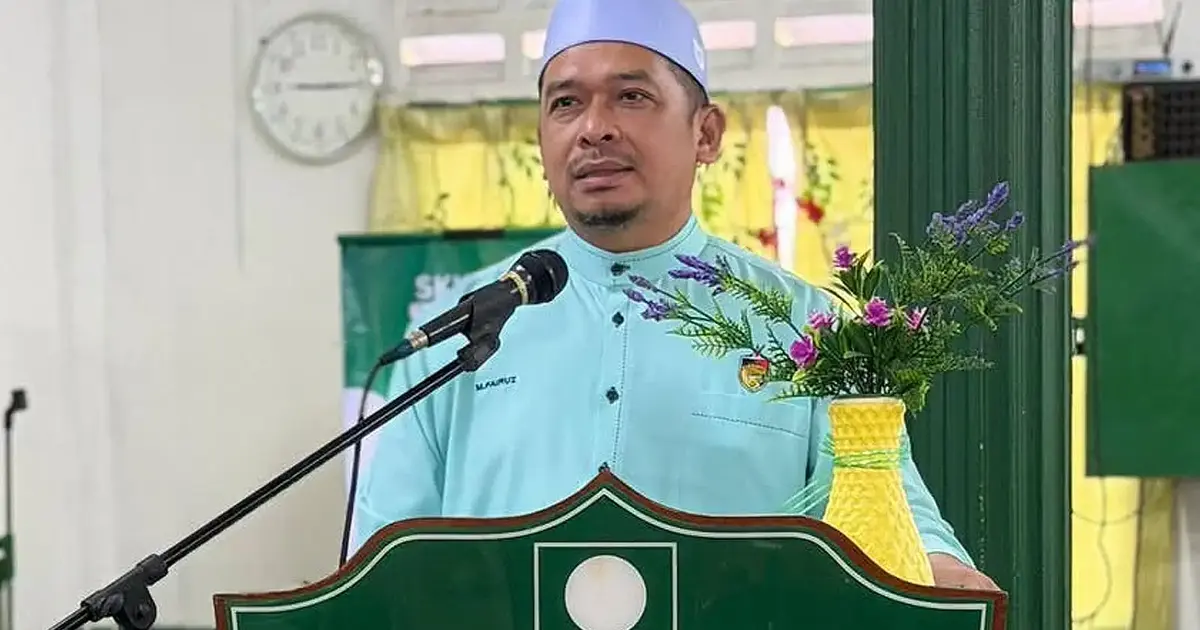
PAS is sharpening its competitive approach in Negeri Sembilan by pursuing a deliberate strategy to contest seats currently held by DAP in districts where Malay voters form a significant demographic bloc. State PAS chief Fairuz Isa has disclosed that the party is concentrating its campaign efforts on constituencies where Malays constitute approximately 40 percent of the electorate, effectively challenging what has long been viewed as DAP's electoral territory in the state.
This tactical shift reflects a broader realignment within Malaysia's opposition landscape as parties reassess their electoral positioning following recent political developments. For decades, DAP has maintained robust representation in Negeri Sembilan through careful constituency work and community engagement, particularly in urban and semi-urban centres. The party's electoral dominance in certain areas has become sufficiently entrenched that many observers regarded these seats as largely beyond the reach of rival opposition parties. However, PAS's calculated targeting of constituencies with substantial Malay populations suggests confidence in its ability to mobilise voters in these specific demographic zones.
The strategic significance of Fairuz Isa's announcement extends beyond simple electoral competition. It indicates that PAS believes demographic shifts and evolving voter preferences create openings in seats that DAP has historically assumed were secure. By focusing resources on constituencies where Malay voters comprise around 40 percent of the registered electorate, PAS is essentially identifying communities where its messaging around Islam, Malay-Muslim interests, and religious governance may resonate more effectively than DAP's secular, multiracial platform. This represents a fundamental challenge to the political equilibrium that has characterised state politics for the past decade.
Negeri Sembilan has traditionally served as a testing ground for Malaysian political dynamics, given its diverse ethnic composition and relatively balanced urban-rural split. The state encompasses constituencies ranging from predominantly Malay agricultural areas to Chinese-dominated commercial zones and mixed Indian communities. DAP's success in the state has rested partly on its ability to construct broad-based coalitions that transcend ethnic lines, particularly by securing support in areas where Chinese voters hold substantial numerical weight while simultaneously winning over progressive urban Malays. The PAS strategy directly targets the latter group, seeking to peel away voters who might otherwise support DAP's vision of secular, plural democracy.
Fairuz Isa's declaration also underscores the ongoing competition within Malaysia's Islamist political space. While PAS and UMNO have historically dominated Malay-Muslim political representation, the emergence and evolution of other parties, combined with generational changes in voter preferences, have created opportunities for repositioning. PAS's focus on specific constituencies where Malay voters comprise a critical mass suggests the party has conducted sophisticated demographic analysis to identify swing constituencies amenable to Islamist messaging. This level of targeted campaigning represents a significant evolution from earlier, broader-brush electoral strategies.
For DAP, the announcement signals that it cannot take Negeri Sembilan constituencies for granted. While the party maintains organisational strength and considerable goodwill in certain areas, the competitive landscape is shifting. DAP's response will likely involve intensified grassroots engagement, particularly focused on reminding Malay voters of the party's commitment to multiracial governance, secular law, and inclusive economic opportunity. The party may also seek to highlight any policy successes it has achieved at state or federal level that have benefited constituents, regardless of ethnicity.
The broader implications of this electoral repositioning extend to Malaysian federalism and power-sharing arrangements. Negeri Sembilan's composition within larger Pakatan Harapan or opposition coalitions could shift substantially if PAS makes significant inroads into seats currently held by DAP. Such changes would alter internal coalition dynamics and potentially affect how opposition parties negotiate ministerial portfolios, legislative committee assignments, and policy direction at state level. For voters in the state, increased competition could translate into more vigorous campaigning, more frequent political engagement, and potentially greater attention to local development issues as parties vie for attention.
PAS's strategy also reflects the party's broader ambitions within Malaysia's opposition landscape. Having experienced both federal power-sharing and periods in opposition, PAS has cultivated expertise in identifying demographic opportunities and tailoring messaging to specific constituencies. The focus on Negeri Sembilan constituencies with approximately 40 percent Malay populations suggests the party believes these areas represent an under-utilised political resource where Islamist politics remains relatively untapped compared to urban, Chinese-dominated constituencies or exclusively rural, heavily Malay zones.
The timing of Fairuz Isa's statement carries additional weight. As Malaysia moves toward regular electoral cycles and voters become more sophisticated in assessing party performance and platforms, PAS's explicit acknowledgment of its targeting strategy demonstrates confidence in its competitive positioning. Rather than operating quietly, the party has publicly announced its intentions, potentially signalling to potential supporters that PAS believes it represents a viable alternative even in constituencies where other opposition parties have established presence.
From a Southeast Asian perspective, Malaysia's internal opposition politics remain a significant model for how plural societies manage competitive elections and political diversity. PAS's electoral strategy in Negeri Sembilan exemplifies how political parties adapt to changing demographics and voter preferences while maintaining ideological consistency. The party's willingness to challenge established electoral arrangements in specific constituencies suggests Malaysian democracy continues to evolve with parties remaining nimble in their strategic approaches.
The contest for Negeri Sembilan seats between PAS and DAP will likely intensify as the next state or general elections approach. Fairuz Isa's public commitment to targeting DAP-held constituencies with substantial Malay populations has opened a new chapter in state political competition. How DAP responds, whether PAS's strategy ultimately succeeds in translating targeted campaigns into actual seat gains, and how other parties position themselves in this shifting landscape will collectively shape Negeri Sembilan politics for the years ahead.