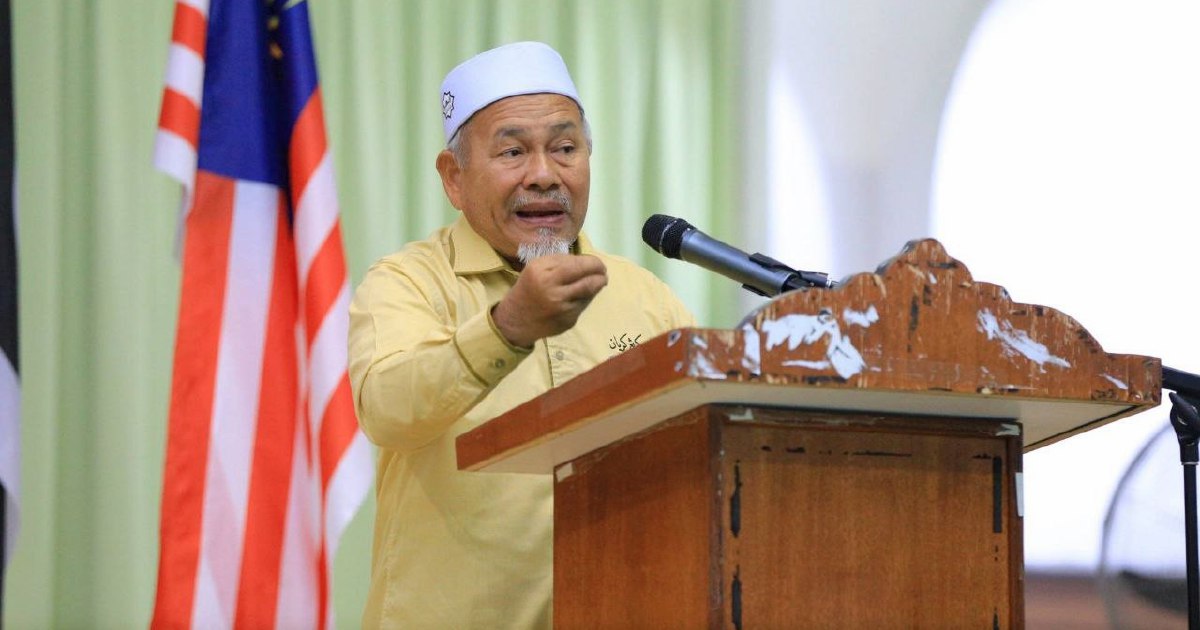
Malaysia's PAS party has signalled an openness to negotiating seat allocations with coalition partner Umno for the next electoral contest, according to statements by senior leadership during a gathering in Temerloh. The suggestion by PAS deputy president Datuk Seri Tuan Ibrahim Tuan Man reflects ongoing discussions within the Barisan Nasional framework about optimising the distribution of electoral districts between the two major Malay-Muslim parties that have formed the backbone of Malaysia's ruling coalitions.
The readiness to entertain seat swaps represents a pragmatic approach to coalition management as PAS and Umno navigate the complex arithmetic of Malaysian electoral politics. Rather than adhering rigidly to existing configurations, the party appears willing to examine boundary adjustments and constituency reallocations that might strengthen the overall performance of the Barisan Nasional. This flexibility underscores the ongoing refinement of arrangements between the two parties, who must balance their individual electoral ambitions with collective strategic objectives.
The conditional nature of PAS's willingness to negotiate seat transfers is significant. By stipulating that any arrangement must meet certain specified conditions, the party is protecting its interests and ensuring that negotiations remain within defined parameters. These conditions likely encompass considerations such as seat competitiveness, demographic changes, and regional political dynamics that affect each party's electoral viability in particular constituencies.
For Malaysian voters and political observers, this development carries implications for how electoral contests will be structured in coming elections. Seat-swapping arrangements between coalition partners often reflect calculations about which party possesses stronger ground machinery or voter appeal in specific regions. The willingness to contemplate such adjustments suggests that both PAS and Umno are adopting a data-driven approach to coalition strategy, moving away from purely historical precedent in determining seat allocations.
The Temerloh context is notable, as the state is located in Pahang, a region where both PAS and Umno maintain substantial organisational presence and electoral support. Discussions within such constituencies provide natural forums for coalition partners to address seat-sharing arrangements, given the direct stakes involved for local party machinery and representatives. The public nature of Tuan Ibrahim's remarks indicates that high-level coalition dialogue is occurring with transparency.
Within Malaysia's political landscape, where coalition mathematics often determines electoral outcomes, the flexibility demonstrated by PAS carries broader ramifications. The Barisan Nasional's competitive position against opposition coalitions depends significantly on how effectively the ruling alliance deploys its electoral assets. Optimising seat distributions between PAS and Umno could theoretically enhance the coalition's overall performance by ensuring that each party contests in constituencies where it possesses comparative advantages.
Historically, PAS has held various parliamentary and state assembly seats that could become subject to reallocation through such swaps. The party's willingness to consider surrendering incumbent positions suggests confidence in its organisational strength and electoral support base, or conversely, a realistic assessment that certain constituencies might be better served by Umno representation from a coalition perspective. Either interpretation points to mature coalition management.
Umno, as the senior Barisan Nasional partner, would likely drive negotiating priorities in any seat-swapping discussions. However, PAS's insistence on conditions for any agreement ensures that the party maintains negotiating leverage. This dynamic reflects the balance of power within the current coalition framework, where neither party can unilaterally impose arrangements without generating internal friction that could damage overall coalition cohesion.
For Southeast Asian observers monitoring Malaysian political developments, these coalition adjustments demonstrate the continuing evolution of Malaysia's party system. Unlike two-party systems with fixed electoral alignments, Malaysia's coalition-based structure allows for tactical adjustments that can reshape electoral landscapes between election cycles. The willingness of major parties to contemplate seat reallocation indicates sophisticated political management rather than rigid adherence to historical arrangements.
The upcoming electoral contest will be closely watched to determine whether PAS and Umno's negotiations yield concrete seat-swapping agreements. Voter response to any such changes will provide important signals about whether coalition optimisation strategies translate into genuine electoral advantages. For PAS specifically, any seats ceded to Umno would need to be compensated by gains elsewhere or by strengthened parliamentary representation that justifies the allocation adjustment.
Beyond the immediate electoral implications, PAS's openness to seat negotiations suggests the party views its coalition relationship with Umno as stable enough to accommodate tactical flexibility. This contrasts with periods when coalition tensions ran high enough to preclude such candid discussions. The ability to discuss seat reallocation publicly, even in conditional terms, indicates a functioning partnership despite inevitable disagreements over resource distribution and political direction.

