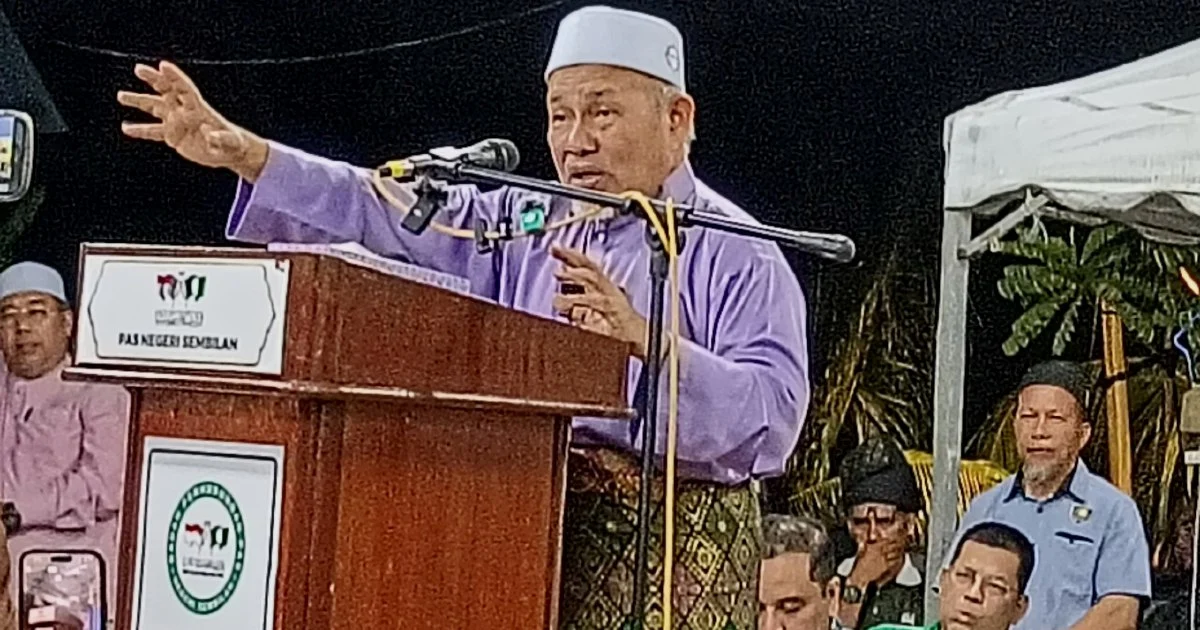
A significant dispute within Malaysia's opposition coalition has surfaced as PAS leadership moves to clarify the governance structure of Perikatan Nasional, with the party's deputy president directly challenging the notion that any single party—particularly Bersatu—can claim unilateral control over the bloc. Datuk Seri Tuan Ibrahim Tuan Man's remarks come in response to comments attributed to a Bersatu representative, in what represents a notable public friction within a coalition that has positioned itself as an alternative to the current government.
The statement underscores fundamental questions about how Perikatan Nasional operates as a political entity. Rather than functioning as a platform dominated by Bersatu's organisational machinery, PAS contends that the coalition framework rests on a partnership model wherein each constituent party retains equal standing and influence over strategic decisions. This distinction carries practical implications for how the bloc allocates responsibilities, coordinates electoral strategies, and distributes leadership positions across the coalition structure.
Tuan Ibrahim's intervention reflects broader anxieties within opposition circles regarding internal power dynamics. Political coalitions in Malaysia historically face challenges when one party accumulates disproportionate influence, either through parliamentary seat counts, membership numbers, or operational control. The tension between Bersatu and PAS—the two largest components of Perikatan Nasional alongside smaller parties like Gerakan and Perikatan Nasional's other members—highlights how even ostensible allies must negotiate delicate internal balances to maintain cohesion.
Bersatu's rise as a political force followed Mahathir Mohamad's departure from UMNO and the subsequent collapse of the Pakatan Harapan government in 2020. The party rapidly assembled the Perikatan Nasional coalition, initially serving as the primary vehicle for opposition to UMNO-BN's return to federal power. However, this early dominance has not necessarily translated into permanent structural control, particularly as other parties like PAS have consolidated their own bases and negotiating positions within the broader opposition landscape.
The coalition's current configuration matters significantly for Malaysian politics. Perikatan Nasional emerged as a coherent force opposing Barisan Nasional's administration, especially following the 2022 general election results that fragmented parliamentary representation across multiple blocs. PAS brings substantial electoral reach through its traditional support bases in rural areas and established machinery in several states, resources that any coalition leadership requires for practical viability. Bersatu, conversely, maintains connections to segments of middle-class urban voters and possesses administrative experience from its time in government.
This ownership dispute also reflects questions about succession and representation within opposition circles. If Bersatu were to unilaterally dictate coalition strategy, other parties would face diminished agency over policies affecting their constituencies and members. PAS, as a major stakeholder with millions of supporters nationwide, cannot accept marginalisation within a bloc it helped construct and sustains. The clarification therefore serves to reaffirm PAS's position as an equal partner rather than a subordinate component.
Regional considerations add another layer to the dynamics. Perikatan Nasional's strength varies considerably across Malaysian states, with PAS dominating in some territories while Bersatu holds sway elsewhere. A coalition governance model based on collective ownership accommodates these geographical variations better than a structure centred on one party's interests. Different states require different emphases and local power-sharing arrangements, circumstances that a truly egalitarian coalition model can navigate more effectively.
The public nature of Tuan Ibrahim's response marks a departure from the discretion typically observed in coalition management. Rather than resolving the matter through private discussions, the PAS leader chose to address the issue openly, suggesting the underlying disagreement carries sufficient weight to warrant public clarification. This approach risks exposing coalition vulnerabilities but also sends a message to the broader opposition ecosystem that PAS will not tolerate what it perceives as domineering behaviour from larger partners.
Moving forward, Perikatan Nasional faces a critical challenge in formalising internal governance arrangements that all parties view as legitimate and equitable. Without such clarity, recurring disputes over representation, decision-making authority, and resource allocation threaten the coalition's ability to function as a cohesive political force. The stakes extend beyond internal management—Malaysian voters evaluating opposition alternatives require confidence that coalition partners operate harmoniously and share common strategic objectives rather than competing for supremacy.
The timing of this dispute also matters within Malaysia's broader electoral context. With no general election date immediately fixed, opposition coalitions have relative breathing room to resolve internal differences. However, as the next election approaches, such unresolved tensions could manifest as fractures during campaign coordination, candidate selection disputes, or disagreements over campaign messaging. PAS and Bersatu cannot afford the kind of public disputes that undermined previous opposition coalitions, given how effectively such divisions have benefited ruling administrations historically.
Tuan Ibrahim's assertion ultimately reaffirms a principle increasingly important in Malaysian opposition politics: that viable coalitions require genuine power-sharing rather than nominal partnerships masked by single-party dominance. Whether Perikatan Nasional can sustain this collaborative model while maintaining strategic coherence remains uncertain, but the clarity offered by the PAS leader establishes an important reference point for how the coalition intends to function. Both internal sustainability and electoral credibility depend on demonstrating that collective ownership translates into genuine collective governance rather than ceremonial arrangements surrounding one party's substantive control.