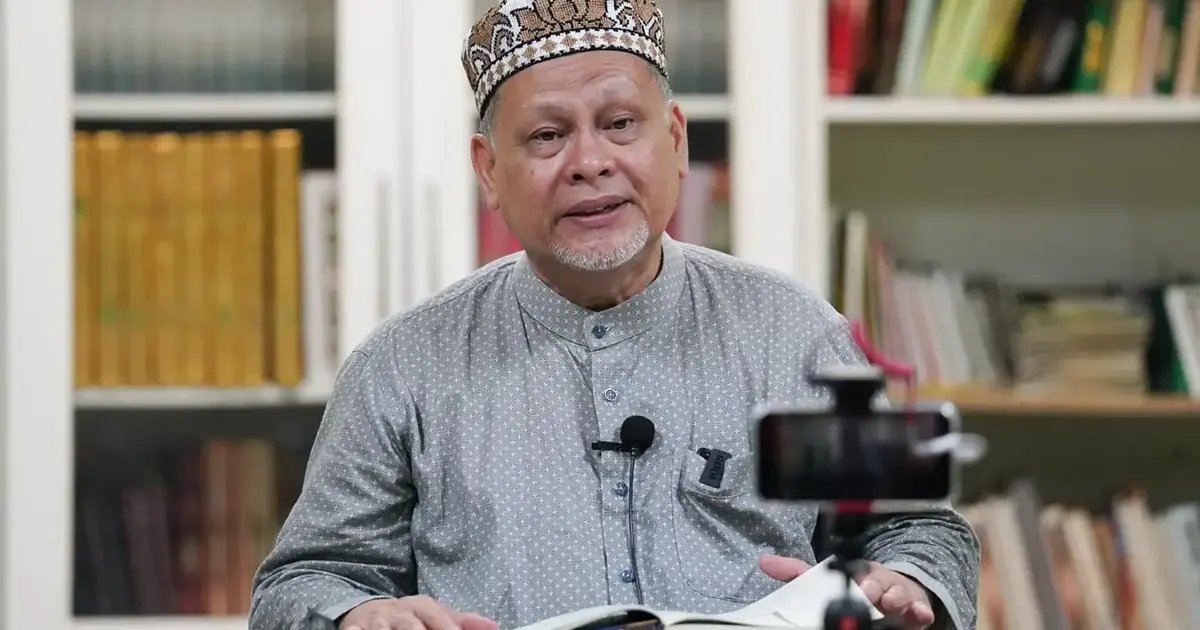
PAS is prepared to square off against Bersatu in direct contests during the Negeri Sembilan state election if the two Perikatan Nasional component parties end up targeting identical seats, according to a declaration from the party's deputy chief Amar Abdullah. The statement reflects the underlying tensions within the broader PN coalition as its constituent parties navigate the complex dynamics of seat allocation ahead of state polls that carry significant implications for the overall political balance in the peninsula.
Amar Abdullah's remarks underscore a fundamental reality in Malaysian coalition politics: even among ostensible allies, competition for electoral territory remains fierce. While PAS and Bersatu have worked within the PN framework, they maintain distinct organisational interests and voter bases that occasionally create friction when it comes to strategic positioning. The willingness to openly acknowledge potential conflicts rather than papering over them suggests a degree of pragmatism about the constraints parties face when building electoral alliances.
Negeri Sembilan represents a crucial testing ground for PN's cohesion heading into what may be a broader reshuffling of federal and state political arrangements. The state has historically served as a barometer for coalition stability and popular sentiment, making seat negotiations there particularly consequential. If internal PN disputes result in direct confrontations between its members, the outcome could reverberate across the coalition's standing nationwide and provide opposition parties with opportunities to capitalise on any resulting fractures.
The PAS vice-president's comments also reflect the party's confidence in its organisational capabilities and electoral appeal within specific constituencies. PAS has cultivated substantial support networks, particularly in states with significant Islamic sentiment and conservative voter demographics, and appears unwilling to cede promising seats to other partners even if it means departing from the PN alliance in particular battlegrounds. This assertiveness represents a departure from the more accommodating posture many expected from coalition partners.
For Bersatu, which has sought to position itself as the bridge between various political factions and the primary champion of Bumiputera interests, Amar Abdullah's statement signals that other parties will not automatically defer to its positioning. Bersatu's attempt to consolidate influence across multiple constituencies may face stronger resistance than previously anticipated, particularly from parties like PAS that command their own significant electoral machinery and geographic strongholds.
The broader PN coalition architecture has always involved an implicit understanding that parties would occasionally compete in overlapping areas, but the frank acknowledgment of this possibility by a senior PAS figure indicates that such competition is no longer being treated as an embarrassing aberration to be minimised through diplomatic language. Instead, it is being presented as a legitimate electoral scenario that parties must be prepared to navigate professionally.
Negeri Sembilan's political demographics add another layer of complexity to these internal alliance dynamics. The state encompasses urban, semi-rural, and traditional constituencies with varying political leanings, requiring any alliance to carefully balance the distribution of seats to maximise collective performance while satisfying component parties' ambitions. PAS's strength in certain demographics and geographical areas means that any seat arrangement not favourable to the party would likely generate internal resistance and potentially undermine overall coalition performance.
From a Malaysian voter perspective, these internal coalition negotiations raise important questions about electoral representation and how alliances serve citizen interests versus primarily serving the organisational interests of political parties. When coalition partners openly contemplate competing against each other, voters in contested seats essentially face the prospect of fragmented opposition from parties that theoretically should be working in concert.
The implications for Southeast Asian politics more broadly touch on the challenge all regional coalitions face in maintaining coherence when component parties possess distinct ideological emphases and organisational bases. PN's experience in managing these tensions provides insights into how multi-party coalitions can function—or strain—when electoral competition and partnership obligations come into tension.
Looking ahead, the Negeri Sembilan election will serve as a critical indicator of whether PN can resolve internal disputes before formal nomination processes force choices between competing ambitions. If parties proceed with overlapping nominations, it would represent a significant escalation in internal coalition friction and potentially signal broader instability within the PN framework that could ripple through subsequent electoral cycles across Malaysian states.
Amar Abdullah's statement, whether intended as negotiating posturing or genuine reflection of PAS's electoral strategy, has essentially placed the issue on the table for broader coalition discussions. It remains to be seen whether PN's senior leadership can broker compromises or whether Negeri Sembilan will witness the unprecedented spectacle of significant opposition alliance partners competing directly against one another in multiple constituencies, thereby potentially benefiting opposition parties that remain unified in their electoral approach.

