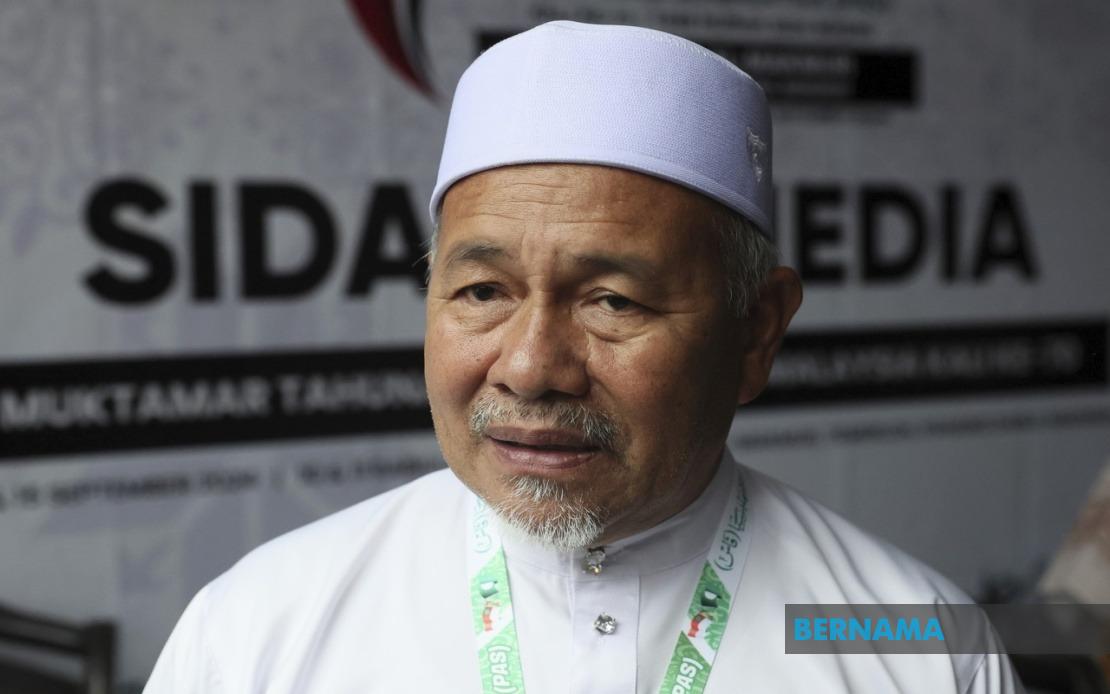
Malaysia's Islamic party PAS has renewed calls for low-profile businessman Jho Low to be prosecuted within the Malaysian court system, dismissing speculation about potential leniency from the United States as irrelevant to the country's pursuit of justice. Deputy president Datuk Seri Tuan Ibrahim Tuan Man made the statement during his address at the Pasir Mas division annual general meeting in Kota Bharu on Thursday, emphasizing that Malaysia must not defer to foreign judicial decisions when pursuing cases that caused profound damage to the nation's economy and institutions.
Tuan Ibrahim's comments arrive amid international reports suggesting that Jho Low, a fugitive at the centre of one of Asia's most significant financial scandals, may feature among approximately 250 individuals being considered for presidential pardon by Donald Trump. The speculation emerged as the United States marked Independence Day celebrations, a period traditionally associated with clemency announcements. However, the PAS leader rejected any notion that Malaysian authorities should wait for or be influenced by American judicial outcomes in their own pursuit of the businessman.
The 1Malaysia Development Berhad scandal fundamentally shook Malaysia's financial sector and global reputation when it unraveled. The investment fund, established in 2009 with significant state backing, became the vehicle through which Jho Low and associates allegedly misappropriated billions of ringgit. The scheme involved an intricate web of shell companies, forged documents, and international wire transfers designed to obscure the flow of funds. Investigations eventually revealed that money intended for Malaysian development had been diverted to personal accounts, luxury real estate, and entertainment ventures across multiple continents.
Malaysia's economic recovery from the 1MDB fallout has extended over more than a decade, with the country investing substantial resources in tracking down assets, pursuing legal cases across multiple jurisdictions, and attempting to rebuild investor confidence. The direct financial losses to Malaysia from the scandal exceeded USD 10 billion, representing a significant portion of the country's annual budget at that time. Beyond the numerical impact, the scandal damaged Malaysia's international standing, complicated trade relationships, and undermined trust in government institutions precisely when the country needed to project stability and competent governance.
Tuan Ibrahim's assertion that Malaysia possesses independent legal authority reflects broader concerns within the country's political establishment about foreign interference in domestic judicial matters. The statement recognizes that while international cooperation remains valuable for asset recovery and evidence gathering, the ultimate right to try a Malaysian case must rest with Malaysian courts. This perspective carries particular weight given that Low Taek Jho, despite his international profile, conducted much of his activity through Malaysian entities and financial institutions, with primary impact on Malaysian national assets.
The timing of the call gains significance as Prime Minister Datuk Seri Anwar Ibrahim had reaffirmed just one day earlier that Malaysia remains committed to pursuing all available legal remedies against Jho Low, irrespective of external developments. This consistency from the top levels of government suggests a unified political position across different coalition members regarding the importance of prosecuting the case domestically. The repetition of this commitment across multiple statements and party officials indicates that this remains a priority issue within Malaysia's political establishment, transcending normal partisan divisions.
Extradition remains the central practical challenge to realizing the domestic prosecution objective. Jho Low has reportedly relocated multiple times across jurisdictions perceived as having limited extradition treaties with Malaysia or nations unwilling to prioritize cooperation in this case. The fugitive's wealth and international connections have enabled him to maintain a lifestyle that insulates him from apprehension while remaining geographically distant from Malaysian law enforcement reach. Accelerating extradition proceedings thus requires renewed diplomatic pressure, bilateral negotiations, and potentially involvement of international law enforcement bodies like Interpol.
The emphasis on expediting legal procedures in Tuan Ibrahim's statement reflects frustration with the pace of justice in this case. Roughly a decade and a half after the scandal's public revelation, the primary figure accused of orchestrating the scheme remains beyond the reach of Malaysian courts. This delay allows Jho Low to avoid accountability while the country continues bearing reputational costs associated with the scandal's unresolved legal dimensions. Malaysian citizens and international observers closely monitor whether the country can successfully bring its most prominent financial crime fugitive to justice.
The potential US pardon scenario introduces a new complication into an already complex international legal situation. Should Trump administration grant clemency to Jho Low for any US-specific charges, it would eliminate one avenue for apprehending him and strengthen his legal position relative to Malaysian authorities. However, such a development would not invalidate Malaysian charges, and could potentially strengthen domestic resolve to pursue the case more aggressively through available diplomatic and legal channels. The scenario underscores why Malaysian political leaders are emphasizing their country's independent legal authority and obligation to its citizens.
For Southeast Asian observers and Malaysia's regional neighbors, this case carries implications beyond its specific facts. It demonstrates how transnational financial crimes can evade accountability across multiple jurisdictions, and how political dynamics in distant countries can influence regional justice outcomes. The case also illustrates the importance of developing stronger regional frameworks for asset recovery, extradition cooperation, and prosecution coordination among Southeast Asian nations. Malaysia's experience provides cautionary lessons about regulatory oversight of state-linked enterprises and the consequences of insufficient financial transparency mechanisms.
The call for domestic prosecution ultimately reflects Malaysia's determination to assert sovereign authority over crimes committed against its national interests. While international cooperation remains necessary and valuable, the principle that Malaysia must not outsource accountability for offences against Malaysian institutions and citizens appears to command broad political support across the country's diverse political spectrum.

