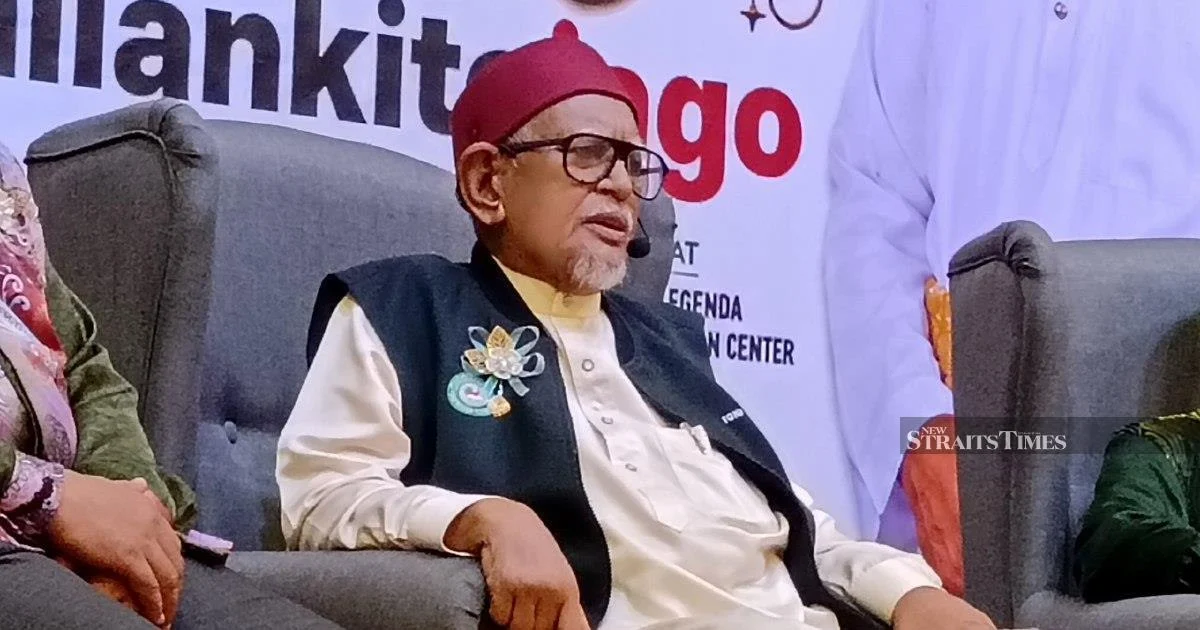
Political negotiations between PAS and Umno over seat allocation for the Negri Sembilan state election on August 1 remain actively underway, with the Islamic party signalling flexibility on the chief minister position. Speaking in Seremban, PAS leadership indicated the party would be prepared to endorse an Umno candidate as the coalition's menteri besar nominee, provided that broader discussions on constituency divisions and campaign coordination reach a conclusive agreement.
The willingness to step back from the menteri besar post represents a significant concession from PAS in what analysts view as a recalibration of the party's approach to seat negotiations across Malaysia. Rather than insisting on symbolic leadership positions that dominated earlier coalitional arrangements, PAS appears willing to prioritise securing contested seats that would strengthen its parliamentary presence and enhance its influence within any resulting state administration. This tactical shift underscores the practical considerations now driving coalition mathematics in Malaysian electoral politics.
For Negri Sembilan specifically, the implications of such an arrangement extend beyond mere power-sharing aesthetics. The state has emerged as a potential swing territory, with no single bloc commanding overwhelming support following demographic shifts and recent electoral volatility. Umno's traditional dominance in certain constituencies has weakened, while PAS has expanded its footprint through concentrated organising in specific districts. Combining these geographical strengths through coordinated candidacy could prove decisive in capturing the 36 state assembly seats required for a working majority in the 56-seat legislature.
The ongoing talks also reflect broader adjustments in Malaysia's coalition architecture following the 2022 general election aftermath. PAS, which consolidated significant gains nationally, now confronts the challenge of translating federal momentum into state-level victories across diverse electorate compositions. Negri Sembilan presents particular complexity: the state encompasses both urban corridors requiring different political messaging and rural constituencies where PAS has built stronger grassroots networks. Strategic seat allocation becomes critical for reconciling these divergent electoral environments within a unified campaign framework.
Umno, conversely, faces pressure to stabilise its position after years of internal organisational challenges and electoral setbacks in certain regions. Accepting PAS as a coalition partner signals recognition that singular party dominance is no longer viable in multiple states, requiring pragmatic power-sharing that leverages complementary electoral strengths. The menteri besar position, while symbolically important, matters less politically than controlling key ministerial portfolios and securing constituencies that facilitate long-term party rebuilding.
Seat negotiations of this complexity typically hinge on resolving competing claims over constituencies where both parties possess viable candidates and demonstrate electoral competitiveness. Negri Sembilan contains numerous such contested territories, requiring negotiators to balance several considerations: existing party infrastructure, candidate quality and public appeal, demographic composition of individual constituencies, and broader strategic objectives within larger state governance arrangements. These discussions frequently consume weeks of intensive bargaining, with compromises emerging gradually as parties reassess their relative bargaining power.
The August 1 election date imposes genuine time pressure on concluding arrangements, as parties require adequate preparation time for campaign operations, candidate announcement processes, and voter outreach mobilisation. Protracted negotiations approaching the polling date risk creating internal party dissatisfaction, particularly among disappointed candidate aspirants and grassroots activists expecting nomination. Successful coalition-building therefore demands finalisation sufficiently in advance to permit unified campaign presentation and resolve residual tensions through structured intra-coalition dialogue.
For Malaysian voters and observers, these negotiations illuminate fundamental tensions within Malaysia's contemporary coalition politics. The willingness of PAS to accept subordinate portfolio positions while securing electoral influence differs markedly from earlier frameworks emphasising symbolic parity and equal ministerial representation. This pragmatic repositioning suggests increasing maturation in how political alliances calibrate power-sharing arrangements around substantive policy control and electoral viability rather than ceremonial equality.
Neighbouring Selangor and other states will likely observe Negri Sembilan developments closely, as successful coalition management there could become a template for future arrangements. Conversely, negotiation collapse or post-election tensions would reinforce perceptions that PAS-Umno cooperation remains fundamentally unstable. The stakes extend beyond single state governance, touching calculations regarding potential federal-level reconfiguration should elections necessitate coalition renegotiations.
Observers anticipate final agreements announcement within coming weeks, though both parties have historically demonstrated capacity for eleventh-hour surprises and tactical repositioning. The extent to which concluded arrangements produce unified campaign momentum or residual factional tensions within participating parties will significantly influence state election outcomes and broader assessments of Malaysian coalition politics sustainability.

