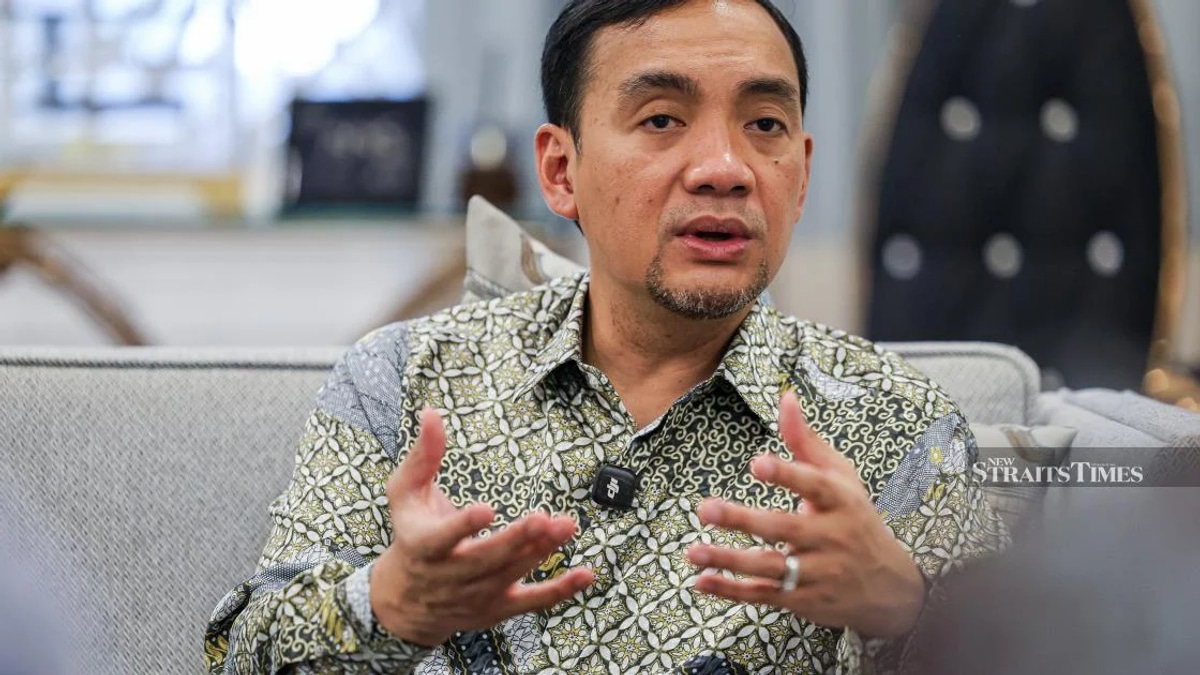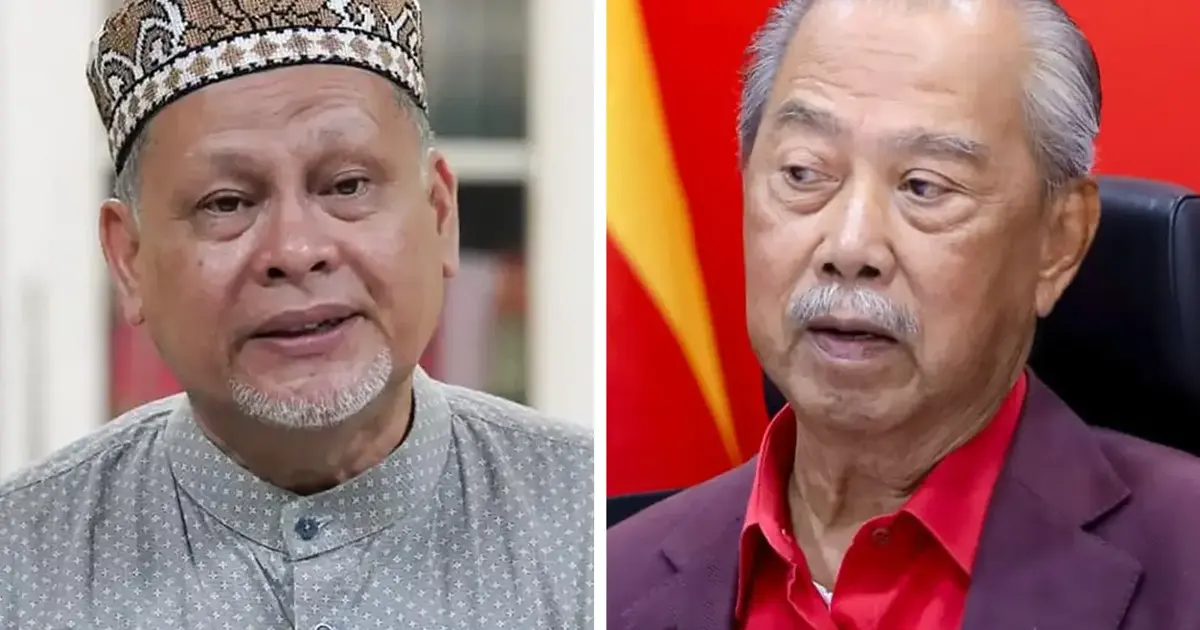
The fragile unity holding Perikatan Nasional together faces fresh strain following a pointed rebuke from PAS, which has effectively told its coalition partner Bersatu that maintaining dual strategies—staying within the alliance while fielding rival candidates—is untenable. PAS vice-president Amar Abdullah characterised Bersatu president Muhyiddin Yassin's recent remarks about contesting electoral seats against the Islamic party as fundamentally at odds with coalition membership, signalling deepening fault lines within the coalition that has reshaped Malaysian politics over the past five years.
The tension between the two parties reflects a broader strategic dilemma confronting opposition coalitions in Malaysia. Bersatu, which broke away from UMNO to form the nucleus of Perikatan Nasional, has struggled to establish independent electoral footholds in many constituencies, often finding itself overshadowed by more established political machinery. The party's consideration of running candidates against PAS allies suggests leadership frustration with constituency allocations and influence distribution within the existing arrangement. However, such unilateral assertions of electoral ambition without prior coalition agreement risk destabilising the entire bloc at a moment when unified opposition politics remain central to Malaysian political calculations.
Amar Abdullah's characterisation of Muhyiddin's position as "odd" carries particular weight coming from a senior PAS figure, since PAS itself remains a somewhat unusual partner within Perikatan Nasional—a coalition anchored by a party with explicitly secular governance records and diverse religious viewpoints. For PAS, which holds significant grassroots mobilisation capacity especially in rural Malay-Muslim constituencies, the stakes around electoral positioning are considerably higher than for other coalition members. The party cannot afford ambiguity about whether Bersatu remains committed to collective coalition strategy or is charting an independent electoral course.
The ultimatum—effectively demanding Bersatu choose between coalition loyalty and separate electoral operations—appears designed to force clarity. Perikatan Nasional has historically thrived on the perception of being a cohesive alternative to Barisan Nasional, particularly in attracting voters dissatisfied with UMNO's direction. If constituent parts begin openly contesting against one another, that unified narrative disintegrates, potentially fragmenting the opposition vote in ways that benefit the ruling coalition. PAS, as the strongest component measured by parliamentary representation and electoral reach, likely feels entitled to enforce coalition discipline.
Bersatu's position has become progressively more constrained since the 2022 general election. The party obtained only four parliamentary seats, a dramatic underperformance relative to internal expectations, and has struggled to maintain relevance within both Perikatan Nasional and broader opposition politics. Muhyiddin Yassin's references to greater electoral participation may reflect party strategy to demonstrate institutional significance and justify continued coalition participation to members questioning whether the arrangement truly serves Bersatu interests. However, pursuing such objectives without securing prior coalition consensus suggests communication breakdowns at leadership levels.
For Malaysian voters, this escalating tension within Perikatan Nasional carries substantial implications. A coalition fractured by internal electoral competition would likely weaken opposition performance in closely contested constituencies across the country, particularly in Peninsular Malaysia where three-way contests between government, Perikatan Nasional, and minor parties already complicate electoral mathematics. Regions where PAS holds strong influence, particularly in the north and east coast, would experience direct Perikatan Nasional vote-splitting if Bersatu proceeded with rival candidacies, potentially opening pathways for government coalition gains.
The timing of this dispute is notable, occurring as Malaysian politics prepare for eventual electoral campaigns at both state and federal levels. Coalition members typically need to negotiate seat allocations months in advance, establishing frameworks that balance demands from multiple parties while preserving geographic coherence and avoiding wasteful competition. Bersatu's apparent refusal to respect such frameworks, or its attempt to renegotiate them unilaterally through Muhyiddin's rhetoric, suggests the party feels insufficiently accommodated within existing arrangements.
Historically, Malaysian opposition coalitions have repeatedly collapsed due to precisely this dynamic—parties simultaneously claiming coalition membership while reserving the right to compete independently. The eventual disintegration typically benefited ruling coalitions by fragmenting opposition voting blocs across critical swing constituencies. PAS's firm response to Bersatu's ambitions may represent an effort to prevent Perikatan Nasional from replicating this destructive pattern, establishing clear boundaries around what coalition membership requires.
The broader context involves Perikatan Nasional's persistent struggle to consolidate the opposition vote. Despite growing dissatisfaction with government performance and notable electoral gains in certain regions, the coalition has never achieved the integrated strategic coordination that transformed Pakatan Harapan into a governing force in 2018. Internal disputes over constituency allocation, leadership hierarchy, and strategic direction have repeatedly surfaced, each time threatening the coalition's electoral effectiveness. Amar Abdullah's firm stance suggests PAS leadership recognises that tolerating internal contradictions on fundamental questions of coalition membership and electoral competition would set precedents impossible to manage.
Moving forward, resolution requires direct negotiation between Muhyiddin Yassin and PAS leadership to clarify whether Bersatu genuinely commits to the coalition framework with its inherent compromises on candidate selection, or whether the party intends a more independent political trajectory. Such conversations should yield either renewed coalition commitment with clear mutual obligations or explicit acknowledgment that members will pursue separate strategies. Ambiguity on this question serves neither Bersatu nor PAS, and risks undermining Perikatan Nasional's broader relevance in Malaysian politics at a critical juncture.