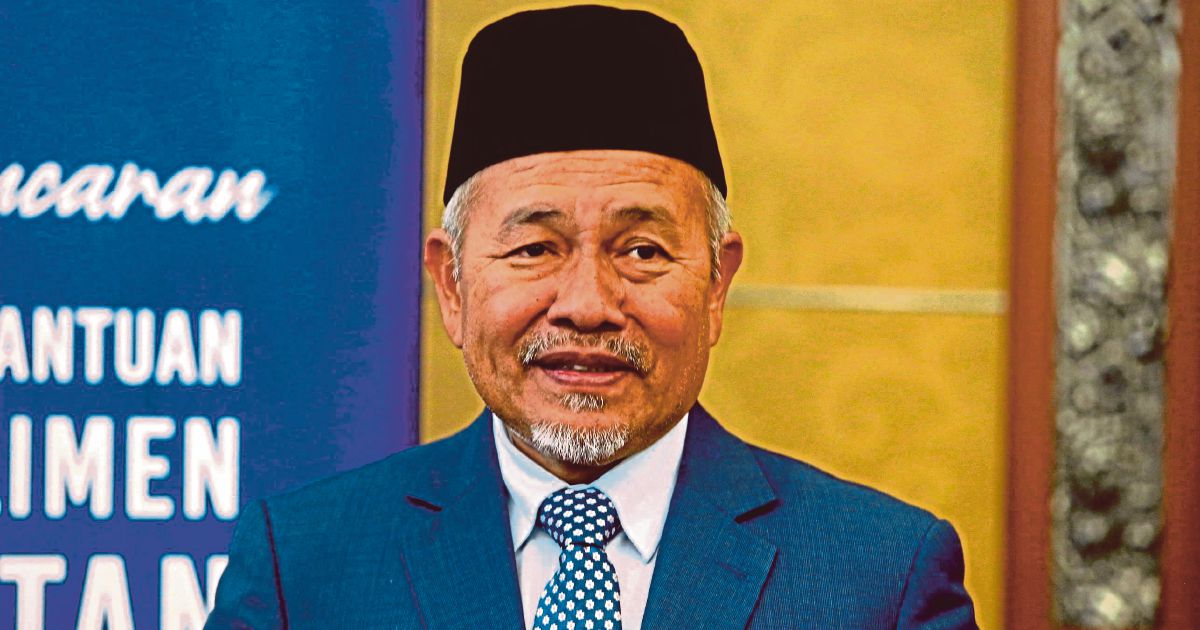
Datuk Seri Tuan Ibrahim Tuan Man, the deputy president of PAS, travelled to Seremban to publicly commend Umno's recent decision to withdraw its parliamentary support for the incumbent Negri Sembilan state government. The PAS official framed the withdrawal as a decisive action that demonstrates political willingness to challenge the status quo, rather than perpetuate incumbency through routine alliance mechanics.
The timing of Umno's departure from the ruling coalition carries significant implications for Malaysian politics. Umno's move suggests growing tension within the broader federal alliance framework, and reflects calculations about electoral viability at the state level. By stepping back from the Negri Sembilan administration, Umno is signalling that it believes its electoral prospects may improve through competition rather than continued stewardship of a government that may face voter fatigue.
Tuan Ibrahim's public endorsement reveals strategic positioning by PAS as well. The Islamic party's willingness to voice approval for Umno's decision indicates that PAS leadership is receptive to coalition flexibility and sees value in electoral contests that permit clear voter choice between competing formations. This contrasts with rigid alliance loyalty and suggests PAS is calculating its own advantage in a more fluid political environment.
The Negri Sembilan state election will now proceed without Umno's institutional backing for the outgoing government. This creates space for voters to assess alternative leadership options and gives opposition coalitions a clearer opening to contest for power. Elections conducted with genuine competition tend to produce higher engagement and voter turnout, as the stakes feel more consequential when actual power transfer remains in question.
Negri Sembilan has historically occupied an interesting position within Malaysian federalism. The state maintains its own constitutional monarchy framework through the Yamtuan Negeri institution, and state politics often reflects broader peninsular trends while retaining local character. The withdrawal of Umno support potentially transforms the electoral dynamics significantly, as the party had been a stabilising force within the state coalition arrangement.
For PAS specifically, Tuan Ibrahim's statement reflects the party's evolving role within Malaysian coalition politics. PAS has been repositioning itself as a party willing to work across traditional alliance lines, seeking greater influence and autonomy in political calculations. By praising Umno's move rather than criticising it, PAS demonstrates diplomatic skill and positions itself as a constructive participant in potential post-election arrangements, regardless of outcome.
The "bold move" characterisation by Tuan Ibrahim carries particular weight because it legitimises Umno's action within conservative political circles. Rather than portraying the withdrawal as opportunistic or destabilising, PAS frames it as principled—suggesting that parties have democratic right to contest elections based on evolving circumstances and electorate preferences. This messaging helps normalise what might otherwise appear as coalition breakdown.
Electoral specialists will watch how Umno translates its withdrawal into competitive strategy in Negri Sembilan. The party must now articulate a convincing platform and candidate slate to win over voters currently backing the state government. This requires more than simply opposing the incumbent; Umno needs to present substantive governance alternatives and demonstrate why voters should prefer its leadership direction.
The broader context involves Malaysian coalition politics undergoing structural stress. Federal alliances that united Umno, MCA, and MIC for decades have fragmented, with PAS, DAP, and other parties now holding significant leverage. States increasingly become laboratories where different coalition combinations are tested, and Negri Sembilan's election will provide data about voter preferences under these new configurations.
For Malaysian business and civil society, clearer electoral competition potentially benefits transparency and accountability. When governments face genuine electoral jeopardy, they tend to be more responsive to constituent concerns and more careful about administrative conduct. The Negri Sembilan contest could thus elevate governance standards across the state apparatus, as all contending parties position themselves for voter consideration.
PAS's enthusiasm for the contest ahead also reflects confidence in its organisational capacity to mobilise supporters. The party has invested significantly in grassroots infrastructure across peninsular Malaysia, and state elections provide platforms to demonstrate this organisational strength. A competitive Negri Sembilan environment permits PAS to showcase capability and policy platforms to broader audiences.
Looking forward, the Negri Sembilan election will test whether Malaysian voters reward or punish parties that exit coalitions to contest more openly. The results will signal whether electoral competition energises public participation or whether voters prefer continuity and stability even at the cost of limited choice. These outcomes will likely influence how parties calculate coalition membership and electoral participation across other Malaysian states in coming cycles.

