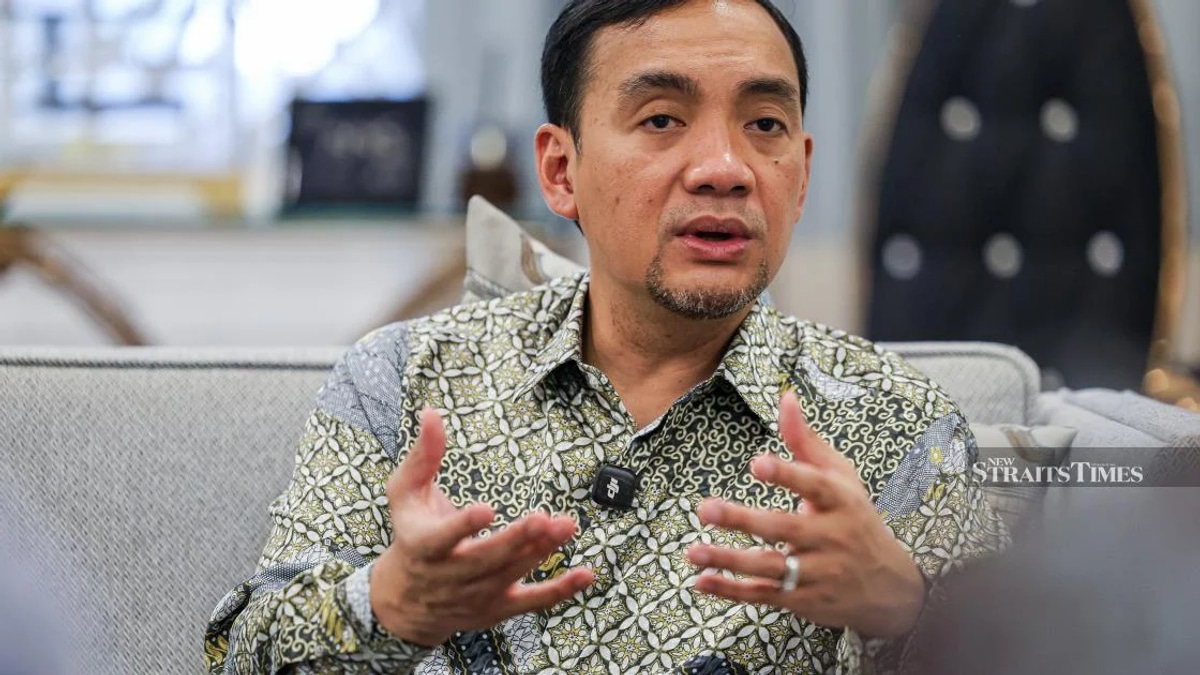
The Islamist party PAS appears prepared to navigate Johor's political landscape without relying on support from its former coalition partner Bersatu, according to state commissioner Mahfodz Mohamed. This statement comes at a time when coalition dynamics in Malaysia's most southern state remain fluid, with various political alliances being recalibrated ahead of anticipated electoral contests.
Mahfodz's remarks reflect growing confidence within PAS's organisational structure in Johor, suggesting the party believes it possesses sufficient grassroots strength and voter appeal to maintain its existing electoral support and potentially expand its influence. The assertion carries significant weight given Johor's political importance as one of Malaysia's most developed states and a traditional stronghold for various political movements across different eras.
The relationship between PAS and Bersatu has been complicated by shifting political alignments at both state and federal levels. While both parties have previously collaborated within broader coalition frameworks, their strategic interests have not always aligned perfectly, leading to periodic tensions. Mahfodz's statement suggests PAS may be calculating that proceeding independently could offer strategic advantages, potentially freeing the party from compromises required in coalition arrangements.
For Malaysian readers, this development underscores the increasingly personalised nature of contemporary politics in the country. Rather than relying on monolithic political blocs, individual parties are increasingly confident in their own organisational capabilities and voter bases. This trend reflects broader changes in Malaysian electoral behaviour, where swing voters and issue-based politics have become more influential than traditional partisan loyalties.
Johor's political configuration holds implications extending beyond the state's boundaries. As Malaysia's manufacturing and commercial hub, developments in Johor frequently signal broader shifts in the country's political direction. The state has historically served as a barometer for national electoral trends, making internal PAS calculations particularly noteworthy for understanding potential future alignments in federal politics.
Bersatu's limited influence in Johor compared to some other states may have factored into PAS's assessment. While Bersatu commands significant presence in certain peninsular states, its organisational depth in Johor has remained relatively modest. This structural reality could embolden PAS to believe that cooperation with Bersatu would offer diminishing returns while potentially constraining the party's strategic autonomy.
The statement also reflects internal party dynamics within PAS. By projecting confidence and independence, state leadership reinforces party discipline and maintains morale among grassroots members who might otherwise feel uncertain about electoral prospects. Such messaging serves important psychological functions within political organisations, particularly when navigating uncertain political terrain.
From a regional Southeast Asian perspective, Malaysia's coalition-based politics remain distinctive. Most democracies in the region rely on more stable, institutionalised party structures and clearer coalition agreements. PAS's apparent willingness to contest independently demonstrates how Malaysian politics continues to evolve toward more fluid, pragmatic arrangements where flexibility and localised calculations often override formal agreements.
Johor's particular circumstances warrant consideration. The state government's performance on economic development, infrastructure, and service delivery will ultimately matter more to voters than coalition arrangements. If PAS can credibly position itself as capable of advancing Johor's interests, coalition partnerships become less essential from an electoral strategy perspective.
Mahfodz's comments also suggest PAS has conducted internal polling or assessment indicating its own viability independent of Bersatu. Malaysian political parties typically rely on sophisticated ground-level intelligence before making such declarations, making the statement a reasonably reliable indicator of PAS's competitive confidence. This internal confidence translates into projection of certainty that can influence actual electoral outcomes through various psychological and organisational mechanisms.
The broader implications concern Bersatu's political trajectory. If major coalition partners increasingly view cooperation as optional rather than necessary, Bersatu's influence diminishes substantially. The party would need to either strengthen its own organisational base significantly or recalibrate its positioning within Malaysian politics to remain relevant in contested states.
Looking forward, Mahfodz's declaration may function as a negotiating position rather than a final commitment. Malaysian politics has frequently witnessed dramatic shifts in coalition arrangements in the final moments before elections. However, the apparent willingness to contest independently does signal that PAS views its position as fundamentally sound, reducing its desperation for partnership arrangements.
The statement ultimately reflects the current state of Malaysian coalition politics: fluid, pragmatic, and increasingly driven by individual party calculations rather than historical alignments or ideological considerations. For voters in Johor and observers monitoring Malaysian politics more broadly, this indicates that upcoming electoral contests will be determined substantially by local performance records and organisational capabilities rather than pre-determined coalition frameworks.