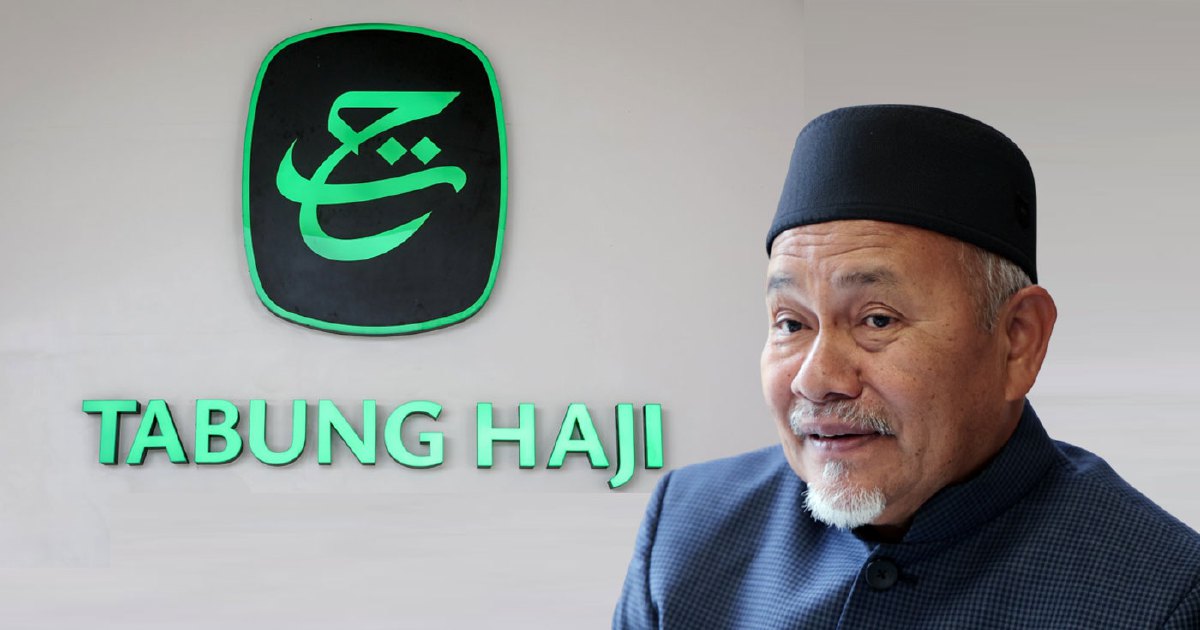
The Islamic opposition party Pas has thrown its weight behind the government's proposal to call an extraordinary parliamentary session dedicated to examining the findings of the Royal Commission of Inquiry into Tabung Haji, Malaysia's embattled pilgrimage savings fund. Pas deputy president Datuk Seri Tuan Ibrahim Tuan Man signalled the party's backing for the emergency sitting while simultaneously pressing for concrete follow-up measures once the parliamentary proceedings conclude.
This show of cross-party solidarity reflects the gravity of Tabung Haji's challenges, which have transcended typical partisan divisions in recent months. The fund, which manages savings and hajj arrangements for over three million Malaysian Muslims, has been battered by a series of financial and governance scandals that have eroded public confidence. The Royal Commission of Inquiry was established to investigate the root causes of the institution's troubles, and the anticipated parliamentary debate represents a critical juncture for determining how the government and lawmakers will respond to its recommendations.
The special parliamentary sitting itself signals acknowledgment across the political spectrum that routine parliamentary business cannot adequately address the scale and complexity of Tabung Haji's problems. By carving out dedicated time for focused debate rather than relegating the matter to ordinary parliamentary orders of business, lawmakers are essentially declaring the issue a matter of national concern deserving urgent and thorough parliamentary attention. This procedural move carries symbolic weight for Tabung Haji's contributors, many of whom have waited years for systemic reforms.
Pas's posture on the matter differs meaningfully from obstruction or minimisation. Rather than adopting a adversarial stance, the party has positioned itself as a constructive partner in resolving the crisis, which enjoys broad societal concern given the fund's importance to Malaysia's Muslim majority. The party's deputy president has underscored that securing parliamentary time for debate represents only the beginning of a longer reform process. His emphasis on follow-up action signals concern that parliamentary discussion, however thorough, will prove insufficient without concrete implementation of any recommendations that emerge.
The fund's financial woes and operational deficiencies have accumulated over years, creating a substantial reform agenda that will require sustained political commitment beyond a single parliamentary session. Issues ranging from governance structures to investment practices to the handling of contributor funds have all drawn scrutiny, and addressing them comprehensively will demand coordination between multiple government agencies and parliamentary oversight bodies. Pas's call for follow-up action reflects realistic understanding that parliamentary debate must translate into measurable reforms.
For Malaysian Muslims who contribute monthly to Tabung Haji with expectations of reliable service and secure savings, the parliamentary sitting and subsequent implementation of reforms represents a test of governmental responsiveness. Contributors have legitimate concerns about the timeliness of reforms and the concrete safeguards that will protect their interests going forward. The special sitting provides an opportunity for lawmakers to publicly commit to specific remedial actions, thereby restoring fractured public trust.
The government's decision to facilitate the special parliamentary sitting also demonstrates willingness to subject the Tabung Haji situation to legislative scrutiny rather than managing the issue purely through executive channels. This approach aligns with democratic principles of parliamentary oversight and acknowledges that the fund's importance to millions of Malaysians justifies transparent parliamentary examination of how the institution will be reformed and revitalised.
Pas's backing also carries practical implications for parliamentary dynamics. As a major opposition bloc, the party's endorsement of the sitting and commitment to constructive engagement removes potential obstruction and helps create legislative consensus around the gravity of the situation. This cross-party alignment, while perhaps surprising given Malaysia's polarised political environment, underscores the non-partisan nature of concerns about a fund serving millions of Malaysians across religious and political affiliation lines.
The timing of the parliamentary debate will prove crucial, as contributors and observers seek clarity about reform timelines and implementation mechanisms. The longer the gap between parliamentary debate and visible institutional changes, the greater the risk that public confidence will erode further. Pas's emphasis on follow-up action implicitly acknowledges this urgency and suggests the party will maintain pressure on the government to translate legislative discussion into administrative reality.
Regionally, the Tabung Haji situation has attracted attention in Southeast Asian Muslim-majority nations that operate similar pilgrimage funds or savings schemes. Malaysia's experience in publicly addressing the fund's challenges through parliamentary debate and reform processes may offer instructive lessons for neighbouring countries managing comparable institutions. The approach also demonstrates how Westminster-style parliaments can serve accountability functions when major public institutions face systemic problems.
Moving forward, the substance of parliamentary debate will determine whether the exercise proves merely performative or generates meaningful reform momentum. Lawmakers will need to interrogate the Royal Commission's findings rigorously, identify gaps in governance and oversight, and establish clear accountability mechanisms. Pas's call for follow-up action suggests the party intends to remain engaged in monitoring implementation of reforms beyond the parliamentary session itself.
The special sitting represents an opportunity for Malaysia's legislature to reassert its relevance and effectiveness at a moment when public institutions face crisis. Success will depend on lawmakers translating findings and recommendations into legislative and regulatory changes that demonstrably improve Tabung Haji's operational capacity and restore contributor confidence. Pas's constructive engagement suggests the party recognises this opportunity and intends to contribute substantively to the reform process.

