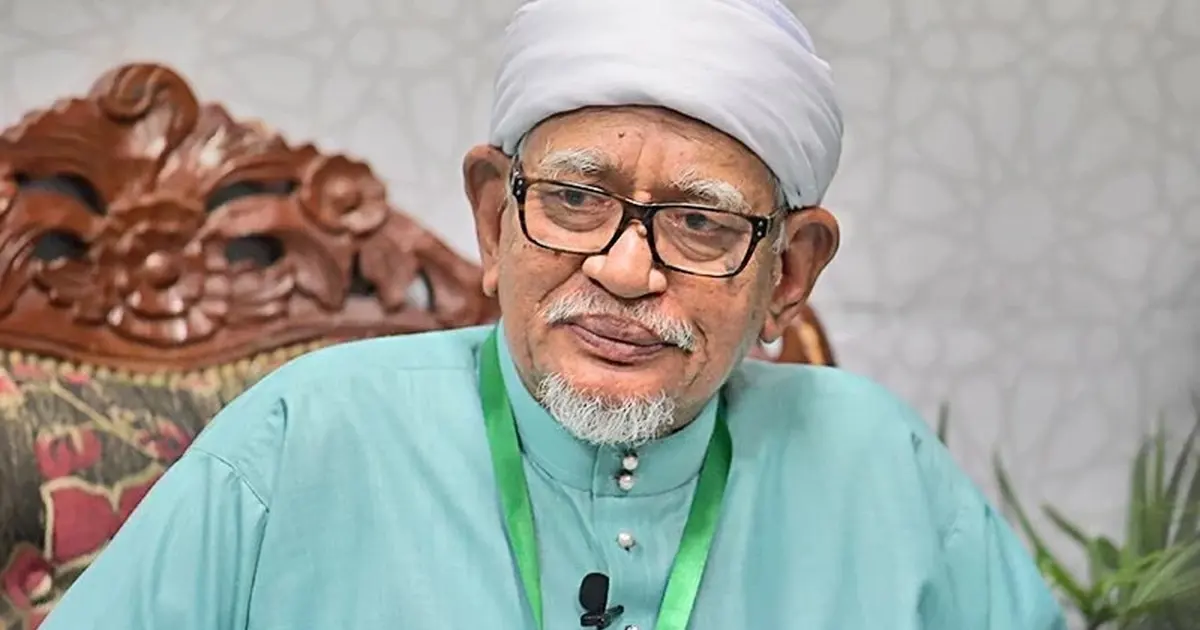
Discussions between PAS and Barisan Nasional regarding the distribution of parliamentary seats in Melaka remain in progress, according to PAS President Hadi Awang, who indicated that the negotiating teams are navigating a politically complex situation shaped by recent electoral outcomes. The talks represent a critical juncture for Malaysia's coalition politics, as the two blocs attempt to align their interests in one of the peninsula's most strategically important states.
The negotiating position of both parties is heavily influenced by the 15th General Election results, in which Barisan Nasional failed to capture any parliamentary constituencies in Melaka despite its traditional stronghold status in the state. This electoral setback has fundamentally altered the power dynamics and has become a central reference point in the ongoing discussions. Hadi's acknowledgment that this factor is being actively considered in negotiations suggests that PAS, which performed more strongly in GE15, holds a stronger negotiating position in determining how seats should be distributed between the coalition partners.
The composition of Malaysian federal politics has undergone significant transformation since the 2022 elections and subsequent political realignments. The relationship between PAS and Barisan Nasional has evolved from their historic separateness into a more coordinated arrangement, though tensions periodically surface over seat allocations and strategic direction. Melaka represents a test case for how these two entities can work together at the state level while maintaining distinct organizational identities and regional power bases.
Melaka's political significance extends beyond its three parliamentary constituencies. The state has served as a bellwether for Malaysian electoral trends and remains economically important as a historic port city and tourism destination. Control over its federal representation carries symbolic weight within coalition negotiations, and both parties recognize that outcomes in Melaka can influence calculations in other states where similar discussions are underway. The state's recent political volatility, including changes in state government composition, adds another layer of complexity to these federal-level negotiations.
Hadi's approach to publicly acknowledging these talks while emphasizing that the BN's parliamentary performance in GE15 will factor into discussions appears designed to signal to PAS grassroots supporters that the party is not surrendering leverage in exchange for coalition harmony. This messaging is crucial for maintaining party discipline and morale, particularly among PAS members who worked extensively in Melaka during the previous election cycle. The party president is essentially framing the negotiations as rational and principled rather than capitulations.
The broader context involves how PAS has transitioned from being primarily focused on East Coast Malay-Muslim constituencies to expanding its footprint across peninsula-wide seats. Melaka, while not traditionally a PAS stronghold, has become contested territory where the party believes it can make inroads. The party's negotiating strategy likely involves testing whether it can secure more seats in Melaka as evidence of its electoral viability in the broader Malaysian political landscape beyond its traditional geographic bases.
Barisan Nasional's position in these discussions is complicated by its need to stabilize and demonstrate continued relevance in federal politics. The coalition has experienced leadership transitions and organizational challenges in recent years, and securing a meaningful number of seats in any state, particularly Melaka, is important for projecting strength. However, the GE15 parliamentary results in Melaka are an objective fact that limits BN's ability to claim a strong mandate for seat retention, which weakens its negotiating hand considerably.
For Malaysian voters observing these negotiations, the talks underscore how seat allocations in contemporary Malaysian politics often depend less on voter preference within specific constituencies and more on inter-party bargaining at higher levels. This dynamic has generated ongoing criticism from observers who argue that such negotiations can divorce electoral outcomes from parliamentary representation. The Melaka discussions may therefore prompt renewed debate about whether coalition arrangements truly serve voter interests or primarily benefit party leadership.
The timing of these negotiations is significant given that Malaysian politics has entered a period of relative stability following the unity government formation in late 2022. However, this stability remains conditional on ongoing management of coalition tensions and equitable distribution of political rewards. The resolution of the Melaka seat question will likely influence how other state and federal seat distribution negotiations proceed, making it a precedent-setting discussion for Malaysian coalition politics moving forward.
Sector observers will be watching whether these negotiations conclude quickly or extend over several months, with the duration itself potentially signaling the difficulty of reconciling PAS and BN interests. Any agreement reached will likely involve trade-offs extending beyond just Melaka, with negotiations potentially linked to seat distribution arrangements in other states where both parties have competing interests. The principle that electoral performance matters in seat allocation—which Hadi's statement emphasizes—could become a more explicit framework for future coalition negotiations.

