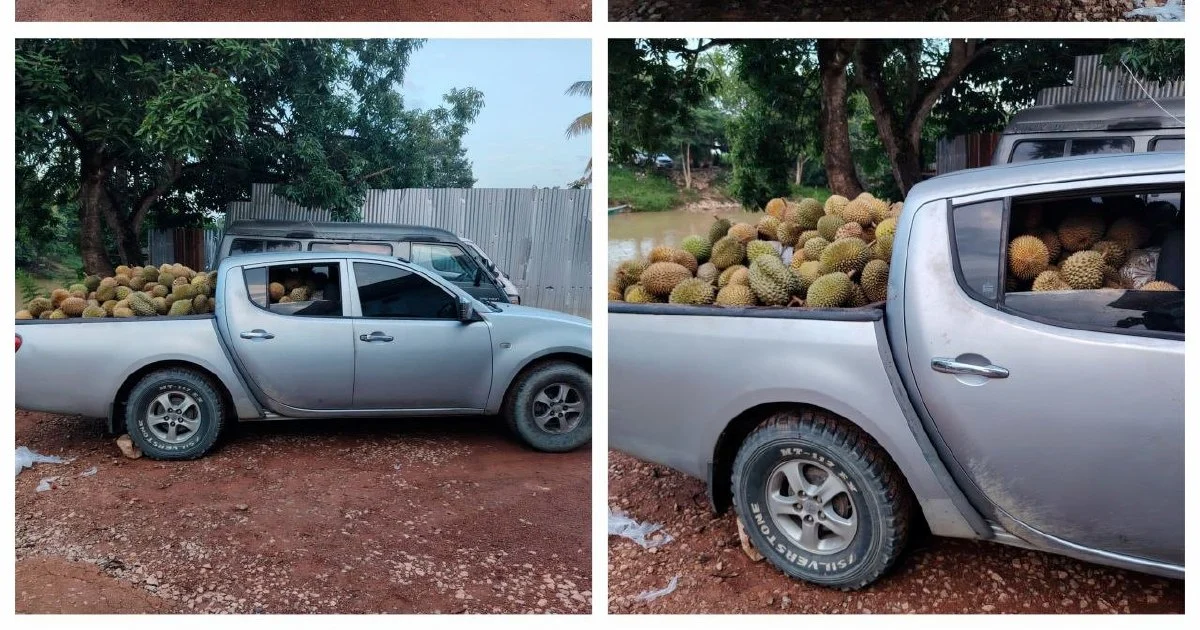
A part-time driving job promising modest daily earnings became a criminal liability for a 22-year-old man who was apprehended in Rantau Panjang last night with 700kg of suspected smuggled durians in his vehicle. What appeared to be straightforward work—offering remuneration of between RM60 and RM70 per day—escalated into a serious trafficking investigation, underlining how unsuspecting workers can become entangled in smuggling operations along Malaysia's land borders.
The arrest, made during an enforcement operation in this border town in Kelantan, signals intensified efforts to combat the illicit trade in agricultural products. Durian smuggling has emerged as a persistent challenge for Malaysian authorities, driven by substantial price differentials between domestic and regional markets. The sheer quantity seized—700 kilograms—suggests an organised operation rather than isolated instances of fruit trafficking, raising questions about the broader networks facilitating such contraband across the porous Kelantan-Thailand frontier.
Border enforcement agencies have long grappled with the complexity of intercepting smuggled goods. The durian trade, valued at hundreds of millions of ringgit annually, presents a lucrative opportunity for organised criminal groups exploiting wage labourers willing to undertake hazardous transport work. The young driver's meagre compensation—comparable to unskilled daily labour rates—indicates how these networks exploit economic desperation, recruiting individuals from lower income brackets who may underestimate legal consequences.
The Rantau Panjang checkpoint has historically been a focal point for smuggling activity, given its proximity to the Thailand border and strategic position on trafficking corridors. Increased vigilance there reflects recognition among enforcement bodies that border security requires constant adaptation. The successful seizure demonstrates operational effectiveness, yet the frequency of such interdictions suggests these networks rapidly regenerate capacity following losses of contraband or personnel.
Smuggled durians typically originate from Thai plantations, circumventing Malaysian import protocols and undercutting domestic producers through lower prices. Consumers purchasing fruit at anomalously low prices—particularly from unauthorised vendors—may inadvertently support illegal trading systems. This creates downstream economic pressure on legitimate Malaysian growers, who compete against bootleg supply chains while bearing compliance costs for certifications, phytosanitary standards, and legitimate trading channels.
The recruitment methodology evident in this case—offering temporary workers modest daily rates to transport goods—reflects calculated risk management by trafficking organisers. Individual couriers face potentially severe legal exposure, including criminal charges and imprisonment, while masterminds operating from secure locations insulate themselves from direct prosecution. For a 22-year-old, the promised earnings likely seemed attractive relative to other available employment, particularly if economic circumstances constrained opportunities.
Kelantan's vulnerability as a smuggling gateway stems from geography, infrastructure, and cross-border socioeconomic dynamics. The state's reliance on subsistence agriculture, coupled with proximity to Thailand's more developed agricultural export sector, creates natural incentives for illicit trade. Weather-related impacts on Malaysian crop yields periodically intensify smuggling pressures as local supply tightens and price premiums widen, making contraband more economically viable for trafficking rings.
Legal frameworks addressing smuggling have progressively stiffened, yet enforcement alone cannot eliminate root causes. Demand-side interventions—consumer awareness about sourcing and legal compliance—remain underdeveloped. Educational campaigns alerting shoppers to distinguishing smuggled fruit from legitimate stock could reduce market opportunities for contraband. Simultaneously, addressing wage inequality and expanding legitimate employment pathways for low-income workers would diminish the population available for recruitment into trafficking networks.
The driver's arrest will likely proceed through standard criminal procedures, though the extent of his culpability—whether he knowingly participated in smuggling or was deceived regarding cargo contents—remains to be established. Malaysian judicial precedents suggest sentencing severity correlates with conspiracy evidence and trafficking scale, potentially ranging from substantial fines to imprisonment depending on aggravating factors and prosecutorial discretion.
This incident reflects broader struggles affecting Southeast Asia's agricultural trade infrastructure. Thailand, Malaysia, Vietnam, and other regional producers compete in interconnected markets where regulatory arbitrage and border permeability incentivise illegal commerce. Harmonising standards, strengthening interagency coordination across national boundaries, and developing regional intelligence-sharing mechanisms could substantially disrupt smuggling operations serving international networks rather than isolated criminal groups.
For Malaysian authorities, the challenge extends beyond seizures and arrests to addressing the systemic conditions enabling repeated smuggling cycles. Labour market conditions, border infrastructure deficits, and regulatory enforcement gaps all require strategic attention. Until meaningful improvement occurs across these dimensions, border towns like Rantau Panjang will continue witnessing arrests of young workers drawn into trafficking through economic coercion, while organisers remain several steps removed from consequences.

