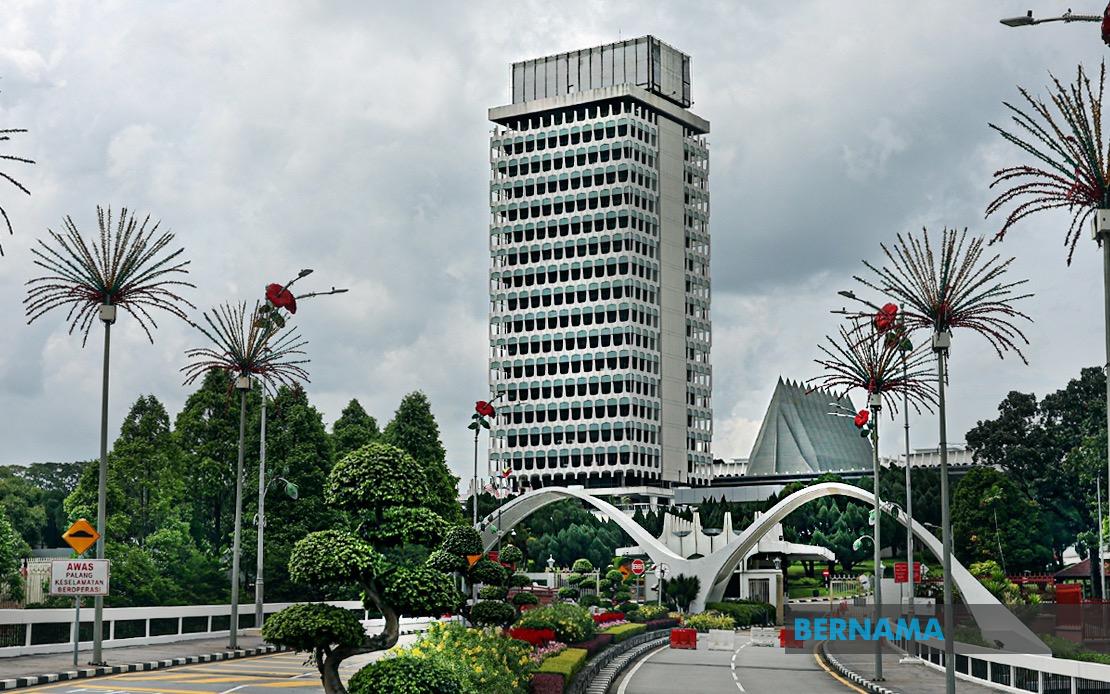
The third week of Parliament's sitting brought significant legislative action and substantive parliamentary debate, with lawmakers addressing economic competitiveness, constitutional governance, and lingering public concerns over one of Asia's largest corruption scandals. The week highlighted the government's dual focus on modernizing Malaysia's regulatory framework while managing the fallout from historical financial crises that continue to weigh on the national balance sheet.
Two related pieces of legislation aimed at strengthening market supervision moved through Parliament with passage of the Competition (Amendment) Bill 2026 and the Competition Commission (Amendment) Bill 2026. These measures represent the government's attempt to ensure that Malaysia's competition regime remains responsive to the realities of digital commerce and online platforms, where traditional anti-competitive behaviour takes new forms. By updating enforcement mechanisms, the government seeks to prevent monopolistic practices that could disadvantage consumers and smaller businesses competing in increasingly digital sectors. The amendments reflect recognition that Malaysia's regulatory architecture must evolve in tandem with technological disruption, particularly as e-commerce and digital services reshape economic patterns across the region.
Parliament also received for first reading the Control of Padi and Rice (Amendment) Bill 2026, which introduces substantially tougher consequences for misconduct within the agricultural supply chain. The proposal to increase maximum fines to RM1 million signals serious intent to combat fraud and malpractice affecting one of Malaysia's most politically sensitive sectors. Rice self-sufficiency remains a cornerstone of government policy, and vulnerabilities in the padi and rice industry—whether through adulteration, hoarding, or quality breaches—threaten both food security and prices that affect millions of household budgets. Strengthening penalties aims to make compliance economically rational for traders and processors who might otherwise cut corners.
The tabling and subsequent debate of the Human Rights Commission of Malaysia (SUHAKAM) Annual Report 2024 provided parliamentarians with an opportunity to place human rights concerns prominently on the legislative record. MPs advanced various recommendations arising from SUHAKAM's work, ensuring that civil liberties and rights protections remain part of ongoing parliamentary scrutiny rather than consigned to executive agencies alone. This mechanism reflects Malaysia's constitutional commitment to independent human rights monitoring, even as periodic tensions emerge between rights advocacy and government security priorities.
During Question Time, Prime Minister Datuk Seri Anwar Ibrahim addressed two subjects of considerable domestic and international attention: support for small and medium enterprises, and Malaysia's declining World Press Freedom Index ranking. Regarding MSMEs, the Prime Minister stressed that financial institutions must process loan and financing applications more swiftly and fairly, since these businesses remain critical employment generators and sources of innovation in Malaysia's economy. He indicated that government policy would continue emphasizing accessibility to credit as essential infrastructure for inclusive growth. On the press freedom question, Anwar provided a detailed explanation of the government's position, distinguishing between enforcement against content touching religion, race, and the royal institution—matters embedded in Malaysia's constitutional framework—and genuine suppression of political debate. He characterized press regulation not as political censorship but as application of existing legal boundaries.
Crucially, Anwar announced a significant procedural change: complaints against journalists employed by recognized media organizations will no longer automatically trigger enforcement investigations. Instead, allegations must first proceed through the Malaysian Media Council (MMM), a self-regulatory body comprising industry participants. This approach attempts to address international criticism of press freedom restrictions while preserving legal safeguards around sensitive topics. Whether the MMM pathway provides sufficient independence from government influence remains a question for press freedom advocates and Malaysia's international standing, particularly given that Malaysia's World Press Freedom Index position has deteriorated this year partly due to enforcement actions against media outlets.
Two Special Select Committees presented findings that expose persistent public health and social challenges. The Committee on Health highlighted alarming gaps in organ donation and transplantation frameworks, suggesting legislative and procedural reforms to increase donation rates and improve transplant outcomes. Simultaneously, the Committee on Women, Children and Community Development presented evidence documenting a troubling upward trend in abuse and violence cases across the six-year period from 2020 to 2026, raising questions about whether existing support services, law enforcement responses, and social interventions are adequate. Both reports point toward areas requiring sustained parliamentary attention and budgetary commitment.
Defense and security matters also featured prominently, with lawmakers debating the selection of a replacement missile system for the Littoral Combat Ships (LCS). The choice of naval armaments carries implications for Malaysia's maritime security posture, regional balance, and defence procurement processes. Questions about vape product seizures and suspected synthetic drug contamination similarly reflected parliamentary concern about emerging public health threats and enforcement effectiveness. Parliament also heard updates on efforts to digitalize systems across public healthcare facilities, a modernization drive essential for improving service delivery and reducing administrative inefficiency in Malaysia's hospital and clinic networks.
Particularly striking was the revelation by Deputy Finance Minister Liew Chin Tong that the government's total liabilities stemming from 1Malaysia Development Berhad (1MDB)—encompassing both settled obligations and outstanding amounts—reach RM51.4 billion. This figure starkly illustrates the enduring fiscal burden imposed by the corruption scandal that tarnished Malaysia's international reputation and depleted public resources. Six years after the scandal's exposure, taxpayers continue bearing substantial costs while global asset recovery efforts proceed haltingly. The disclosure underscores why ongoing parliamentary oversight of the 1MDB legacy remains necessary, serving as cautionary reminder of governance vulnerabilities and the importance of institutional checks.
In an administrative note reflecting broader wellness concerns, Dewan Rakyat Speaker Tan Sri Dr Johari Abdul reminded all members to prioritize regular health screenings, prompted by a lawmaker's recent admission to the National Heart Institute for treatment. This reminder carries symbolic weight in a parliament whose members, like all Malaysians, face rising chronic disease burdens alongside ongoing pandemic aftereffects. The parliamentary calendar itself has grown more demanding, and member wellbeing contributes directly to legislative effectiveness.
With one week remaining before the Fifth Session concludes on July 16, the Second Meeting still has opportunity to address additional matters. The legislative tempo reflects a government attempting to deliver on multiple fronts—economic modernization, governance strengthening, and managing inherited liabilities—while navigating the sometimes competing demands of press freedom, security, and rights protection. How these tensions ultimately resolve will substantially influence Malaysia's trajectory.

