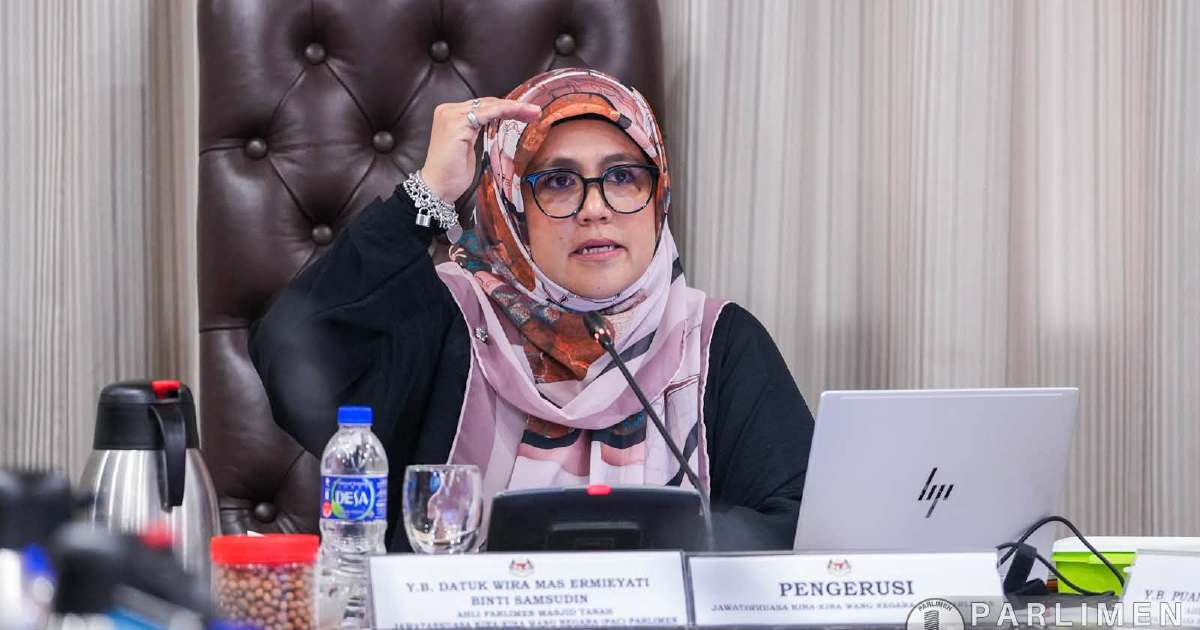
Parliament's Public Accounts Committee has unanimously endorsed a comprehensive inquiry into the governance structures, financial practices and investment performance of Lembaga Tabung Haji, signalling intensified parliamentary scrutiny of the Islamic fund that manages billions in savings for Malaysian pilgrims.
The decision to launch formal proceedings represents a significant escalation in oversight of the institution, which has faced mounting pressure to explain substantial losses and management shortcomings that have eroded public confidence. The unanimous vote underscores cross-party concern about how the organization has stewarded deposits from millions of Malaysian Muslims preparing for the Hajj pilgrimage to Mecca.
Tabung Haji's financial trajectory has deteriorated markedly in recent years, prompting questions from lawmakers about investment decisions, risk management protocols and corporate governance arrangements. The fund operates under a mandate to preserve and grow deposits while ensuring pilgrims can access savings when needed, a dual responsibility that has proven challenging amid market volatility and strategic missteps.
The PAC's decision to investigate reflects growing recognition that the organization requires renewed accountability frameworks. Members have sought clarification on how investment portfolios were constructed, whether adequate due diligence was conducted before capital deployment, and whether internal controls functioned effectively to prevent losses. These questions carry particular weight given Tabung Haji's fiduciary obligation to depositors, many of whom are middle and lower-income Malaysians saving incrementally toward their religious obligation.
For Malaysian policymakers and ordinary savers alike, the inquiry holds profound implications. Tabung Haji represents not merely a financial vehicle but a cornerstone of Islamic financial infrastructure in Malaysia, trusted by more than 9 million depositors. Concerns about its operational resilience therefore extend beyond mere accounting matters into questions about state capacity to protect citizens' assets and maintain institutional credibility.
The committee's investigation will likely examine specific investments that underperformed, scrutinize governance decisions made during periods of market stress, and assess whether management disclosed risks transparently to stakeholders. Particular attention may focus on real estate ventures, equity investments and other major capital allocations that generated losses during volatile economic conditions.
This inquiry arrives at a delicate moment for Southeast Asia's Islamic financial sector, which has expanded rapidly but faces credibility challenges when major institutions stumble. Malaysia's experience with Tabung Haji will inevitably influence regional discussions about oversight, transparency and accountability in Shariah-compliant institutions. Neighbouring countries watching the proceedings may draw conclusions about regulatory effectiveness that shape their own supervisory approaches.
The parliamentary investigation process itself may prove lengthy, requiring officials to produce documentation, justify decisions and respond to pointed questions from committee members. The eventual findings will likely prompt recommendations for governance reforms, potentially including changes to management structures, investment policies, and reporting requirements designed to prevent recurrence of identified weaknesses.
For depositors, the committee's work offers some reassurance that elected representatives are engaging seriously with institutional failures rather than allowing them to persist unchallenged. However, questions remain about whether enhanced oversight can fully restore confidence or whether deeper structural reforms are necessary. Stakeholders will watch closely to determine whether parliamentary attention translates into meaningful remedial action.
The unanimous vote carries symbolic weight beyond its procedural significance. It demonstrates that concerns about Tabung Haji transcend partisan divisions, suggesting that legislators across the political spectrum recognize the institution's importance to Malaysian Muslims and society more broadly. This consensus may facilitate implementation of recommendations emerging from the inquiry.
Regionally, Malaysia's commitment to investigating its Islamic financial institutions reinforces an emerging pattern of greater scrutiny in Southeast Asia. Indonesia, Singapore and other nations have similarly intensified oversight of their own Shariah-compliant financial entities, reflecting broader recognition that Islamic finance must meet the same rigorous governance standards as conventional banking.
The probe's scope will ultimately determine its effectiveness. Should the committee's terms of reference permit comprehensive examination of strategic decisions, investment selection processes and risk management frameworks, the investigation could yield valuable insights into institutional vulnerabilities. Conversely, a narrower focus might miss systemic issues requiring broader reform.
Deputies and observers alike understand that this inquiry's success will depend partly on management cooperation, access to internal records, and willingness to implement uncomfortable findings. The coming months will reveal whether institutional leadership embraces enhanced accountability or resists transparency measures that might expose past errors.

