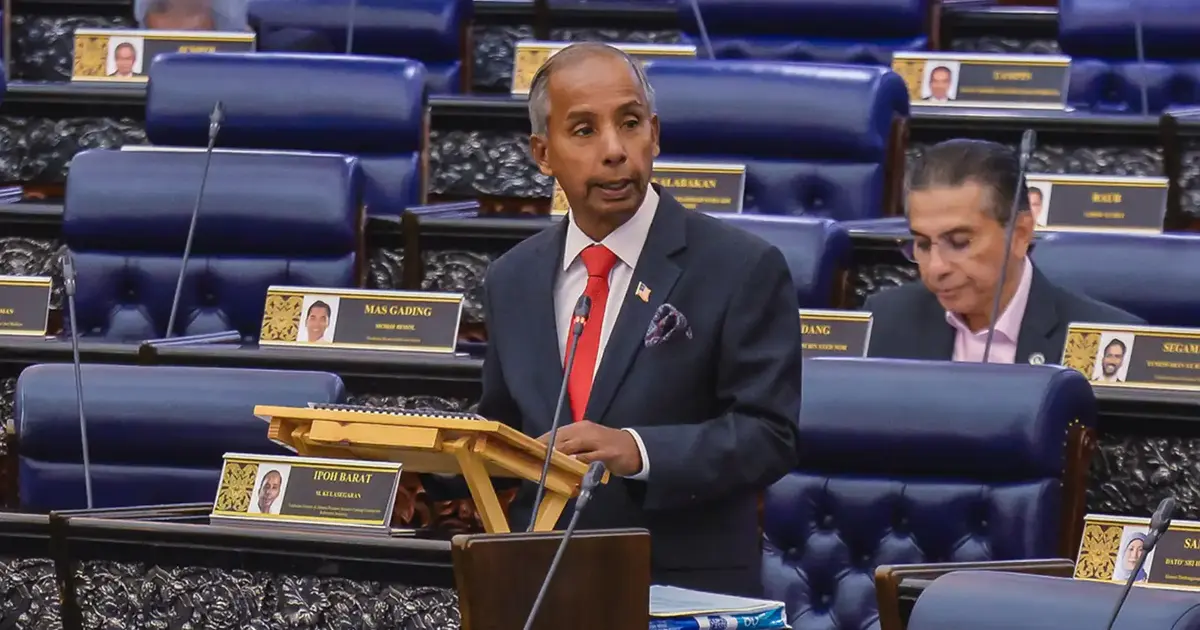
Lawmakers could soon gain access to CCTV recordings from the Taiping prison riot, according to a statement from the deputy law and institutional reform minister, though formal government approval remains a prerequisite for any such disclosure. The proposal signals potential movement toward greater parliamentary scrutiny of the incident, reflecting growing pressure from elected representatives seeking transparency into the circumstances surrounding the disturbance that occurred at the facility in Perak.
The deputy minister indicated that before footage can be shared with members of parliament, the Cabinet must formally evaluate and authorise the release. This procedural requirement reflects the government's measured approach to handling sensitive security-related materials, particularly when active legal proceedings are still unfolding. The cautious stance underscores the complexity of balancing democratic accountability with institutional security concerns and judicial processes.
A significant consideration blocking immediate disclosure involves the existence of ongoing court cases connected to the riot. Multiple individuals have faced legal charges stemming from their alleged involvement in the disturbance, meaning that releasing investigative evidence—such as the CCTV footage—could potentially compromise prosecutorial efforts or prejudice proceedings. Legal teams handling these cases would need time to assess how parliamentary access might affect their ability to present evidence or maintain case integrity.
The Taiping prison incident generated substantial concern among parliamentarians and civil society observers regarding prison management, inmate welfare, and security protocols at the facility. MPs from various political backgrounds have called for comprehensive disclosure of materials documenting what occurred, framing transparency as essential to understanding whether systemic failures contributed to the disturbance and whether reforms are needed across the prison system. This pressure from the legislature has prompted the government to contemplate how it might responsibly satisfy parliamentary demands.
Access to security footage could provide MPs with direct visual evidence regarding the sequence of events, the scale of the disturbance, the response by correctional staff, and any potential excessive force or security failures. Such firsthand review might allow legislators to conduct informed oversight rather than relying solely on written summaries or official briefings. However, the government remains mindful that uncontrolled distribution of security recordings could establish problematic precedents regarding what materials agencies must release in future incidents.
The institutional framework governing disclosure of CCTV footage from government facilities typically treats such materials as sensitive security documentation. Prison authorities must consider operational security implications when contemplating release, including concerns that footage could reveal security vulnerabilities, staff procedures, or facility layouts that might be exploited. These institutional interests can legitimately conflict with parliamentary transparency demands, requiring careful balancing.
Southeast Asia's prison systems have faced increasing international scrutiny regarding conditions, security practices, and incident management. Malaysia's willingness to consider legislative access to incident documentation represents a modest step toward greater institutional accountability within the region, though still constrained by practical concerns. Comparative experience from other democracies suggests that carefully controlled parliamentary access, with appropriate confidentiality restrictions, can facilitate legitimate oversight without compromising active legal proceedings.
The deputy minister's statement, while not committing to a definite timeline, suggests the government recognises the legitimacy of parliamentary interest in the incident. Obtaining Cabinet approval would likely require coordination between the law ministry, the justice ministry, and the attorney general's office to ensure that disclosure arrangements do not impede prosecutions. This multi-agency evaluation process could extend over several weeks or months depending on the complexity of ongoing cases.
For Malaysian MPs across party lines, access to the footage represents a necessary tool for evaluating whether correctional authorities responded appropriately to the disturbance and whether the incident reflects broader deficiencies in prison management requiring legislative intervention. Correctional reform has emerged as an increasingly salient issue in parliament, with cross-party coalitions pushing for improved conditions and professional standards. Comprehensive incident documentation would strengthen the evidence base for such reform initiatives.
The government's hedged position—indicating willingness to consider parliamentary access while emphasizing procedural requirements—reflects the practical realities governing sensitive security disclosures in functioning democracies. Complete transparency would compromise legitimate governmental interests, while total secrecy would undermine parliamentary accountability. The proposed approach of Cabinet-authorised, selective disclosure to MPs represents an attempt to navigate this tension, though the outcome remains uncertain pending formal governmental deliberation on the matter.

