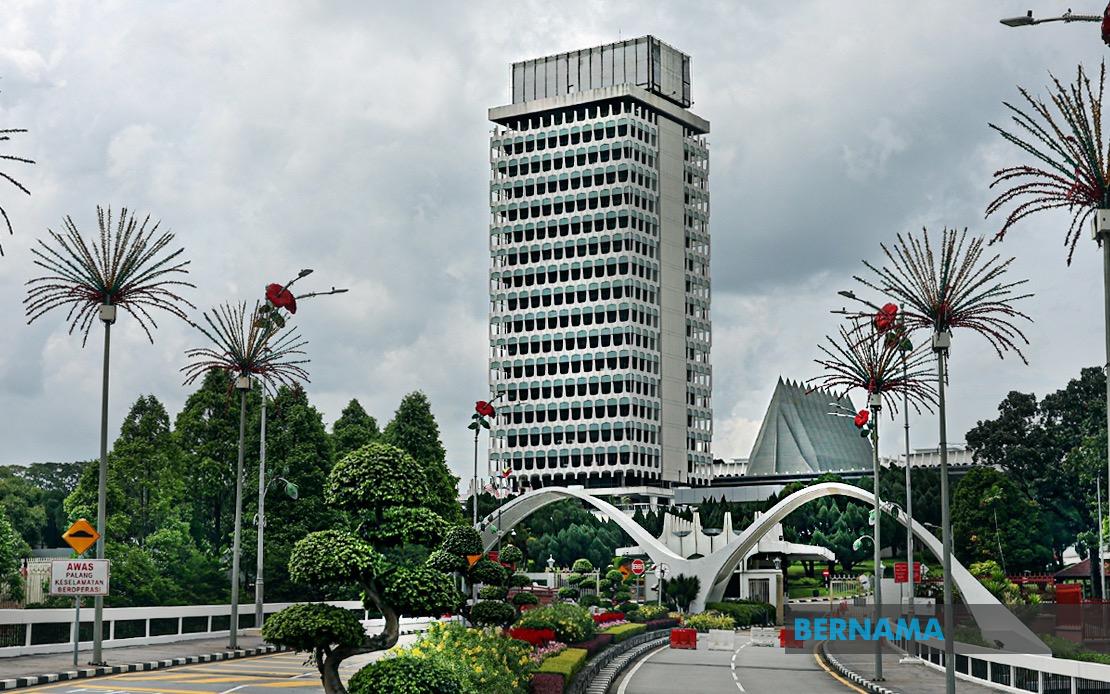
Parliament convened today with pressing economic and democratic concerns dominating the agenda, as multiple lawmakers prepared to interrogate the government on the mounting financial struggles of Malaysia's micro, small and medium enterprise sector alongside troubling questions about the nation's standing in international press freedom assessments.
Lee Chuan How, representing Ipoh Timor for Pakatan Harapan, initiated the parliamentary exchange by directing attention toward the acute financing bottleneck constraining MSME operators. The lawmaker sought clarification on whether the MADANI Government had adequately recognised the widespread anxiety among business owners attempting to access capital to sustain their operations through difficult economic periods. This line of questioning reflects deepening frustration within the entrepreneurial community, where traditional lending channels have become increasingly restrictive, forcing many small business owners to explore costlier informal financing avenues or curtail expansion plans altogether.
The MSME sector represents a vital economic engine for Malaysia, generating substantial employment across rural and urban regions while contributing meaningfully to export competitiveness and innovation. Yet persistent difficulty in securing working capital and investment financing has emerged as a structural constraint limiting the sector's potential. Policymakers have repeatedly acknowledged the importance of MSMEs to economic diversification, particularly as the country seeks to reduce dependency on traditional sectors. However, the gap between policy rhetoric and practical access to affordable financing remains substantial, creating a significant drag on entrepreneurial ambitions and broader economic dynamism.
Simultaneously, Ahmad Fadhli Shaari from Perikatan Nasional's Pasir Mas constituency raised concerns over Malaysia's declining international media freedom standing. The nation's ranking slipped to 95th place in the 2026 World Press Freedom Index, retreating significantly from the previous year's 88th position. This downward trajectory prompted the lawmaker to press the Prime Minister on what concrete measures the government intended to implement to strengthen media freedom protections and reverse the negative perception among international press freedom advocates.
Malaysia's declining ranking carries multiple implications for the nation's regional standing and domestic governance perception. International media freedom indices, though imperfect metrics, influence foreign investor confidence, diplomatic relationships, and broader assessments of institutional health. A deteriorating ranking signals to global observers potential constraints on information flow, editorial independence, or press accessibility—concerns that can affect Malaysia's competitiveness in attracting knowledge-intensive industries and multinational headquarters seeking operational bases in countries with robust democratic institutions.
The shift also reflects accumulated pressures on newsrooms and editorial operations within Malaysia, whether through regulatory frameworks, advertising market constraints, or informal pressure mechanisms that subtly discourage investigative reporting on sensitive topics. Media practitioners have documented increasing caution in coverage, particularly regarding political matters and corporate accountability issues that might involve powerful interests. The ranking decline thus encapsulates broader questions about the health of Malaysia's democratic institutions and the functional independence of institutions that citizens rely upon for trustworthy information.
Among other parliamentary matters, Aminolhuda Hassan representing Sri Gading raised a distinct but socially significant proposal regarding accessibility infrastructure for elderly Malaysians. The lawmaker enquired whether the government contemplated establishing a dedicated Senior Citizens-Friendly Fund to facilitate mosque and surau installations of wheelchair ramps, accessible toilets, and other facilities enabling mobility-limited worshippers to participate in religious community life. This initiative addresses a frequently overlooked dimension of social inclusion, recognising that Malaysia's rapidly ageing demographic profile demands deliberate institutional adaptation to ensure equitable participation in civic and spiritual activities.
The parliamentary agenda extended beyond these immediate questions to encompass larger constitutional matters. The Dewan Rakyat scheduled continuation of deliberations on the Constitution (Amendment) (No. 2) Bill 2026, which proposes separating the offices of Attorney General and Public Prosecutor—a structural reform with significant implications for judicial independence and prosecutorial autonomy. Additionally, lawmakers prepared to scrutinise the 2024 Annual Report and Financial Statement of SUHAKAM, the Human Rights Commission of Malaysia, ensuring parliamentary oversight of the institution responsible for monitoring compliance with constitutional rights protections.
These diverse parliamentary matters collectively illustrate the multi-faceted governance challenges confronting contemporary Malaysia. Economic constraints limiting MSME dynamism, media environment concerns affecting information access, demographic pressures requiring inclusive social infrastructure, and constitutional calibration regarding institutional separation of powers represent interconnected dimensions of national development. The parliamentary discourse reflects growing recognition that sustainable progress demands simultaneous attention to economic enablement, institutional robustness, social inclusion, and democratic functionality—objectives that cannot be pursued in isolation but rather demand coherent, integrated policy frameworks responsive to both immediate constituent concerns and longer-term national positioning within an increasingly competitive regional and global context.

