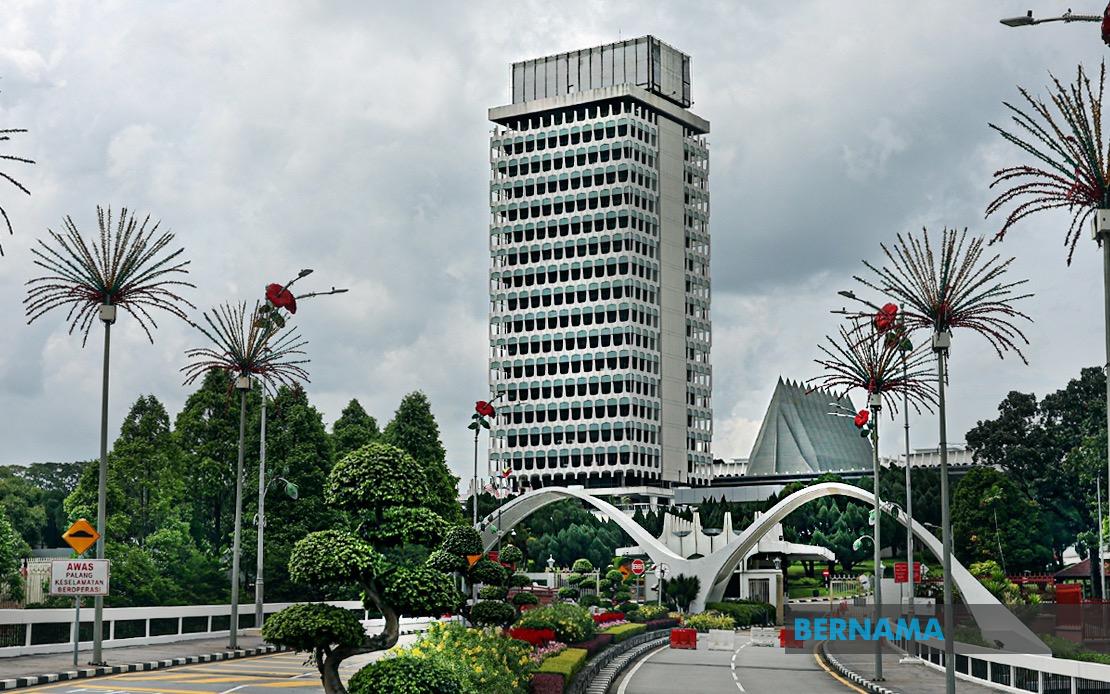
Malaysia's Parliament is turning its attention to several pressing matters affecting the nation's economic competitiveness and regional standing, with lawmakers set to scrutinise the government's progress on renewable energy initiatives, foreign policy positioning, and data security frameworks. The deliberations come as the country navigates a complex global environment characterised by energy volatility and intensifying competition for technological leadership in Southeast Asia.
Central to today's parliamentary agenda is the rollout of the Corporate Renewable Energy Supply Scheme, a key plank of Malaysia's energy transition strategy. Rodziah Ismail from Ampang will press the Minister of Energy Transition and Water Transformation for concrete details on how many companies have enrolled in the programme and how implementation is progressing on the ground. Her questions extend beyond simple participation metrics to probe the findings of a broader System Access Charge rate review—a technical assessment that carries significant implications for Malaysia's aspirations to become a regional hub for data centre operations. The levelling of access charges and operating cost structures for facilities hosting cloud services and artificial intelligence infrastructure will substantially influence foreign investment decisions and the viability of large-scale digital enterprises considering relocation to Malaysian soil.
The economic ripple effects of global energy instability have triggered concerns about job creation and business viability across sectors. Mohd Syahir Che Sulaiman will ask the Economy Minister what concrete steps the National Economic Action Council has taken to mitigate rising redundancies and corporate contractions as businesses grapple with elevated operating expenses. This line of questioning reflects deepening anxiety in Malaysian business circles about the cumulative burden of international supply chain disruption, heightened energy costs, and uncertain consumer demand patterns. The response will provide insight into whether government support mechanisms are reaching affected workers and enterprises effectively, or whether the economic safety net requires recalibration.
Fuel subsidy policy has become another flashpoint. Datuk Seri Hasni Mohammad will challenge the Finance Minister on the rationale behind recently standardised fuel subsidy targeting mechanisms, particularly the use of identity card verification for diesel distribution. He will also interrogate whether the 200-litre entitlement for both petrol and diesel adequately reflects consumer needs and purchasing patterns, signalling potential discontent with subsidy restrictions among rural and transport-sector constituencies.
Malaysia's foreign policy toward Myanmar represents a particularly delicate issue requiring parliamentary scrutiny. William Leong Jee Keen will probe the Foreign Minister on how the country's diplomatic position aligns with the Five-Point Consensus framework established through regional dialogue. The Five-Point Consensus represents the Association of Southeast Asian Nations' collective effort to stabilise Myanmar following the 2021 military coup, and Malaysia's adherence to or deviation from this consensus carries implications for regional cohesion and ASEAN's credibility as a diplomatic force. The question signals concerns about whether Malaysian policy pronouncements genuinely reflect progress toward democratic restoration or whether rhetoric has outpaced tangible engagement with Myanmar's military-led administration.
Data sovereignty and national security form another critical intersection. Datuk Seri Amirudin Shari will interrogate the Digital Minister on coordination between federal and state-level data infrastructure initiatives, particularly Selangor's Dark Fiber Network project. The underlying concern is whether Malaysia's patchwork approach to digital infrastructure could inadvertently create security vulnerabilities or compromise sensitive data. His subsequent question about alignment with the government's 2030 artificial intelligence readiness target highlights tension between rapid technology adoption and protective governance—a challenge confronting all Southeast Asian nations seeking digital advancement without surrendering control of critical information flows.
Educational standards and constitutional implementation commitments round out the parliamentary focus. Datuk Idris Ahmad will seek Prime Minister clarification on how effectively Islamic Education curricula are developing students intellectually and morally, and whether coordination between federal authorities and state religious councils maintains consistent standards. Simultaneously, Isnaraissah Munirah Majilis will press for updates on Malaysia Agreement 1963 implementation, specifically the timeline for increasing Sabah and Sarawak parliamentary representation to 35 percent of nationwide seats—a long-standing commitment that carries significant ramifications for the balance of power between peninsula and East Malaysian interests within parliament itself.
A detailed Public Accounts Committee briefing on escalating health insurance premiums and private hospital charges will provide parliament with documented evidence of cost pressures affecting ordinary Malaysians. The presentation will assess responsibility across the Finance Ministry, Health Ministry, and Bank Negara Malaysia, offering legislators systematic analysis of whether market forces, regulatory gaps, or institutional practices are driving healthcare cost inflation.
The parliamentary session, which commenced June 22 and continues through July 16, provides space for comprehensive examination of these interconnected policy domains. The deliberations on renewable energy implementation, economic resilience, foreign policy consistency, and data sovereignty reflect Malaysia's navigation of contemporary challenges—energy transition, economic uncertainty, regional diplomatic complexity, and technological competition—that will substantially shape the nation's development trajectory over coming years.

