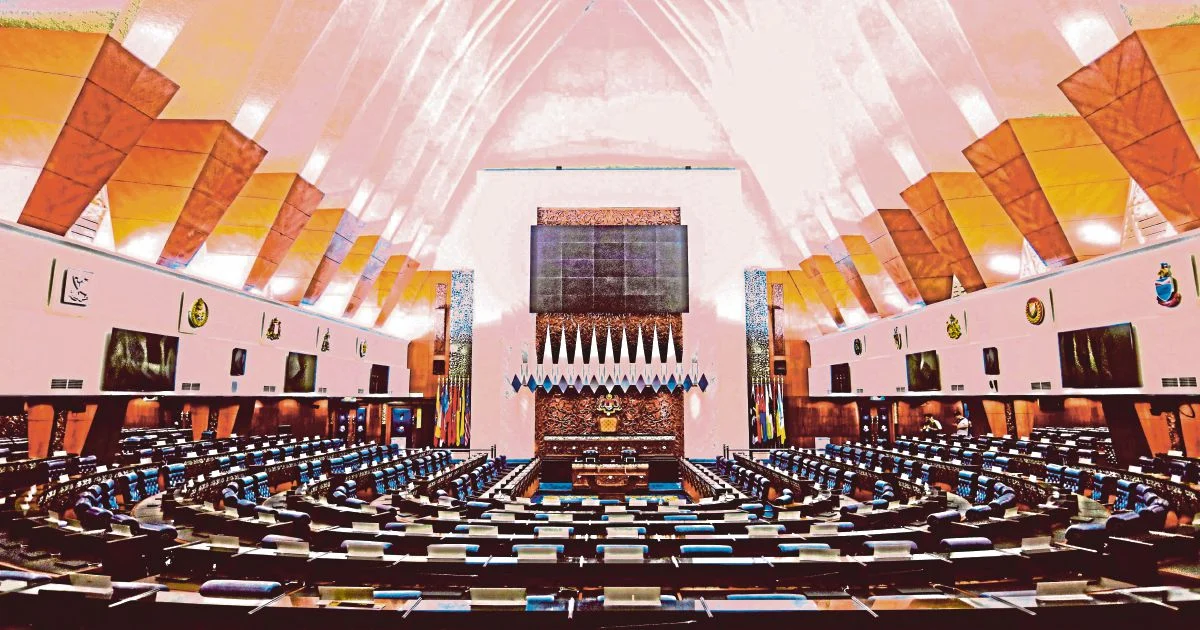
Lawmakers in the Dewan Rakyat are scheduled to examine two matters of considerable significance to Malaysia's regional standing and economic interests today: the advancement of the Malaysia-Thailand Border Economic Zone and the escalating challenges posed by instability in the Strait of Hormuz. These interconnected issues reflect the nation's broader engagement with neighbouring economies and its vulnerability to disruptions in critical global shipping lanes.
The Malaysia-Thailand Border Economic Zone represents a strategic initiative designed to deepen bilateral integration and unlock growth potential in the northern border region. The development of this corridor hinges on coordinated infrastructure investment, regulatory harmonisation, and private-sector participation across both nations. Parliamentary scrutiny of the project will likely focus on implementation timelines, funding mechanisms, and whether domestic businesses—particularly small and medium enterprises in Perlis, Kedah, and the northern states—are adequately positioned to benefit from the expanded trading framework.
Economic zones along international borders serve as catalysts for inclusive growth but require careful management to address concerns among local communities. The Malaysia-Thailand initiative aims to facilitate cross-border investment, streamline customs procedures, and create employment opportunities in complementary sectors. However, questions persist regarding environmental stewardship, labour standards, and the equitable distribution of gains between large corporations and grassroots entrepreneurs. Parliamentary deliberations could clarify government commitments on these fronts and establish accountability mechanisms.
The Strait of Hormuz crisis represents an external risk factor with profound consequences for Malaysia's energy security and shipping industry. This strategic waterway, through which approximately one-third of global maritime petroleum trade transits, has experienced heightened tensions that threaten supply continuity and elevate insurance costs for vessels navigating the route. Malaysia, as a net energy importer with substantial maritime commerce, faces direct exposure to disruptions originating from geopolitical friction in the region.
Rising petroleum prices triggered by Hormuz instability ripple through Malaysian inflation metrics and manufacturing competitiveness, directly affecting ordinary households and export-oriented industries. The nation's petrochemical, refining, and industrial manufacturing sectors depend on stable energy pricing; prolonged supply uncertainty undermines business planning and investment confidence. Parliamentarians will inevitably seek assurances that the government is pursuing diplomatic channels, diversifying import sources, and preparing contingency measures to cushion economic impact.
Malaysia's position as a key regional player in Southeast Asia imposes responsibility for constructive engagement in matters affecting shared prosperity. The Strait of Hormuz crisis transcends bilateral concerns; it threatens the entire region's maritime security and freedom of navigation. Parliamentary discussion of this matter signals Malaysia's commitment to upholding international norms and emphasises the urgency of de-escalation through multilateral dialogue and adherence to UN Convention on the Law of the Sea protocols.
The timing of these parliamentary debates underscores the interconnectedness of regional economic development and global stability. While the Malaysia-Thailand Border Economic Zone embodies optimistic visions of intra-ASEAN cooperation, Hormuz tensions remind policymakers that external shocks can jeopardise the gains from regional integration. A balanced approach requires simultaneous progress on trade facilitation while strengthening resilience against external vulnerabilities.
For Malaysian stakeholders engaged in export-oriented manufacturing, shipping, and energy-dependent industries, parliamentary oversight of these matters carries tangible implications. Clarity on border zone governance directly influences investment decisions and operational planning for northern Malaysian businesses contemplating cross-border ventures. Similarly, transparency regarding government contingency planning for Hormuz disruptions—including strategic petroleum reserve management and fuel subsidy policies—affects corporate budgeting and consumer confidence.
The parliamentary session reflects broader strategic recalibrations underway across Southeast Asia as nations balance deepening intra-regional ties with vigilance toward external risks. The Malaysia-Thailand Border Economic Zone exemplifies ASEAN's commitment to integration; the Hormuz crisis underscores persistent geopolitical vulnerabilities. Legislative scrutiny ensures that both initiatives receive adequate policy attention and resource allocation, while democratic accountability remains intact throughout implementation phases of these consequential undertakings.

