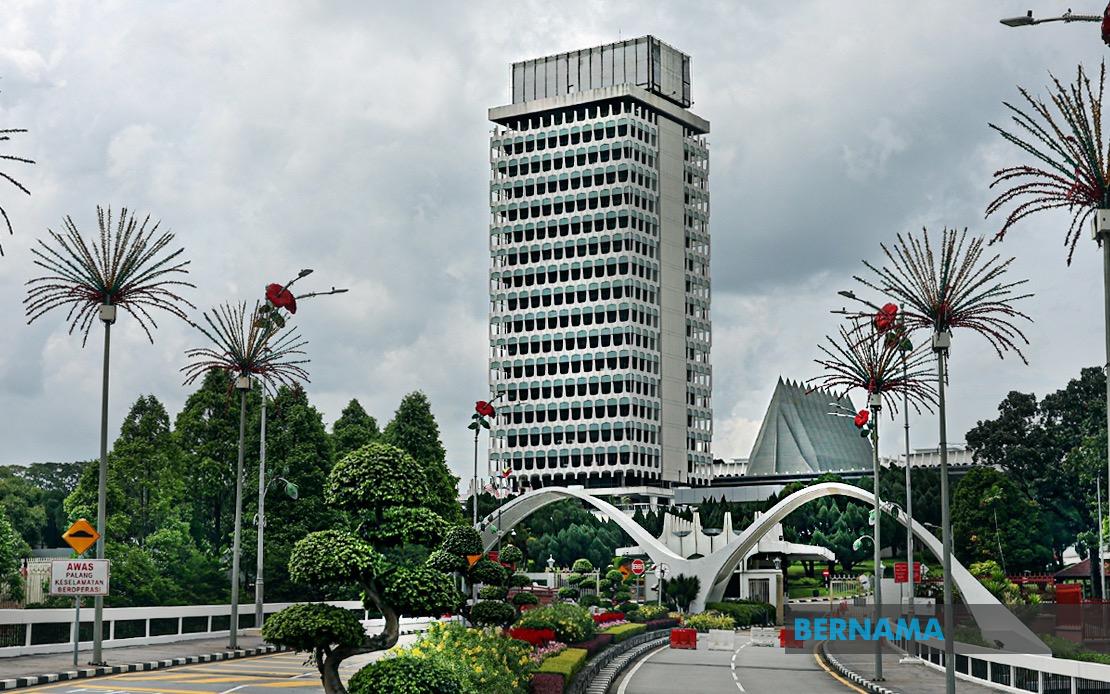
The Dewan Rakyat commenced its latest sitting today with several pressing issues commanding parliamentary attention, notably the ripple effects of instability in the West Asian region on Malaysia's crucial tourism sector and the preparedness of security apparatus in strategically sensitive areas. The 16-day parliamentary session, which will extend through July 16, reflects growing concerns among lawmakers about the vulnerability of Malaysia's economic interests abroad and its capacity to manage emerging security challenges at home.
Dr Ahmad Fakhruddin Fakhrurazi, representing Kuala Kedah under Perikatan Nasional, has submitted a parliamentary question directed at the Tourism, Arts and Culture Minister seeking a detailed assessment of how geopolitical tensions in West Asia have dampened visitor flows to Malaysia. The question specifically focuses on tourist arrivals from three critical markets—the Middle East, Europe, and West Asia itself—all of which represent substantial revenue streams for the Malaysian tourism industry. This line of inquiry reflects a legitimate anxiety within the tourism sector, as regional conflicts typically trigger travel advisories and tourism cancellations that disproportionately affect countries geographically proximate to conflict zones, even when they themselves remain unaffected.
The government has been asked to elaborate on what strategic initiatives it is implementing to maintain momentum in tourism growth despite these external headwinds. The broader context here is Malaysia's ambitious tourism recovery targets following the pandemic, with the sector representing a significant employment generator and foreign exchange earner. The questioning suggests that without proactive messaging and targeted marketing campaigns, Malaysia risks losing market share to competing destinations in Southeast Asia that may be perceived as safer alternatives by risk-averse international travellers.
Parallel to tourism concerns, Datuk Mohd Suhaimi Abdullah, Member of Parliament for Langkawi, has raised critical questions about border security and migrant smuggling networks operating in that region. Langkawi's geographic position adjacent to Thailand creates particular vulnerabilities, as the maritime border has historically served as a conduit for illegal movement of persons and contraband goods. Suhaimi's parliamentary query addresses whether the security agencies deployed throughout Langkawi possess adequate personnel and material resources to effectively interdict smuggling operations, a concern that has intensified as human trafficking networks become increasingly sophisticated in Southeast Asia.
The Langkawi MP has also specifically asked whether the Home Ministry plans to deploy unmanned aerial vehicles (UAVs) or drone technology to enhance border surveillance capabilities. This question reflects growing international practice, as neighbouring countries have already incorporated drone assets into their maritime security strategies. The deployment of such technology could significantly improve surveillance coverage over Langkawi's territorial waters and the Malaysia-Thailand maritime boundary, allowing security forces to detect illicit movement in real time and respond with greater agility than traditional surface patrols alone.
Manndzri Nasib from Tenggara, representing the Barisan Nasional coalition, has directed questions to the Natural Resources and Environmental Sustainability Minister concerning human-elephant conflict mitigation efforts. The deployment of additional Ecological Fiscal Transfer (EFT) funds and community engagement programmes under PERHILITAN has been questioned regarding their actual effectiveness in reducing incidents of conflict between wild elephants and rural populations. This reflects a persistent problem in Malaysian conservation areas, particularly in peninsular states where elephant corridors intersect with agricultural and residential development zones.
The parliamentary query extends to the government's strategy for expanding Electric Fencing for Elephants (SPEG) technology, a non-lethal deterrent system that has shown promise in protecting both human settlements and elephant populations from deadly encounters. The expansion of SPEG deployment would require coordinated effort across multiple government agencies and private stakeholders, raising questions about institutional capacity and budgetary commitment to wildlife-human coexistence measures. This issue represents broader tensions between development pressures and conservation imperatives across Southeast Asia.
Datak Willie anak Mongin, representing Puncak Borneo under the GPS coalition, has submitted parliamentary questions focused on Malaysia's critical housing shortage, specifically querying the Housing and Local Government Minister on inventory levels of unsold affordable housing units disaggregated by state and price categories. This line of questioning underscores persistent challenges in Malaysia's housing market, where affordability remains elusive for younger demographic cohorts despite repeated government policy interventions and targeted housing schemes.
Willie's inquiry also seeks disaggregated data on actual homeownership rates among Malaysians under age 35, broken down by state and parliamentary constituency. This request for granular demographic data reflects recognition that broad national statistics often obscure significant regional disparities in housing accessibility and wealth accumulation patterns. Young Malaysians face structural barriers to homeownership including rising property prices that have outpaced wage growth, tightened mortgage lending criteria, and competition from foreign investors and institutional landlords. The parliamentary scrutiny of these metrics suggests growing pressure on the government to deliver tangible improvements in housing accessibility.
Two legislative measures are scheduled for second reading during this parliamentary session. The Sexual Offences against Children (Amendment) Bill 2026 represents a continuing effort to strengthen legal protections for vulnerable minors, while the Employment Insurance System (Amendment) Bill 2025 addresses worker welfare provisions. Both bills reflect ongoing policy refinement across social protection domains, though they compete for parliamentary time and resources alongside the diverse range of constituency and sectoral concerns raised through individual parliamentary questions.
The breadth of issues commanding parliamentary attention—spanning international geopolitics and tourism competitiveness, maritime security and transnational crime, wildlife conservation and human safety, housing affordability and worker protection—illustrates the multifaceted policy challenges confronting Malaysian governance. These parliamentary questions serve as mechanisms for opposition and backbench scrutiny of ministerial performance, establishing public records of government accountability on matters ranging from economic resilience to regional security and social welfare. The session's extended 16-day duration allows sufficient time for substantive debate on these interconnected policy challenges.

