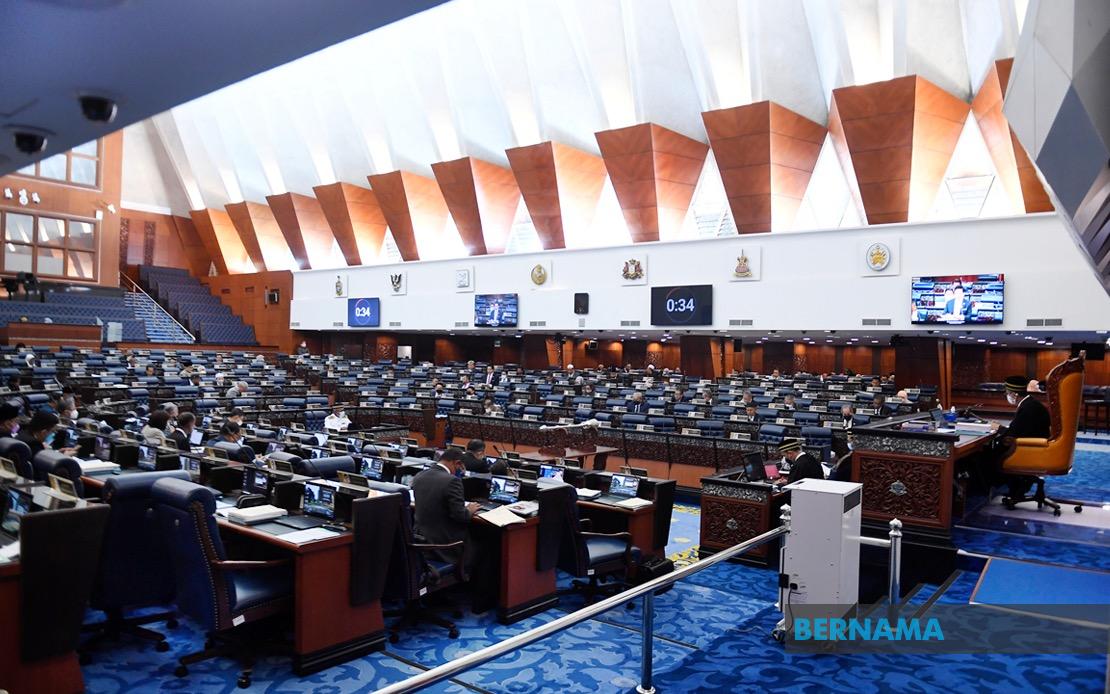
Malaysia's Dewan Rakyat convened on June 30 to address two contentious governance issues that have drawn increasing political scrutiny: the equitable distribution of federal funds to state governments and the compliance framework surrounding campaign conduct restrictions during election periods. These matters, featuring prominently on the parliamentary agenda, reflect deeper concerns about fiscal federalism and electoral integrity as the nation prepares for imminent state elections in Johor, Melaka, and Negeri Sembilan.
The question of fairness in federal allocations emerged as a primary parliamentary concern, with Datuk Seri Doris Sophia Brodi from GPS-Sri Aman challenging the Prime Minister to address allegations that state governments receive insufficient federal resources relative to the revenue they contribute to national coffers. This line of inquiry strikes at fundamental questions about how Malaysia distributes development resources across its thirteen states and three federal territories. States have long contended that the allocation formula fails to reflect their fiscal contributions or adequately address their development needs, particularly regarding infrastructure, healthcare, and education services. The MADANI Government's response to these concerns, particularly its proposed improvements to the allocation mechanism, carries significant implications for federal-state relations and may influence how state governments approach partnership with the central administration.
Complementing this examination, Datuk Seri Dr Shahidan Kassim from Perikatan Nasional raised questions about the standing and enforcement of campaign conduct rules that prohibit announcement of government allocations or projects following the closure of nomination periods. This restriction, intended to level the electoral playing field and prevent incumbent advantages, has become increasingly important as Malaysia strengthens its electoral governance framework. The timing of his question proved particularly relevant given the proximity of three major state elections, where such enforcement mechanisms would directly impact campaign dynamics and government communications strategies. The inquiry specifically sought clarity on what mechanisms the authorities would deploy to ensure compliance, suggesting some uncertainty about enforcement consistency across different electoral contests.
Beyond these primary governance concerns, the parliamentary session addressed emerging threats to information integrity and technological readiness. Datuk Seri Ismail Sabri Yaakob requested the Communications Minister outline comprehensive strategies to counter the proliferation of artificial intelligence-generated content, particularly deepfake videos circulating on digital platforms. This concern reflects growing regional and global anxiety about synthetic media's potential to manipulate public opinion and undermine democratic processes. The question implicitly acknowledged that Malaysian institutions have not yet fully mobilised against this challenge, requiring urgent coordination across regulatory agencies and technology platforms to develop verification systems and content labelling mechanisms that enable citizens to distinguish authentic from fabricated material.
The inquiry into Malaysia's electricity infrastructure readiness demonstrated parliament's engagement with long-term economic development requirements. Chong Zhemin from Pakatan Harapan queried whether the national grid possesses adequate capacity to service burgeoning demand from data centres and artificial intelligence facilities. This question carried significant economic weight, as the rapid expansion of these energy-intensive industries represents both opportunity and infrastructure challenge. Southeast Asia's competitive positioning in attracting regional technology investment depends partly on reliable, affordable electricity supply, making this parliamentary examination relevant to Malaysia's broader regional economic strategy.
The mySalam social protection scheme for the bottom 40 per cent of income earners came under parliamentary examination regarding its practical effectiveness in reaching vulnerable populations. Similarly, inquiries into the MADANI Book Voucher programme sought data on redemption rates, suggesting parliamentary concern about whether flagship social programmes achieve their intended take-up levels. These questions reveal systematic legislative oversight of welfare implementation, ensuring that policy design translates into tangible citizen benefit rather than remaining purely theoretical commitments.
Women's economic participation featured prominently through questioning of TalentCorp's initiatives, particularly the Career Comeback Programme designed to facilitate women's return to formal employment following career interruptions. Malaysia's female workforce participation rate, while improving, remains below regional benchmarks and potential, making such programmes instrumental to enhancing national human capital utilisation and economic productivity. Parliamentary scrutiny of programme effectiveness ensures accountability and informs evidence-based adjustments to retention and re-entry strategies.
The Program Jualan Rahmah MADANI, a subsidised retail initiative aimed at mitigating cost-of-living pressures, faced questions regarding nationwide implementation consistency and potential programme frequency expansion. The inquiry reflected parliament's recognition that inflation and rising household expenses persist as politically salient concerns affecting government legitimacy and public welfare. Requests for enhanced programme frequency indicated parliamentary appetite for more robust cost-of-living intervention, though such expansion carries budgetary implications requiring careful fiscal management.
Following these question-time exchanges, the parliamentary agenda proceeded to substantive legislative matters, resuming debate on the Sexual Offences Against Children (Amendment) Bill 2026. This legislative initiative represents parliament's commitment to strengthening child protection frameworks through updated criminal law provisions, a priority increasingly recognised across the region as societies confront persistent threats to child safety and welfare.
Parliament additionally considered the Dewan Negara's amendments to the Employment Insurance System (Amendment) Bill 2025, reflecting ongoing efforts to modernise Malaysia's employment security framework and expand social protection coverage. This legislation carries implications for both workers and employers, necessitating careful balancing of interests to ensure sustainable implementation without deterring business investment or employment creation.
The Cyber Crime Bill 2026 rounded out the legislative portfolio, addressing governance gaps in digital security and online criminal activity jurisdiction. As Malaysia's digital economy expands and cyber threats evolve in sophistication, robust legislation becomes essential to protect citizens, businesses, and critical infrastructure while respecting privacy and due process rights. These three legislative items collectively demonstrate parliament's engagement with contemporary governance challenges spanning child protection, employment security, and digital security—issues that resonate significantly throughout Southeast Asia as nations navigate rapid technological change and evolving social requirements.

