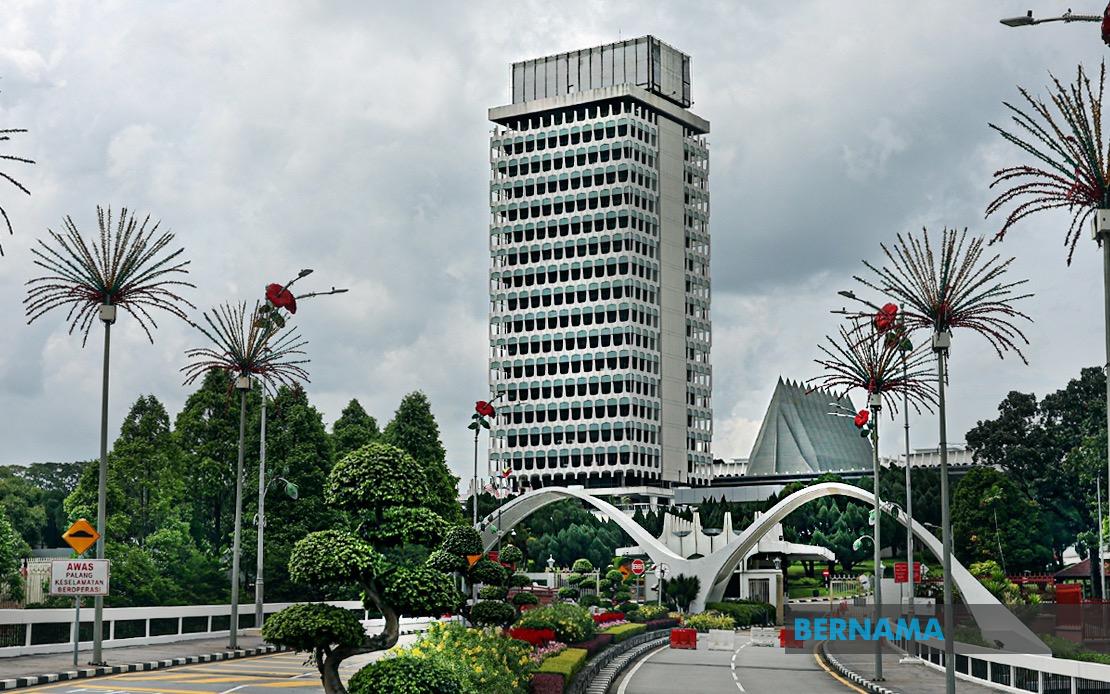
The Dewan Rakyat convenes this week to scrutinise two pressing matters affecting Malaysian development and public health: the planned rollout of the East Coast Expressway Phase 3 through a public-private partnership arrangement, and intensified government efforts to stem the distribution of harmful vaping products to youth and school-age populations. The 16-day parliamentary session, running through July 16, will tackle these initiatives through questioning and substantive debate, reflecting Parliament's role in holding the executive accountable on infrastructure and social policy.
The proposed East Coast Expressway Phase 3, commonly abbreviated as LPT3, represents a significant undertaking for the eastern corridor of Peninsular Malaysia. During Question Time, Wan Hassan Mohd Ramli, representing Dungun under the Perikatan Nasional banner, will press the Works Minister for clarity on the government's reasoning behind adopting a PPP model rather than direct state funding or alternative procurement methods. This line of questioning signals opposition scrutiny of what many regard as a pivotal decision affecting Malaysia's transport infrastructure trajectory. The PPP approach has become increasingly common for major Malaysian projects, yet remains controversial due to long-term cost implications for taxpayers and concerns about private sector profit margins.
A central concern animating Wan Hassan's query involves the eventual toll structure that users will face once LPT3 becomes operational. The PPP model typically requires private operators to recoup investment through toll revenue, raising questions about affordability for commuters, particularly those in the less economically developed eastern states. The Works Minister will need to articulate how the government balances the imperatives of attracting private capital investment with the public interest in reasonable tolls. Additionally, the timeline for implementation remains uncertain, and clarity on project sequencing matters for businesses and individuals planning regional connectivity and economic development strategies.
The vaping crisis affecting Malaysian youth has escalated into a significant governance challenge requiring coordinated enforcement action. Datuk Mas Ermieyati Samsudin, the Masjid Tanah representative from Perikatan Nasional, will question the Home Minister regarding planned enforcement mechanisms targeting criminal syndicates that manufacture, distribute, and market vape products specifically to teenagers and school pupils. This represents a notable hardening of government posture against vaping networks, moving beyond public health messaging toward direct law enforcement intervention. The focus on syndicate operations indicates recognition that organised criminal elements profit substantially from supplying nicotine and other substances to minors.
The vape enforcement question carries particular salience in Malaysia, where regulatory gaps and porous supply chains have enabled the proliferation of counterfeit and unregistered products. Many vape liquids circulating in schools lack proper labelling, contain undisclosed substances, and evade health department oversight. By targeting distributors rather than only end-users, the government signals intent to dismantle supply networks rather than merely punishing consumption. However, implementation challenges loom large—distinguishing between legitimate retailers and illicit syndicates, training enforcement personnel, and coordinating across state and federal jurisdictions all present operational hurdles that Parliament may probe.
Another dimension of government accountability examined during the session involves border management efficiency. Batu MP P. Prabakaran, representing the Pakatan Harapan coalition, will raise concerns about persistent congestion at Malaysia's entry points and seek assurance that immigration clearance procedures are being expedited. This question reflects public frustration with lengthy queues at airports, land borders, and ports—delays that hamper tourism, trade, and routine cross-border movement. The query implicitly challenges government performance on a bread-and-butter service delivery issue that affects millions of Malaysians annually.
Immigration bottlenecks carry economic consequences extending well beyond individual inconvenience. Tourism operators suffer when visitors endure hours at immigration, businesses experience delays shipping goods across borders, and foreign investors perceive administrative friction as a cost of doing business. The question signals that opposition lawmakers view border efficiency as an actionable governance metric where performance can be measured and improved. Government responses will likely reference digitalisation initiatives and personnel augmentation, yet critics may argue that structural inadequacies persist despite modernisation efforts.
Healthcare digitalisation and hospital congestion surface as additional parliamentary concerns through Temerloh MP Salamiah Mohd Nor's query to the Health Minister. The effectiveness of platforms such as MySejahtera and electronic health records in reducing government hospital overcrowding merits examination given their significant development costs and the considerable resources invested in their deployment. These digital tools ostensibly enable appointment scheduling, reduce unnecessary emergency visits, and streamline patient flows—yet evidence suggests their practical impact on tangible congestion remains uneven across the country. Urban hospitals in Klang Valley, Penang, and other high-density areas continue reporting severe capacity strain despite these technological interventions.
The parliamentary inquiry into healthcare digitalisation reflects broader questions about the government's investment priorities in the health system. Critics contend that IT modernisation, while valuable, cannot substitute for inadequate bed capacity, understaffed departments, and insufficient funding for equipment and medicines. Salamiah's question invites the Health Minister to demonstrate concrete returns on digital health infrastructure investment—a challenge given complex cause-and-effect relationships between technology and clinical outcomes. The response will reveal how the government evaluates success and whether it acknowledges technological solutions alone cannot resolve systemic resource constraints.
Beyond these substantive matters, Parliament will conduct winding-up debate on the 2024 Annual Report and Financial Statements of the Human Rights Commission of Malaysia, commonly known as SUHAKAM. This discussion provides Parliament opportunity to review SUHAKAM's operations, investigate resource allocation, and assess whether the independent commission adequately fulfils its statutory mandate to promote and protect human rights. SUHAKAM's role has grown increasingly important as civil society scrutinises government compliance with international human rights obligations and domestic constitutional guarantees.
The parliamentary sitting structure—combining Question Time interrogation of ministers with substantive policy debates—enables members to pursue accountability across multiple fronts. The selection of topics for this particular session reflects preoccupations shared across political coalitions: infrastructure modernisation, youth protection, administrative efficiency, and healthcare performance. While partisan disagreements will emerge regarding specific policy approaches and implementation success, the common thread involves demands that government demonstrate competent stewardship of public resources and regulatory authority.
For Malaysian observers and regional analysts monitoring parliamentary dynamics, this sitting exemplifies how Westminster-derived legislative institutions continue functioning as venues for executive accountability despite occasional perceptions of parliamentary decline globally. The diversity of questions spanning transport, law enforcement, border management, health, and human rights demonstrates Parliament's broad supervisory reach. The coming 16-day session will generate policy proposals, ministerial responses, and potentially legislative amendments reflecting legislators' engagement with practical governance challenges confronting the nation.

