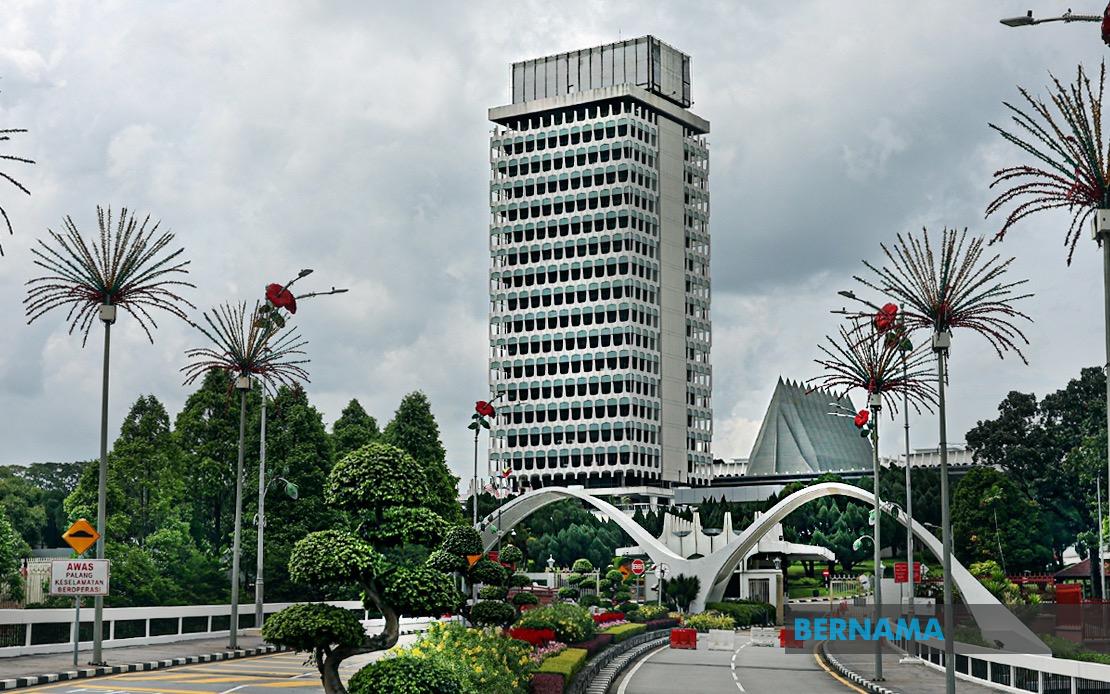
Malaysia's parliament resumed sitting today with an agenda firmly anchored on economic vulnerability and digital governance, as lawmakers prepare to examine how Middle Eastern shipping disruptions are rippling through the national economy and what safeguards the government is putting in place against emerging technological threats. The opening session of the Second Meeting of the Fifth Session of the 15th Parliament marks a critical moment for the country to assess both external shocks and internal preparedness across multiple fronts affecting everything from manufacturing costs to religious affairs and national security.
The Strait of Hormuz emerges as a dominant concern, with Datuk Dr Richard Rapu @ Aman anak Begri positioned to interrogate the Economy Minister on how trade interruptions through this critical chokepoint are affecting domestic industries, particularly their operating expenses and the broader inflationary environment. The parliamentarian's focus on second-quarter 2026 inflation data underscores growing anxiety about whether cost pressures from shipping disruptions are translating into price increases for Malaysian consumers and businesses. Since roughly one-third of global seaborne trade passes through the Hormuz Strait, any obstruction poses immediate consequences for import-dependent economies like Malaysia, where manufacturing sectors depend heavily on timely supply chain flows.
Beyond the immediate disruption question, Dr Rapu is also expected to challenge the government on whether contingency frameworks embedded within the 13th Malaysia Plan can sustain projected GDP growth if the global economy slides into prolonged recession. This line of inquiry reflects deeper anxieties within parliament about whether current economic strategies contain sufficient buffers against cascading external shocks—a relevant concern given Malaysia's exposure to volatile commodity prices, tourism fluctuations, and semiconductor manufacturing cycles. The government will need to articulate concrete alternative pathways for maintaining growth targets if external conditions deteriorate markedly.
The haj management system also features prominently on today's agenda, with Onn Abu Bakar raising questions to the Prime Minister about proposed improvements for the 2027 pilgrimage season. His emphasis on cost structures, waiting periods, and pilgrim welfare reflects longstanding complaints from Malaysian Muslims about the expense and bureaucratic delays involved in performing this fundamental Islamic obligation. With hundreds of thousands of Malaysians seeking to undertake the haj annually, inefficiencies in registration, coordination, and health protocols cascade into genuine hardship for devout families. The government's response will indicate whether substantive reforms are materializing or whether the system remains administratively cumbersome.
Artificial intelligence governance appears set to generate considerable parliamentary energy, particularly Wong Shu Qi's questioning of the Digital Minister regarding the scope of the AI Governance Bill currently in draft form. Her specific emphasis on deepfake child sexual exploitation material, identity spoofing, and non-consensual explicit content distribution reflects a sophisticated understanding of how AI technology enables novel crimes that existing legal frameworks struggle to address. These concerns are not merely theoretical—Southeast Asian nations have documented rising cases of synthetic sexual imagery involving minors, and enforcement agencies often lack adequate statutory tools to prosecute perpetrators. Malaysia's positioning on this issue will signal whether the country intends to take a leadership stance on AI crime prevention within the region.
Food security implications of Middle Eastern geopolitics also warrant parliamentary scrutiny, as Datuk Dr Radzi Jidin seeks clarity from the Agriculture and Food Security Minister on government interventions responding to regional conflict spillovers. Malaysia's dependence on food imports from the Middle East and surrounding regions means that prolonged instability directly threatens household food security and agricultural sector stability. The minister will need to articulate short-term measures addressing immediate price pressures, medium-term strategies for supply chain diversification, and long-term investments in domestic production capacity—a tripartite approach essential for resilience.
The parliamentary calendar itself reflects legislative ambition, with the Dewan Rakyat scheduled to convene for sixteen consecutive sitting days extending through mid-July. This extended session suggests that government and opposition alike recognize the importance of intensive deliberation and legislative output during this period. The tabling of the Cybercrime Bill 2026 alongside amendments to the Road Transport Act 1987 indicates that lawmakers intend to advance legal frameworks across multiple governance domains simultaneously.
The Cybercrime Bill represents another dimension of the parliament's focus on digital governance, recognizing that cyber-enabled offences have proliferated beyond existing criminal law provisions. As cyber-attacks against critical infrastructure escalate globally and criminal syndicates increasingly operate across borders through digital channels, Malaysia must modernize its statutory toolkit. The timing of this legislation alongside the AI Governance Bill signals recognition that traditional cybercrime approaches and emerging AI-specific threats require complementary legislative responses rather than piecemeal updates.
For Malaysian business and consumer interests, today's parliamentary session carries tangible implications. Companies dependent on imported inputs through the Hormuz Strait face potential cost pressures that may necessitate either margin compression or price transmission to customers. Ordinary Malaysians concerned about deepfake exploitation or identity theft gain insight into whether parliament intends to protect them through robust digital crime legislation. Families planning haj pilgrimages will monitor whether parliamentary pressure translates into genuine system improvements or rhetorical commitments. The breadth of today's agenda—spanning geopolitical trade disruptions, religious obligations, technological governance, and food security—illustrates how Malaysian policymaking must navigate an increasingly complex intersection of global instability and domestic expectations.

%22%2F%3E%3C%2Fpattern%3E%3C%2Fdefs%3E%3Crect%20width%3D%22100%25%22%20height%3D%22100%25%22%20fill%3D%22url(%23ph378eqg)%22%2F%3E%3Crect%20width%3D%22100%25%22%20height%3D%22100%25%22%20fill%3D%22url(%23ph378eqp)%22%2F%3E%3Ctext%20x%3D%2250%25%22%20y%3D%2250%25%22%20text-anchor%3D%22middle%22%20dominant-baseline%3D%22central%22%20fill%3D%22rgba(255%2C255%2C255%2C0.95)%22%20font-family%3D%22Georgia%2C%20'Times%20New%20Roman'%2C%20serif%22%20font-weight%3D%22700%22%20font-size%3D%22320%22%20letter-spacing%3D%22-0.02em%22%3EMuda%3C%2Ftext%3E%3C%2Fsvg%3E)
%22%2F%3E%3C%2Fpattern%3E%3C%2Fdefs%3E%3Crect%20width%3D%22100%25%22%20height%3D%22100%25%22%20fill%3D%22url(%23ph3ukt1g)%22%2F%3E%3Crect%20width%3D%22100%25%22%20height%3D%22100%25%22%20fill%3D%22url(%23ph3ukt1p)%22%2F%3E%3Ctext%20x%3D%2250%25%22%20y%3D%2250%25%22%20text-anchor%3D%22middle%22%20dominant-baseline%3D%22central%22%20fill%3D%22rgba(255%2C255%2C255%2C0.95)%22%20font-family%3D%22Georgia%2C%20'Times%20New%20Roman'%2C%20serif%22%20font-weight%3D%22700%22%20font-size%3D%22320%22%20letter-spacing%3D%22-0.02em%22%3EIran%3C%2Ftext%3E%3C%2Fsvg%3E)