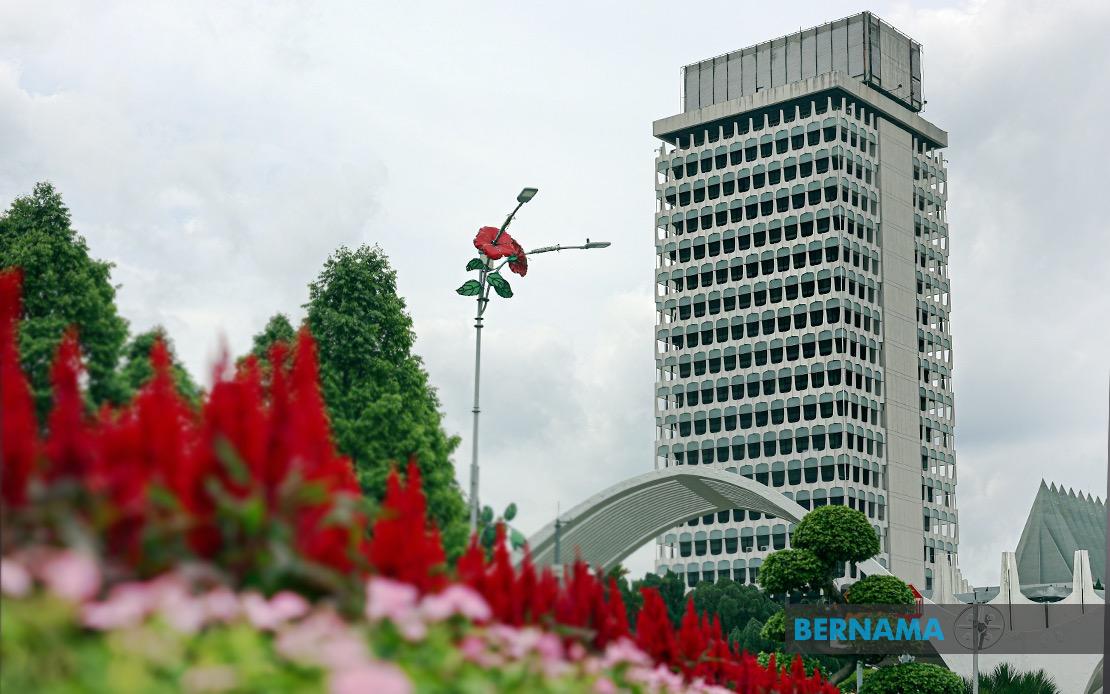
Malaysia's Parliament commenced deliberations on Wednesday on three critical matters affecting national security, food production, and social stability, as legislators raised questions spanning agricultural resilience, military operational safety, and religious extremism. The parliamentary sitting featured queries from government and opposition benches addressing interconnected challenges that shape Malaysia's immediate policy landscape and long-term development priorities.
The prospect of El Niño conditions looms as a primary concern for the nation's agricultural economy and household food security. Bakti Jamaluddin, representing the Tangga Batu constituency under the Barisan Nasional coalition, directed questions at the Agriculture and Food Security Minister regarding comprehensive government contingency planning for the climatic phenomenon. His parliamentary inquiry zeroed in on the structural vulnerabilities within Malaysia's food system, particularly the dependency on irrigation infrastructure that becomes unreliable during El Niño episodes. The question sought clarification on specific mitigation strategies for padi production, broader crop cultivation, and livestock operations—sectors that collectively support both rural livelihoods and national food independence objectives.
ElNiño episodes, characterized by warming ocean temperatures in the Pacific, typically reduce rainfall across Southeast Asia and create severe water stress for agricultural regions. For Malaysia, which relies substantially on monsoon patterns and irrigated agriculture, such disruptions threaten rice self-sufficiency targets and drive upward pressure on food import bills. The parliamentary exchange reflects growing anxiety within government circles about climate volatility and its capacity to destabilize food prices at consumer level, an issue with direct electoral consequences in a democratic society where bread-and-butter concerns drive voter behaviour.
A separate parliamentary question addressed an alarming security lapse within the Malaysian Armed Forces training apparatus. Datuk Mohd Isam Mohd Isa, the Tampin representative, pressed the Defence Minister for a detailed account of how a hand grenade detonation occurred during routine military exercises, an incident that raises fundamental questions about institutional safety culture and operational discipline. Beyond mere accident explanation, his inquiry demanded assurances that the ministry would implement reinforced standard operating procedures specifically designed to prevent comparable incidents recurring. Such lapses in training safety, where servicemembers face preventable hazards, undermine recruitment morale and public confidence in military institutional competence.
The inquiry signals parliamentary oversight of defence sector management and reflects concern that operational shortcuts or inadequate supervision permitted dangerous conditions to develop. For a professional military maintaining public trust during sensitive geopolitical periods in Southeast Asia, such incidents carry reputational costs extending beyond the immediate accident scene. The parliamentary spotlight likely catalyzes internal reviews and procedural corrections within training commands.
Governance reforms affecting Malaysia's capital administration also featured prominently in parliamentary questioning. Tan Kok Wai from the Cheras constituency, representing the Pakatan Harapan opposition coalition, sought Prime Ministerial assurance on administrative and governance reforms forthcoming at Kuala Lumpur City Hall following completion of a feasibility study examining the Federal Capital Act 1960. The query touches on concerns about institutional effectiveness, integrity safeguards, and service delivery standards affecting millions of residents in the federal territory. Such governance modernization efforts become politically significant when urban populations perceive bureaucratic inefficiency or corruption.
A fourth parliamentary intervention from Sabri Aziz, the Jerai representative aligned with Perikatan Nasional, addressed the spreading influence of heterodox Islamic interpretations and teachings that diverge from mainstream Islamic jurisprudence within Malaysia. His question demanded enumeration of concrete government intervention mechanisms designed to halt the expansion of deviant theological narratives while simultaneously strengthening religious conviction among vulnerable populations previously exposed to such unorthodox teachings. This parliamentary focus underscores official anxiety about religious radicalization dynamics and their capacity to fragment social cohesion in a multiconfessional democracy where religious harmony remains foundational to national stability.
Public health challenges affecting younger demographic cohorts also commanded parliamentary attention during the Question Time segment. Datuk Dr Richard Rapu, the Betong representative from GPS, directed health ministry questioning toward epidemiological trends for non-communicable diseases, particularly diabetes and hypertension incidence rates among Malaysians under thirty years of age. His inquiry encompassed evaluation of the government's War on Sugar public health initiative and the sugar tax enforcement mechanism in reducing national obesity prevalence. The question indicates parliamentary recognition that lifestyle disease burden accelerates among youth populations, creating long-term healthcare cost pressures and diminished labour productivity.
The parliamentary session additionally scheduled tabling of the National Trust Fund Bill 2026 for second reading by the Finance Minister, indicating legislative movement on financial instruments likely designed to address specific social or economic policy objectives. This legislative milestone concludes the fifteen-day Second Meeting of the Fifth Session of Parliament's fifteenth term, marking completion of a parliamentary cycle that encompassed diverse policy areas touching agricultural security, military operational standards, capital administration, religious affairs, public health, and financial instruments.
Collectively, the parliamentary agenda reflects the interconnected policy challenges confronting Malaysian governance during a period marked by climate uncertainty, military professionalism standards, administrative modernization demands, religious cohesion pressures, and preventive healthcare imperatives. Parliamentary interrogation of executive branch preparedness on these fronts represents foundational democratic accountability mechanisms, ensuring that elected representatives maintain supervisory authority over government operations and institutional performance across critical sectors.

