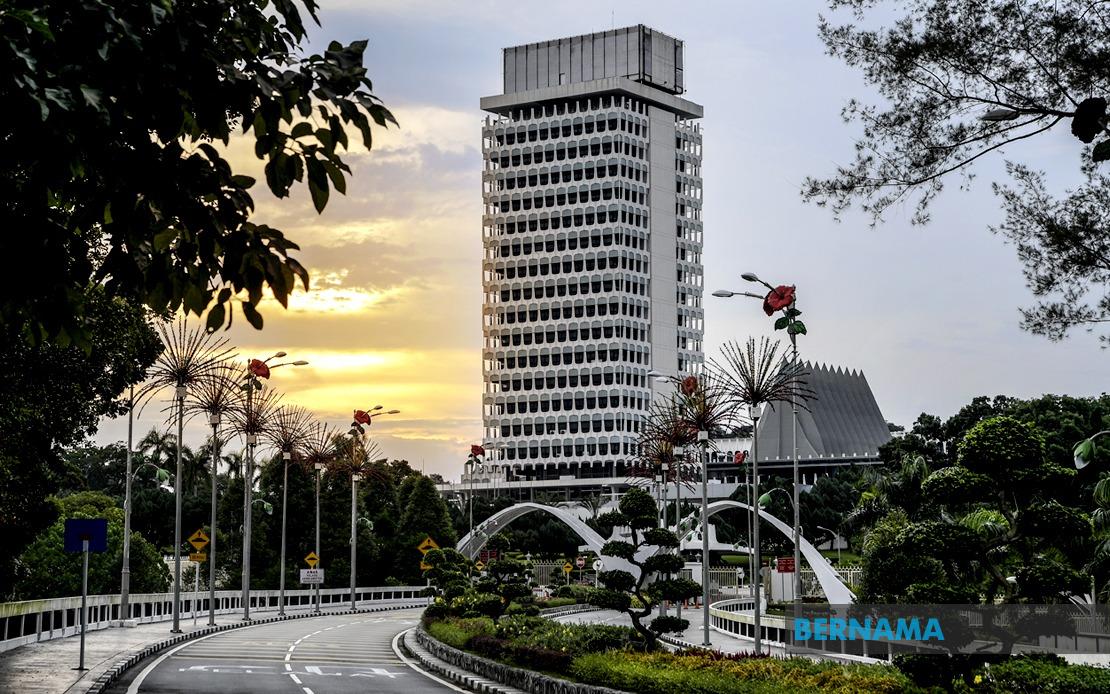
The Dewan Rakyat is set to examine several pressing policy matters affecting ordinary Malaysians, ranging from insurance consumer protections to long-term retirement security and sports development. The parliamentary sitting scheduled for today will see multiple ministers fielding questions on their respective portfolios, reflecting growing parliamentary scrutiny of policies designed to shield citizens from financial vulnerability while supporting economic participation across sectors.
Central to the day's agenda is the question of health insurance safeguards, with Tan Kok Wai from Cheras under the Pakatan Harapan coalition preparing to press the Finance Minister on regulatory strengthening measures. The concern centres on policyholders facing unexpected policy cancellations and claim rejections, particularly those managing critical illnesses or cancer treatment costs. The parliamentarian will seek clarity on what protections the government intends to introduce, alongside mechanisms to enhance transparency in the insurance claims process and improve dispute resolution pathways when disagreements arise between insurers and patients.
This line of questioning reflects a broader pattern of consumer dissatisfaction within Malaysia's insurance sector, where individual policyholders often find themselves disadvantaged when navigating complex claim procedures or disputing rejections they believe unjustified. The inquiry signals parliamentary recognition that stronger consumer protections may be necessary to prevent what some view as unfair practices that leave vulnerable individuals bearing catastrophic medical costs.
Equally significant is Datuk Seri Aminuddin Harun's planned question regarding retirement adequacy among Employees Provident Fund contributors. The Port Dickson representative will challenge the Finance Minister to articulate how the government ensures Malaysian workers accumulate sufficient retirement savings given the dual pressure of escalating living expenses and demographic shifts pointing toward an ageing population by 2030. This question acknowledges the tension between current household cash flow constraints and long-term retirement security, particularly as inflation erodes purchasing power and dependency ratios worsen.
Retirement savings adequacy has emerged as a critical policy concern across Southeast Asia, as rapid population ageing coincides with rising costs for healthcare, housing, and daily living. Malaysia's situation is compounded by the reality that many workers struggle with present financial obligations, limiting their capacity to contribute additional voluntary savings despite knowing their future pension may prove insufficient under current economic conditions.
On the sporting front, Zakri Hassan from Kangar under the Perikatan Nasional coalition will question the Youth and Sports Minister about talent development initiatives for volleyball disciplines. Both indoor and beach volleyball represent competitive spheres where Malaysian athletes might establish regional presence, yet systematic talent identification and nurturing programmes remain inconsistent compared to other sports. The question suggests parliamentary interest in whether adequate resources and strategic planning underpin volleyball development or whether the sector remains underfunded relative to its potential.
Another focus area involves rural digital inclusion and economic empowerment. Hassan Saad will direct questions toward the Communications Minister regarding the National Information Dissemination Centres (NADI), seeking evidence of their effectiveness in improving socio-economic conditions for rural populations. The underlying concern reflects documented disparities in internet connectivity, digital literacy, and e-commerce capabilities among small-scale entrepreneurs in less urbanised areas—structural disadvantages that limit their market reach and competitiveness.
Parliament will also examine the Mobile eCOSS application deployed since May 2025, which aims to combat subsidy leakage in the controlled distribution of packet cooking oil. This initiative represents a technological approach to reducing fiscal waste in subsidy programmes, a perennial challenge for government budgets. Effectiveness data will help determine whether digital tracking systems can meaningfully improve the integrity of price-controlled commodity distribution.
Microenterprise financing schemes constitute another examination point, with ministers expected to defend their effectiveness in supporting MSMEs—entities critical to employment and regional economic dynamism across Malaysia. Parliamentarians are clearly seeking assurance that loan programmes, guarantees, and other financing instruments translate into tangible business growth and sustainability rather than merely accumulating unused credit facilities.
The sitting will proceed to a Health Select Committee briefing on organ donation and transplant system reform, signalling parliamentary engagement with healthcare infrastructure modernisation. The committee's findings on the national organ donation framework may inform policy adjustments to improve transplant access and equity.
Legislatively, parliament will continue deliberations on the Competition (Amendment) Bill 2026 and undertake the second reading of the Competition Commission (Amendment) Bill 2026. These measures represent the government's effort to modernise competition law frameworks, potentially affecting market structure, consumer welfare, and corporate conduct across sectors from telecommunications to retail and financial services.
The current session, the Second Meeting of the Fifth Session under the 15th Parliament, extends across 16 days through July 16. This extended sitting period reflects the volume of legislative and oversight business requiring parliamentary attention, suggesting lawmakers face a substantial agenda balancing legislative reform with ministerial accountability on implementation matters.

