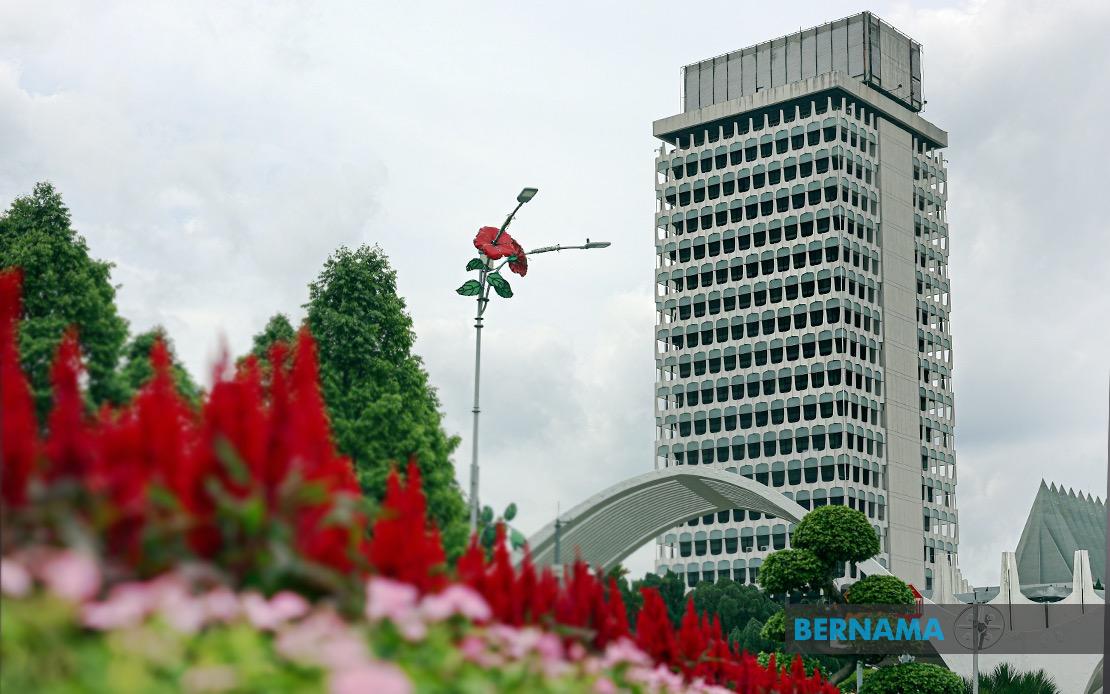
Malaysia's Parliament is set to grapple with two pressing economic and infrastructure challenges today, as legislators demand government responses on widespread internet connectivity problems and the mounting fiscal burden created by global fuel price volatility tied to Middle East tensions. The dual focus reflects growing public frustration with service delivery while highlighting how international geopolitical events increasingly strain Putrajaya's ability to maintain affordable energy prices for citizens.
The connectivity crisis has emerged as a significant frustration for Malaysian users nationwide. Datuk Anyi Ngau from GPS-Baram will press the Communications Minister on a puzzling technical phenomenon: mobile devices displaying full signal strength yet unable to access internet services. This apparent paradox—where connectivity indicators suggest adequate coverage but users experience blackouts—points to infrastructure bottlenecks or network configuration issues that the Malaysian Communications and Multimedia Commission must resolve comprehensively. Such disruptions carry real consequences for business continuity, emergency services, and digital economy participation across the nation.
The question reflects mounting public complaints about inconsistent service quality despite Malaysia's investment in mobile network expansion. While telecommunications companies report robust coverage maps, ground-level user experience frequently diverges sharply from advertised performance standards. The MCMC's response will signal whether regulators intend to strengthen enforcement mechanisms against providers or whether deeper infrastructure investment is necessary to eliminate these dead zones and phantom signal problems.
On the fiscal front, Mohd Syahir Che Sulaiman from PN-Bachok will interrogate government calculations regarding fuel subsidy exposure. Malaysia's fuel pricing structure, which partially shields consumers from international market fluctuations, becomes increasingly vulnerable during periods of geopolitical instability affecting Middle East oil supplies. Recent tensions have already demonstrated how quickly regional conflicts can spike petroleum costs, creating budgetary pressures that cascade through government accounts.
The Finance Ministry faces mounting pressure to demonstrate whether subsidy expenditure trajectory remains compatible with this year's fiscal deficit targets. Malaysia has committed to specific deficit reduction goals that underpin broader economic credibility and affect borrowing costs. If fuel subsidies consume larger portions of government revenue than anticipated, meeting deficit targets may require either cutting spending elsewhere, raising taxes, or adjusting subsidy mechanisms—all politically sensitive choices affecting household purchasing power and business competitiveness.
The government's vulnerability to oil price shocks illustrates why many economists advocate gradual subsidy rationalization, though such reforms inevitably encounter public resistance and inflation concerns. Malaysian policymakers must navigate the tension between short-term price stability and long-term fiscal sustainability, particularly given that energy costs permeate throughout the economy, influencing transportation, manufacturing, and consumer goods pricing.
Laymakers are also addressing economic inclusion issues affecting Malaysia's growing informal workforce. Jamaludin Yahya from PN-Pasir Salak will ask the Finance Minister how self-employed individuals, small traders, hawkers, and gig workers can access home financing without traditional salary documentation. This question highlights a critical gap in financial inclusion: millions of Malaysians generate legitimate income through informal channels yet remain locked out of property ownership pathways requiring conventional employment proof.
As the gig economy expands and self-employment grows, financial institutions face pressure to develop alternative credit assessment methodologies. Some Southeast Asian fintech companies have pioneered transaction-based lending models using mobile money records and business platform data, yet Malaysian banks remain largely dependent on salary slip verification. Addressing this financing gap could unlock significant economic activity, enabling productive workers to build assets while sustaining consumer spending that drives growth.
Parliament will also examine governance frameworks around women's health and safety. Yeo Bee Yin from PH-Puchong seeks clarification on whether the government stands ready to establish comprehensive regulatory oversight of confinement centres—specialized facilities where mothers undergo postpartum recovery using traditional practices. This question reflects concerns about quality standards, hygiene protocols, and consumer protection in an expanding private sector operating with limited oversight. Developing a coherent national regulatory framework would protect vulnerable consumers while allowing legitimate traditional wellness services to flourish within clear operational boundaries.
Following the question-and-answer session, Parliament will proceed toward second reading of two significant telecommunications legislation packages: the Communications and Multimedia (Amendment) Bill 2026 and the Malaysian Communications and Multimedia Commission (Amendment) Bill 2026. These bills, initially tabled for first reading on July 13, represent an attempt to modernize Malaysia's digital governance framework, potentially addressing regulatory gaps that the internet connectivity crisis has exposed.
The timing of these legislative initiatives against today's parliamentary focus creates logical coherence—lawmakers are simultaneously identifying practical service failures and advancing statutory tools to prevent recurrence. Whether the amendments adequately empower regulators to enforce service standards or mandate infrastructure investment remains to be assessed as debate proceeds. The current parliamentary session continues through July 16, allowing multiple opportunities for scrutiny of government responses and legislative refinement before votes occur.
These parliamentary interventions collectively demonstrate legislators' awareness that Malaysia's economic competitiveness depends on reliable infrastructure, fiscal stability, and inclusive financial access. From internet connectivity affecting business operations to fuel subsidies influencing production costs to home financing enabling workforce productivity, each issue represents interconnected dimensions of national economic resilience. How effectively government responds to these parliamentary challenges will significantly influence Malaysia's ability to sustain growth while managing external shocks and ensuring opportunity across society.

